What Is the Flower Language of Gardenia? A Detailed Explanation of Gardenia's Symbolism and Meaning
The gardenia has luxuriant branches and leaves, foliage that stays evergreen all year round, and fragrant, elegantly simple flowers, making it an important ornamental plant for courtyards. So what is the flower language of the gardenia? And how should gardenias be grown? Let's take a look together.
What Is the Flower Language of Gardenia?
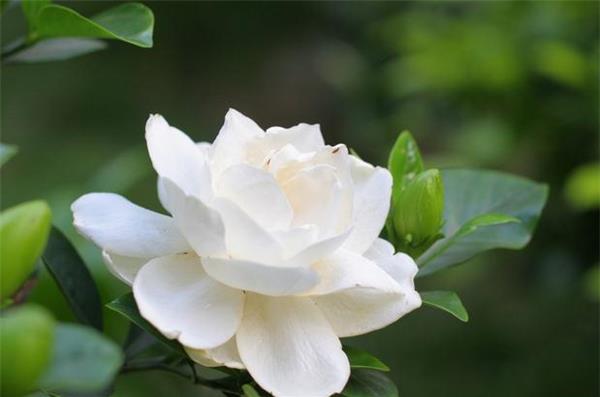
The flower language of the gardenia is joy, just as the vibrant summer is full of unknown hope and joy. There is also an interpretation that the flower language of the gardenia is eternal love and promises. A very beautiful sentiment. The gist is that this flower begins to form its buds in winter and does not bloom until close to the summer solstice; the longer the budding period, the more enduring its delicate fragrance. The leaves of the gardenia tree also stay green and unfading through years of wind, frost, snow and rain. Thus, although its blooming may seem casual, it has actually undergone long effort and perseverance. Perhaps the gardenia's growth habits make it even more suited to this flower language. It is not only an expression of love; beneath its plain, enduring, warm and refined appearance lies the essence of a beautiful, resilient and mellow life.
The Uses of Gardenia
1. Ornamental
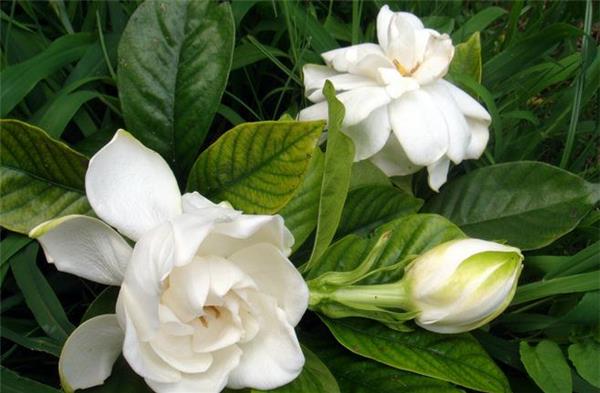
The gardenia has luxuriant branches and leaves, with foliage that stays evergreen through all four seasons and fragrant, elegantly simple flowers. With green leaves and white blossoms, it is especially clear, beautiful and lovely, making it an excellent landscaping material for courtyards. It is suitable for placement in front of steps, beside ponds and along roadsides, and can also be used as a flower hedge, in pots, or as a bonsai for viewing, offering fairly high ornamental value.
2. Beautifying the Home
Used in the home, the gardenia is absolutely an excellent accent. Placing a gardenia beside the television at home beautifies the indoor space and absorbs harmful indoor radiation, while also giving off a delicate fragrance from time to time, covering up originally plain or even unpleasant odors, exchanging the air in the space, and filling the whole home with poetic charm.
3. Purifying the Air
The gardenia is resistant to sulfur dioxide and can absorb sulfur to purify the atmosphere. 0.5 kg of leaves can absorb 0.002 to 0.005 kg of sulfur. Grown in the home, the air becomes much fresher and more comfortable.
4. Edible Uses
The gardenia has very high medicinal value, and it is also edible. The main ways to eat gardenia include: cold-tossed gardenia, gardenia egg drop soup, stir-fried gardenia with small bamboo shoots, fresh gardenia soup, flower tea, preserved candied fruit, deep-fried, gardenia honey soup, stir-fried gardenia with Chinese chives, and so on.
How to Grow Gardenia
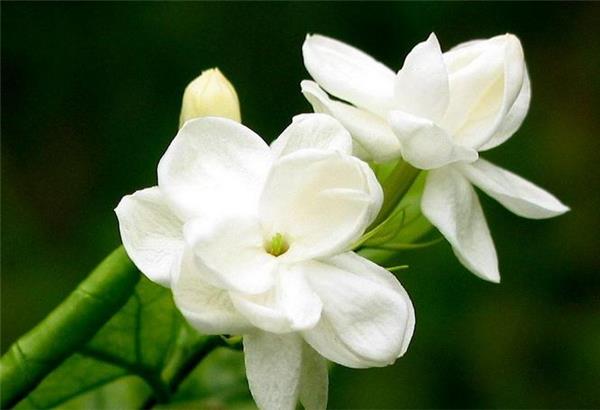
First, grow it in acidic soil. The gardenia needs diffused light, so it likes acidic soil. If the soil is alkaline, the gardenia will not be able to absorb iron well, which greatly affects the formation of chlorophyll and further causes the flowering branches to wither and even die. Therefore, its soil must be loose, fertile, acidic soil, and some substances with this effect can also be added to it.
Second, place it in a shady spot. The gardenia must never be placed in the blazing sun, otherwise the leaves will turn yellow and withered. But this does not mean it should be placed in full shade, because it has a certain need for light. It is best to place it where it can maintain 60% light each day. In addition, after entering April, fertilize twice a month.
Third, air humidity. The gardenia likes moisture, so the air must not be too dry. According to expert statistics, if the air humidity is below 70%, it will affect the normal opening of the flowers, but if it is too wet, it will cause root and stem rot and yellowing leaves. So besides normal watering, water should also be sprayed frequently nearby.
Fourth, key points for fertilizing. The gardenia likes fertilizer, but too much fertilizer must not be added all at once. Be sure to fertilize lightly and often, and never cut corners, otherwise the branches will become thick, the leaves large and dark green, and it will lose its own ornamental effect.
Fifth, temperature requirements. The gardenia's growing temperature must not be too low, because it likes warmth. Generally speaking, the ideal temperature during the growing season is 18 to 22 degrees, and 5 to 10 degrees in winter. If it drops below minus 10 degrees, it will suffer frost damage, and northern regions should pay special attention to this.
Sixth, proper pruning. The gardenia grows very easily into a dense mass of branches and leaves, creating an airtight and chaotic feeling. This causes nutrients to be dispersed and reduces its ornamental quality, so it needs to be pruned. When pruning, it is best to retain 3 main branches, and remove newly sprouted shoots from root suckers at any time. After the flowers fade, the branches should be cut back promptly, so that new shoots will sprout below the cut. When the new shoots grow three nodes, they should be pinched back to prevent blind growth.
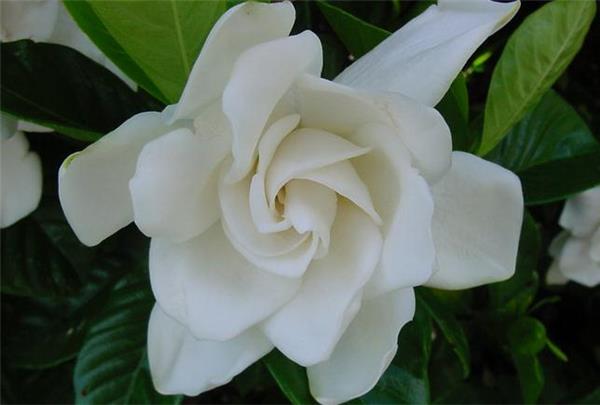
That is all for the introduction to the flower language of the gardenia. I believe that after reading this, everyone will have a further understanding of the gardenia. If any friends want to grow gardenias, you can refer to the relevant points I have introduced for you.
I believe that after reading this, everyone will have a further understanding of the gardenia. If any friends want to grow gardenias, you can refer to the relevant points I have introduced for you.