How to grow butterfly ginger? A guide to the correct cultivation methods
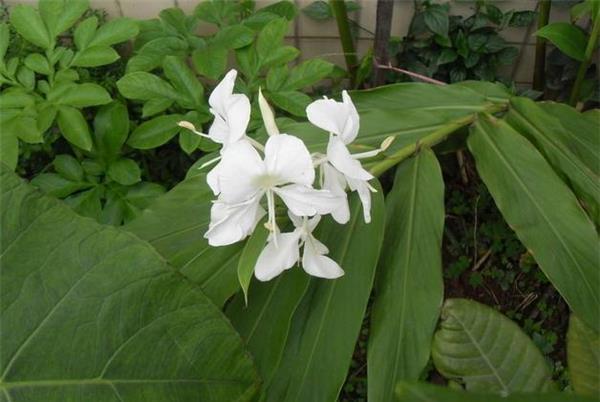
Butterfly ginger is a very beautiful flowering plant, with pure white flowers that look like butterflies. So how much do you know about how to grow butterfly ginger? Some people may not be especially familiar with it, so today I will give a brief introduction so we can learn about it together.
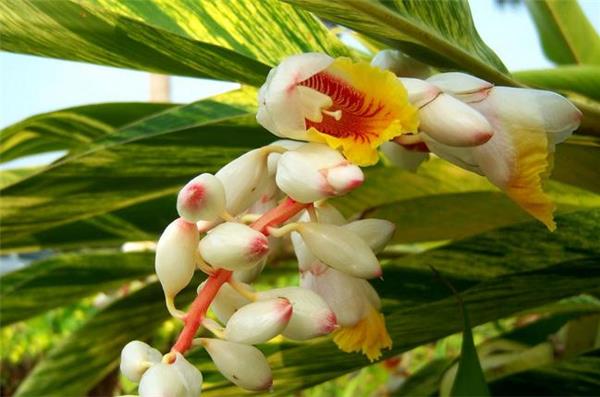
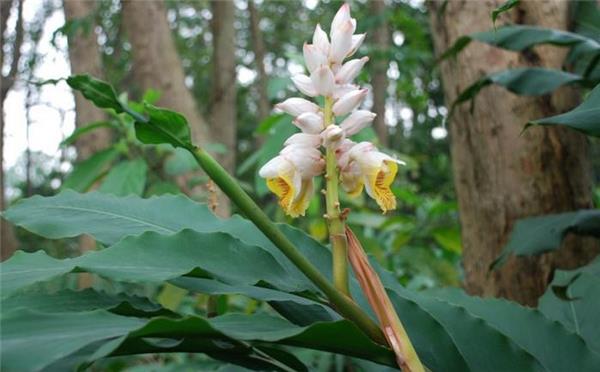
What is butterfly ginger
Butterfly ginger is a freshwater herbaceous plant, fairly tall, generally 1-2 m, with fresh and graceful flowers. It has the reputation of being a natural air freshener. Its color is smooth and lustrous, and it can be grown in pots indoors for decoration, while it can also be planted in courtyards for enjoyment. It is a very popular ornamental plant.
Butterfly ginger originated in tropical Asia, but it is now widely planted around the world. It also has other names such as butterfly ginger, wild ginger lily, and white butterfly flower. When its flowers open they are rather fresh and graceful, and the scent of the flowers is sweet and fragrant. It can be placed indoors to purify the air.
How to grow butterfly ginger
Growth habits: Butterfly ginger by nature prefers high temperatures and high humidity, and is not cold-tolerant.
Propagation methods: Its propagation methods are divided into sexual reproduction and asexual reproduction, and division propagation can also be chosen. As long as butterfly ginger is in an area where it can safely overwinter outdoors, it can be propagated in all four seasons. If division propagation is used, it can generally be planted in February or March of the same year, and it can bloom that same year.
Temperature: Butterfly ginger likes to live in environments with high temperatures and high humidity. Generally, only when the winter temperature is kept above 10°C can it survive well.
Soil: A fertile sandy soil with good looseness and drainage can be chosen.
Water: Butterfly ginger is not drought-tolerant, so in summer sufficient humidity must be maintained in the air, and the soil must be kept moist.
Sunlight: Butterfly ginger likes sunlight fairly much. During its growth period, sufficient light duration can be maintained, so that butterfly ginger can grow better.
Fertilizing: When planting butterfly ginger, sufficient base fertilizer is needed. Generally, some organic fertilizer, biological bacterial fertilizer, phosphate fertilizer and other fertilizers can be chosen as base fertilizer. When it enters the growth period, topdressing can be done appropriately, generally once every 10 days until the flower buds are about to bloom. At the same time, foliar fertilizer can be sprayed on cloudy days or in the evening.
The main pests and diseases of butterfly ginger are anthracnose, which harms stems and leaves. In the early stage of the disease, spray 50% carbendazim wettable powder at 500 times dilution, once every ten days.
The uses of butterfly ginger
1. Ornamental use: The flower color of butterfly ginger is white and very fragrant. It can be used as a potted plant or cut flower, and can also be planted in courtyards. When butterfly ginger blooms, it looks like a group of beautiful butterflies dancing gracefully. When there are no flowers, the leaves are also lush and full of green, with extremely high ornamental value.
2. Air purification: Butterfly ginger itself is a green plant. When it performs photosynthesis, it can effectively absorb harmful substances in the air. And when it blooms, its flowers are fragrant and mellow, and can effectively purify indoor air, which is why it has the title of natural air freshener.
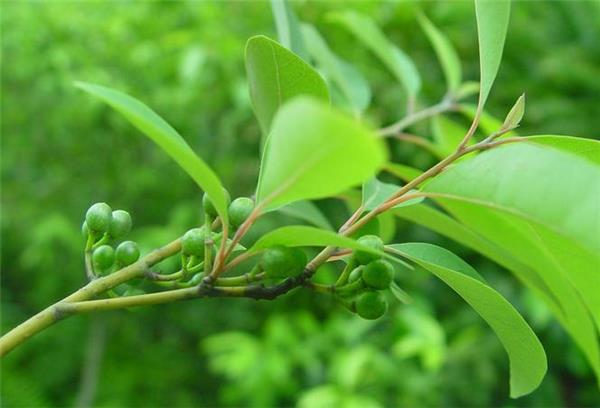
3. Medicinal value: The rhizomes and fruits of butterfly ginger can both be used as medicine. The medicine is very mild and has effects such as strengthening the stomach, warming the meridians and relieving pain, dispelling wind and dispersing cold, and dispersing cold. Its rhizome mainly treats wind-cold exterior syndrome, externally contracted headache, rheumatic pain, traumatic injury, wind-warm arthralgia, body pain, and cold pain in the epigastrium and abdomen. Its fruit is pungent in taste and warm in nature, and has effects such as strengthening the middle and stomach, relieving the exterior and inducing sweating, warming the middle and dispersing cold, and relieving pain. Folk tradition in Taiwan, China says that the rhizome of butterfly ginger has effects such as dispersing cold, eliminating wind, treating headache, and traumatic injury, while the flowers can treat insomnia.
Of course, although butterfly ginger has high medicinal value, pregnant women and those with blood deficiency, qi stagnation, and blood stasis should use it with caution. At the same time, the general public should use it according to a doctor's prescription, and must not use it with random dosage, so as to avoid causing physical discomfort.
That is all for the introduction to butterfly ginger cultivation methods. I believe that after reading this, everyone has gained some understanding of butterfly ginger. I hope the relevant knowledge introduced today can be of some help to everyone.