What are the benefits and effects of Acorus gramineus? A full rundown in one article
Acorus gramineus (stone acorus) is a fairly common ground-cover plant in daily life, with strong vitality, able to adapt to moist, shaded environments. So what are the benefits and effects of Acorus gramineus? Let us take a look together.
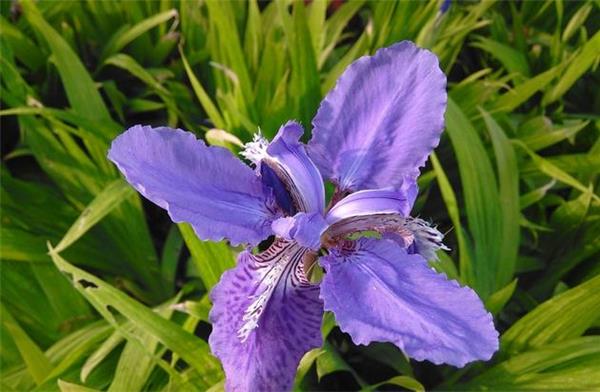
What is Acorus gramineus
Acorus gramineus belongs to the genus Acorus in the family Araceae, also known as stinking acorus, water acorus, mud acorus, large-leaf acorus, and white acorus. It is a perennial aquatic herbaceous plant. The whole plant is toxic, with the rhizome being more toxic; when a large amount is taken orally, it produces strong visual hallucinations.
There are three plants that can all be called acorus, namely Anemone altaica (jointed acorus), Acorus gramineus (stone acorus) and Acorus calamus (water acorus), which come from different plants and have different functions and indications. For example, the benefits and effects of Anemone altaica: it is warm in nature and pungent in taste, and its main effects are opening the orifices and transforming phlegm, awakening the spleen and calming the spirit. Acorus gramineus is warm in nature and pungent and bitter in taste, and its main effects are transforming dampness and opening the appetite, opening the orifices and clearing phlegm, and awakening the spirit and boosting the intellect. Acorus calamus is pungent, warm and bitter in taste, and its main effects are transforming phlegm and opening the orifices, and strengthening the spleen and draining dampness.
The benefits and effects of Acorus gramineus
1. Calming the spirit and settling the nerves, treating insomnia. Acorus gramineus has an inhibitory effect on the human central nervous system, and can sedate, calm the spirit and induce sleep, with a certain sedative and hypnotic effect on psychiatric patients; it also has the effect of aromatically transforming turbidity and dispelling phlegm-dampness, and has a marked therapeutic effect on insomnia caused by internal disturbance of phlegm-heat.
2. Regulating qi and invigorating blood, treating joint pain. Acorus gramineus is pungent in taste, and can regulate qi and invigorate blood, dispel wind and diffuse dampness; it is often used to treat wind-dampness obstruction, joint pain, and swelling and pain from traumatic injuries. Clinically, fresh Acorus gramineus, ginger and gardenia are often pounded together and applied locally to the painful area to reduce swelling and relieve pain; if the pounded medicine is mixed with an appropriate amount of baijiu, stir-fried until hot in a pan and then applied to the painful area, the effect is even better.

3. Awakening the spleen and harmonizing the stomach, treating dampness encumbering the spleen and stomach. Acorus gramineus contains volatile oil and has an aromatic odor, which can effectively promote the secretion of digestive juices and inhibit abnormal fermentation in the gastrointestinal tract, so it can awaken the spleen, harmonize the stomach and aid digestion, and can treat dampness encumbering the spleen and stomach. In clinical experiments, Acorus gramineus, turmeric and ageratum are often used in combination to awaken the spleen and harmonize the stomach, with marked results.
4. Clearing phlegm and opening the orifices, treating epilepsy. Acorus gramineus has a pleasant aromatic odor, can transform damp turbidity, and has the effect of clearing phlegm and opening the orifices; it is suitable for conditions such as clouded consciousness, deafness and blurred vision, and mental dullness caused by phlegm-dampness clouding the orifices and clear yang failing to rise. Acorus gramineus has a fairly good therapeutic effect on epilepsy.
5. Aromatically repelling turbidity, preventing disease. Acorus gramineus has an aromatic odor, can repel foulness and transform turbidity, and has the effect of detoxifying and driving away evil; since ancient times it has been a common good medicine used by working people to prevent disease. In ancient times, on every Dragon Boat Festival there was the custom of hanging fresh Acorus gramineus and fresh mugwort leaves on doors and windows as a way to prevent plagues, all of which stems from the effects of Acorus gramineus in aromatically repelling turbidity and detoxifying and driving away evil.
6. Acorus gramineus has high medicinal value, but it also has a certain ornamental value. Its leaf clusters are emerald green, dignified and elegant, with a pleasant fragrance, very suitable for waterside planting and water body landscaping; it is a commonly used aquatic plant in modern landscape greening, with quite wide application. Moreover, Acorus gramineus can also be used as cut-flower material, and by making use of its aromatic properties it can also be made into spices or used to repel mosquitoes, with very good results.

How to consume Acorus gramineus
Materials: 30 grams of Acorus gramineus, 1 pig heart.
Method: Slice the pig heart and wash it clean; add an appropriate amount of water to a pot, put the sliced pig heart and Acorus gramineus into a stewing cup and stew thoroughly over water, then add refined salt to season, drink the soup and eat the pig heart.
Effects: The pig heart has the effect of calming the spirit and settling the mind, and combined with the effects of Acorus gramineus, this soup is very suitable for people with schizophrenia who show emotional apathy, stare blankly as if dull-witted, and giggle and talk to themselves, with an excellent therapeutic effect.

That is all for the related introduction to the benefits and effects of Acorus gramineus. I believe that after reading it, everyone has gained some understanding of the benefits and effects of Acorus gramineus. I hope the related content introduced today can be of some help to everyone.