How should Scirpus tabernaemontani be cultivated? A detailed guide to cultivation methods
Scirpus tabernaemontani is a plant species in the genus Scirpus of the Cyperaceae family. It looks very much like the edible Welsh onion, but it is not edible. Some friends may not yet be especially familiar with Scirpus tabernaemontani, so today I will give you a brief introduction. Let us take a look together.
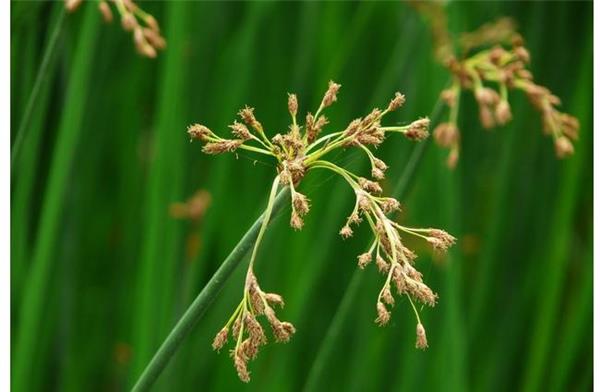
What is Scirpus tabernaemontani
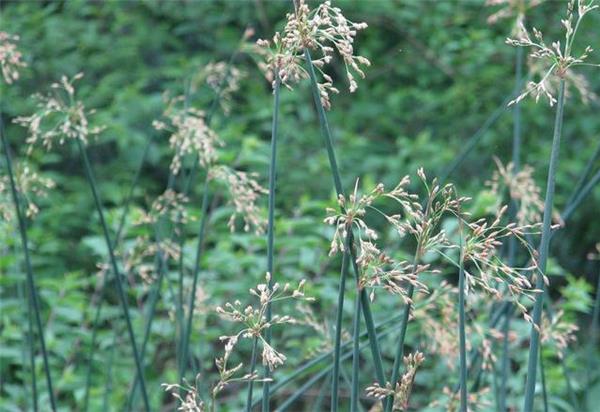
Scirpus tabernaemontani is a perennial rhizomatous emergent herbaceous plant of the Cyperaceae family. The plant height is 1-2 m, and the stems are tall, straight and hollow, very much like the edible Welsh onion, but it is not edible. It often grows by lakesides, watersides, shallow ponds, marshy land or in damp grassy areas. The above-ground parts of Scirpus tabernaemontani can all be used as medicine, and it has the effect of promoting diuresis and reducing swelling.
What are the effects of Scirpus tabernaemontani
1. The clumps of Scirpus tabernaemontani stand upright, and the color is beautiful and unusual, elegant and free-flowing, with ornamental value even greater than that of the green-leaf Scirpus tabernaemontani. It is most suitable for lake and pond waterscape features. The variegated Scirpus tabernaemontani is not only a first-rate waterscape flower, but can also be grown in pots for viewing. Cut stems can be used as material for flower arranging.
2. Scirpus tabernaemontani not only has a good ornamental effect, but can also purify the water environment. It can absorb nutrient elements such as nitrogen and phosphorus from the mud at the bottom of the water, improve the eutrophication of the water, and thereby achieve the effect of purifying the water body.
3. Scirpus tabernaemontani also has a certain medicinal value. Its stems can be used as medicine, with the effects of removing dampness, promoting diuresis and eliminating edema. In addition, the stems of Scirpus tabernaemontani can be used as textile material or as raw material for papermaking.
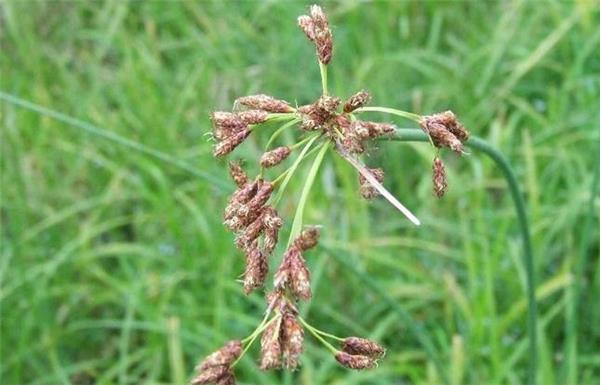
Cultivation methods for Scirpus tabernaemontani
1. Sowing and raising seedlings
Scirpus tabernaemontani should not be grown continuously on the same land. The sowing time is February, and it is generally sown by broadcasting. The optimum germination temperature for Scirpus tabernaemontani seeds is about 18°C, and seedlings emerge 5-6 days after sowing. Before the cotyledons straighten, do not water, so as to avoid causing the surface soil to crust. After Qingming, the seedlings begin to grow, and fertilizer and water management should be strengthened to promote growth. The seedling stage lasts 50-100 days.
2. Planting out and spacing between plants and rows
Scirpus tabernaemontani can be transplanted and planted out in April-May. For ease of management, it is best to plant Scirpus tabernaemontani in graded groups.
3. Reasonable intercropping and field management
After planting out, reasonable intercropping can be carried out. This not only saves seedling land and increases yield, but also reduces the impact of heavy rain, prevents the loss of fertile soil, plays a role in preserving moisture and lowering temperature during high-temperature periods, and promotes the normal growth of crops with one another in adverse environments.
4. Cultivation management of Scirpus tabernaemontani
Scirpus tabernaemontani prefers a relatively dry air environment. If rainy days last too long, it is susceptible to infection by pathogens. It is afraid of being rained on, so keep the leaves dry at night. The optimum relative air humidity is 40-60%.
Scirpus tabernaemontani prefers a cool climate, is averse to intense heat, and is tolerant of frost and cold. It is not very demanding about winter temperatures; as long as it is not exposed to frost, it can overwinter safely. It dies when the temperature rises above 30°C in late spring and early summer, and the most suitable growth temperature is 15-25°C. Choose to sow in autumn and winter as much as possible to avoid high summer temperatures.
When cultivating Scirpus tabernaemontani, be sure to ensure sufficient light, and pay attention to shading in summer. In addition, Scirpus tabernaemontani has relatively high fertilizer and water requirements. Fertilization should follow the principle of "apply light fertilizer frequently, use small amounts but more often, and provide complete nutrition", and watering should follow the principle of "alternate dry and wet, dry means thoroughly dry, do not water if not dry, and water thoroughly when watering". In winter cultivation, pay attention to controlling water and fertilizer.
5. Off-season growth of Scirpus tabernaemontani
The stems of Scirpus tabernaemontani are a commonly used material in flower arranging works. In order to meet people's needs for flower arranging, Scirpus tabernaemontani is often cultivated to grow off-season. At this time, the following points should be noted when cultivating Scirpus tabernaemontani: control the growth temperature of Scirpus tabernaemontani so that it is first low and then high, do not water too much, ensure that Scirpus tabernaemontani can receive about 4 hours of light every day, and also apply appropriate fertilizer to it.
That is all for the related introduction to Scirpus tabernaemontani. I believe that after reading this, everyone has gained some understanding of Scirpus tabernaemontani. If you like this plant very much, you can also try growing it yourself.