Daily care methods and precautions for asparagus
Asparagus, commonly known locally as "shan baomi", is a perennial plant of the Liliaceae family. Let us now take a detailed look at this plant!
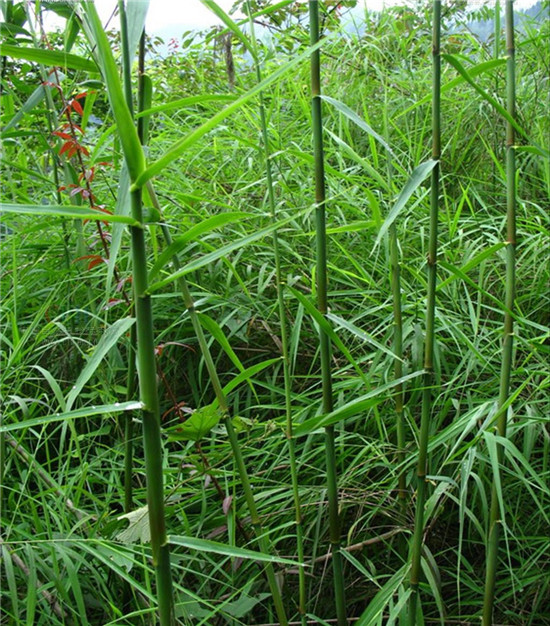
The young stems of asparagus turn green after emerging from the soil and being exposed to light, and are called green asparagus, mainly for fresh consumption; when earthed up and blanched, they turn white and are called white asparagus, mostly used as raw material for canned food. Asparagus contains protein, fat, calcium, iron and various vitamins. It is a valuable vegetable with a delicious taste and rich nutrition, and also has relatively high medicinal value: it can lower blood pressure, prevent and treat diseases of the cardiovascular, urinary and lymphatic systems, and has a unique anti-cancer effect. It is a world-famous delicacy and medicine, and its products sell well at home and abroad.
Asparagus is easy to cultivate and convenient to manage. At the same time, asparagus can be harvested continuously for 10-15 years after a single planting. It grows all year round in the south, and enters dormancy in winter in northern regions. It will continue to grow in the second year. Asparagus has strong adaptability, is easy to cultivate, and has no strict temperature requirements: in winter the underground part can withstand low temperatures of -20°C in the soil, and during the growing period it can withstand high temperatures of 35-37°C. In cultivation it also has the advantages of requiring little labor, being convenient to manage, and having high yields.
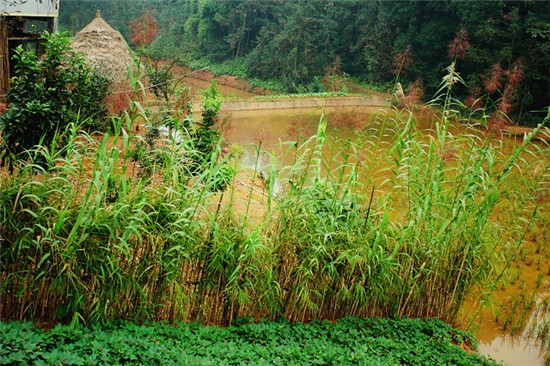
Asparagus has strong adaptability to temperature; it is both cold-resistant and heat-resistant, and can be cultivated from the subarctic zone to the subtropical zone. However, it is most suitable for cultivation in temperate zones with four distinct seasons and a pleasant climate. In high-cold regions, where the temperature is -33°C and the frozen soil layer reaches a thickness of 1 m, it can still overwinter safely; the yield is low, but the quality is relatively good. The initial germination temperature of asparagus seeds is 5°C, and the optimum temperature is 25-30°C; above 30°C, the germination rate and germination vigor decline markedly. Propagation by seed can allow continuous growth for more than 10 years. In cold winter regions the aboveground part withers, and the rhizome and fleshy roots enter a dormant period to overwinter; in warm winter regions, the dormant period is not obvious. During dormancy it is extremely resistant to low temperatures.
When the spring soil temperature rises above 5°C, the scale buds begin to sprout; above 10°C the young stems begin to elongate; 15-17°C is most suitable for the formation of young buds; above 25°C the young buds become thin and weak, the scales open and spread, and the tissue ages; at 30°C the young buds elongate fastest; at 35-37°C plant growth is inhibited, and they may even wither and enter summer dormancy. The suitable temperature for asparagus photosynthesis is 15-20°C. If the temperature is too high, the photosynthetic intensity is greatly weakened, respiration is strengthened, and photosynthetic productivity is reduced.
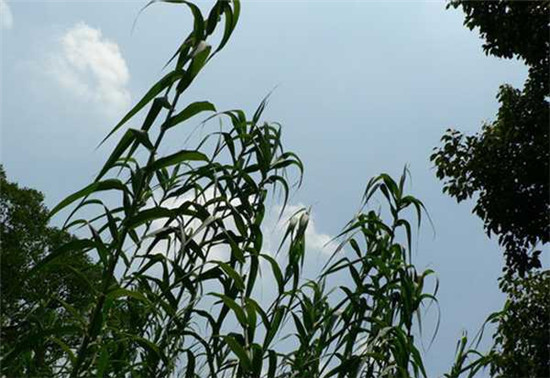
Asparagus sprouts new stems 2-3 times or more each year. Generally, the young stems sprouted in spring are used for consumption, and their growth depends on the nutrients stored in the roots from the previous year. The growth of young stems and the formation of yield are positively correlated with the number of mature stems and the degree of luxuriance of branches and leaves in the previous year. As the plant ages, the number of young stems produced and the yield increase year by year. As the rhizome continuously sends out branches, the clump tends to decline in development, the aboveground stems become increasingly thin and small, and the yield and quality of young stems gradually decline. Generally, the full production period is 4-10 years after planting.
[Scientific fertilization]
Skillfully apply bud-promoting fertilizer: all the organic fertilizer can be applied heavily at one time, or 80% of the total amount can be applied. For a plot with an annual yield of 1000 kg of asparagus per mu, 50 kg of Genliduo (CL) 25-5-15 asparagus special fertilizer is needed. Combined with spring loosening of the soil in the asparagus field, open a 10 cm ditch 30-40 cm from the edge of the plant rows, apply the fertilizer into it, cover with soil and level it off.
Supplementary relay fertilizer: during the 4-month harvest period of asparagus, relay fertilizer must be applied several times. In the early harvest period the temperature is low, so it can be applied to the soil in trenches; as the temperature rises, it can be applied by flushing combined with irrigation, using water to regulate the fertilizer. It is recommended to apply 150 kg per mu of Genliduo (CL) 25-5-15 asparagus special fertilizer, and in the later period flush with "Zhang De Hao" asparagus special water-soluble fertilizer.
Heavily apply autumn-growth fertilizer: after the asparagus harvest ends and the stems are turned and the plants are retained, autumn-growth fertilizer should be applied heavily. In the central and southern Hebei region, this is generally from late August to early September. Open trenches per mu and apply 70 kg of Genliduo (CL) 22-10-10 asparagus special fertilizer, and at the same time apply the remaining organic fertilizer.
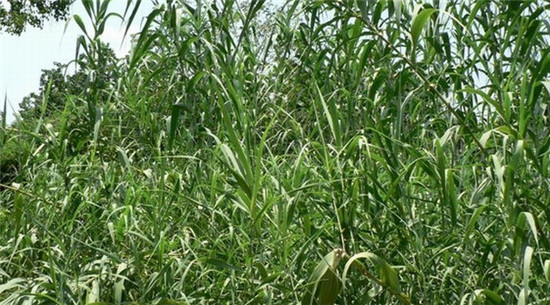
[Pest and disease control]
The main disease is asparagus stem blight. To date there is still no method to cure this disease; it can only be prevented.
Soil disinfection: use 2 kg of 50% thiram powder, mix with 50 kg of fine soil, and combine with phoxim granules or chlorpyrifos granules for killing underground pests, applying them all at once when preparing the land. It can also be applied in trenches or holes.
Thoroughly clean the field: remove the stems and branches of the aboveground part of the asparagus field from the field and carry out harmless treatment. Cleaning the field in winter and spring is just as important as cleaning the field when turning stems in autumn.
Chemical root irrigation: 300-fold dilution of 45% Shenaning can be used for root irrigation.
The above is the entire content of the daily care for asparagus that I have summarized for you. I hope this article can help everyone. Please also continue to follow us.