What are the effects and benefits of Monochoria vaginalis? A comprehensive analysis
Monochoria vaginalis is a plant of the family Pontederiaceae, Monochoria vaginalis, distributed throughout the Yangtze River basin and areas to its south. Next let us take a look at all the benefits of Monochoria vaginalis.
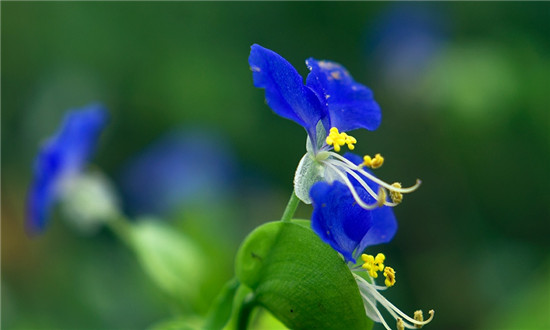
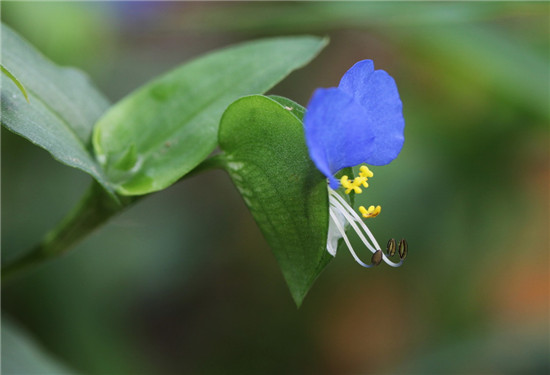
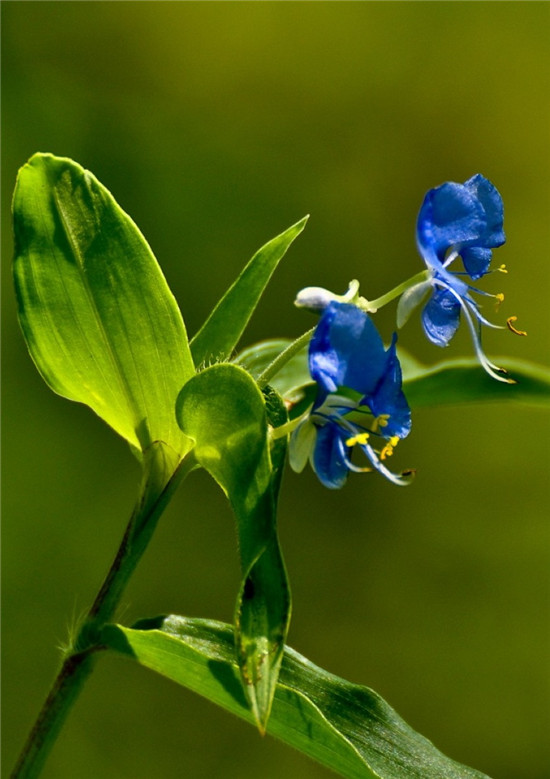
The rhizome of Monochoria vaginalis is extremely short, with soft fibrous roots. The stem is erect or ascending, 12-35 cm tall. The whole plant is smooth and hairless; the leaves are basal or cauline, and the leaf blade varies greatly in shape and size, ranging from cordate, broadly ovate, and long ovate to lanceolate, 2-7 cm long and 0.8-5 cm wide, with a short abruptly pointed or gradually pointed tip, a rounded or shallowly cordate base, an entire margin, and arcuate veins.
The petiole is 10-20 cm long, and its base expands into a split sheath. The sheath is 2-4 cm long, with a ligulate body at the tip, about 0.7-1 cm long. The raceme emerges from the middle of the petiole. At this point the petiole expands into a sheath-like form. The peduncle is short, 1-1.5 cm long, with 1 lanceolate bract at the base.
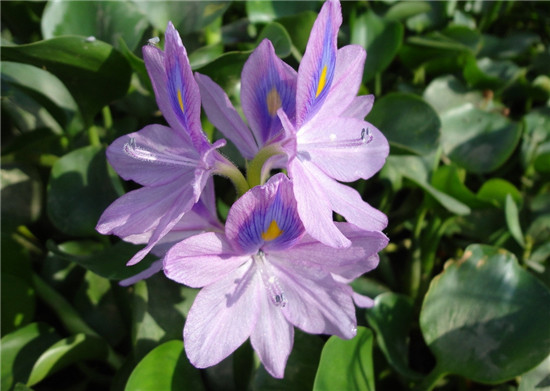
The inflorescence is erect during the flowering period and droops during the fruiting period; the flowers are usually 3-5 (rarely more than 10), or sometimes 1-3, and blue. The tepals are ovate-lanceolate or oblong, 1-1.5 cm long; the pedicel reaches 1 cm long; there are 6 stamens. The capsule is ovate to oblong, about 1 cm long. The seeds are numerous, about 0.1 cm long, grayish brown, with longitudinal striations.
Dormancy and germination: the seeds have a relatively long dormancy period, and dormancy is broken in early spring. The starting temperature for seed germination is 13-15°C, slightly higher than that of barnyardgrass; alternating temperatures favor germination, with the optimum temperature being 20-25°C, and germination is inhibited above 30°C. Monochoria vaginalis is a typical aquatic weed and can germinate under hypoxia; germination requires relatively high moisture and occurs better under flooded conditions or when soil moisture is supersaturated, while germination is slower under moist conditions, but when the water layer exceeds 1 cm, germination slows again.
Content: Each 100 g of fresh Monochoria vaginalis contains 97 g water, 0.6 g protein, 0.1 g fat, 0.6 g fiber, 40 mg calcium, 80 mg phosphorus, and also contains a variety of vitamins.
Benefits: clears heat; cools the blood; promotes diuresis; clears heat and removes toxins. Treats dysentery, enteritis, acute tonsillitis, gingival abscess, erysipelas, and furuncles.
Indications of Monochoria vaginalis: high fever from common cold; cough and asthma due to lung heat; whooping cough; hemoptysis; hematemesis; abnormal uterine bleeding; hematuria; heat strangury; dysentery; enteritis; intestinal abscess; erysipelas; sores and swellings; sore and swollen throat; swollen and painful gums; red eyes due to wind-fire; venomous snake bites; poisonous mushroom poisoning.
Usage and dosage: Oral administration: decoct in water 15-30 g (30-60 g of fresh product); or pound to extract juice. External use: appropriate amount, pound and apply.
The above is all the content I have summarized for everyone on all the benefits of Monochoria vaginalis. I hope this article can help everyone. Please also continue to follow us.