The Benefits of Aloe Vera and How to Grow It: How to Care for It So It Thrives
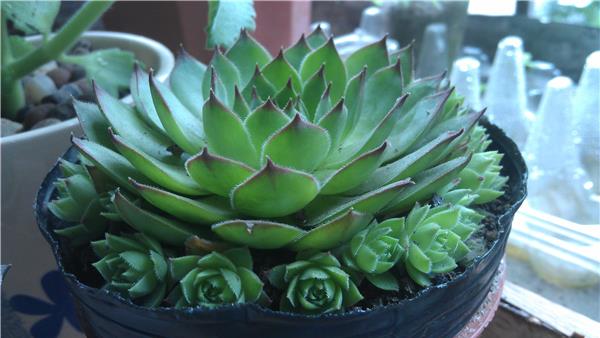
Aloe vera is a houseplant that has gained great fame in recent years. Because of its shape resembling a lotus throne, its succulent texture, and the pleasing purple-red tips of its leaves, its sales have soared. But perhaps many friends do not really understand how to grow aloe vera, nor do they know what its benefits are, and they have heard rumors about whether aloe vera is toxic without knowing if they are true. Now let us answer these one by one.
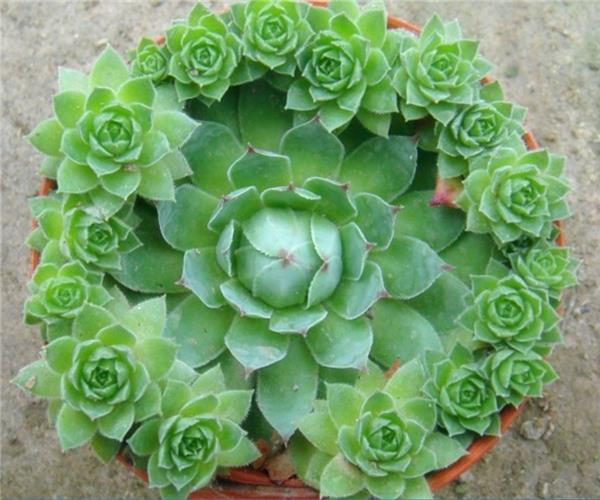
The Benefits of Aloe Vera
Aloe vera has a slight effect on absorbing toxic indoor gases, absorbing dust, killing bacteria, purifying the air, and filtering stale air, and it can slightly increase indoor humidity. To emphasize again, succulent-type aloe vera only has a slight effect on absorbing toxic gases and slightly increasing humidity. In fact, aloe vera can be used as medicine, with effects such as dispelling wind and dampness and relieving pain. Its main uses are treating typhoid diarrhea, rheumatism, rhinitis, and various skin diseases.
For ordinary household growing, it should be noted that it is the Araceae aloe vera (Alocasia) that is toxic, not the Crassulaceae succulent aloe vera. When growing Araceae aloe vera, try to avoid growing it in homes with children, and pay attention during care as well. You must prevent children and uninformed people from accidentally eating it or taking it in through other channels. Once accidentally ingested, in mild cases it causes swelling of the tongue and throat, vomiting and diarrhea; in severe cases it causes suffocation and cardiac paralysis. If poisoning occurs from accidental ingestion, immediately give egg whites, flour paste, plenty of sugar water, or intravenous glucose saline.
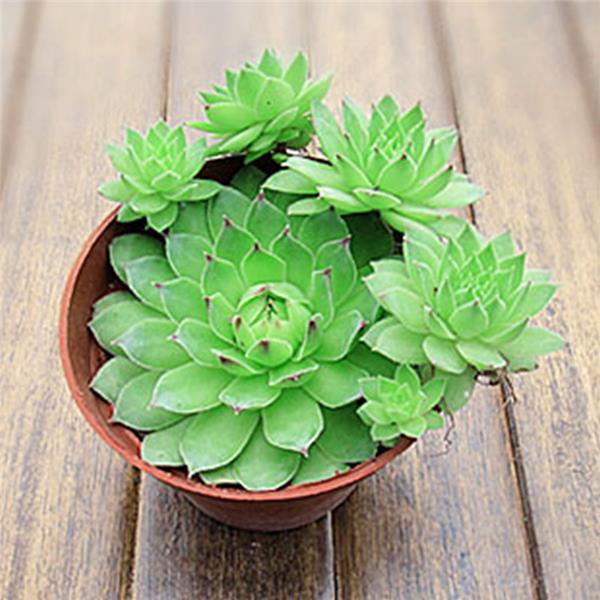
How to Grow Succulent Aloe Vera
1. Aloe Vera Growing Method - Timing
The best planting time is April and May. The temperature should be kept at 20-25°C or above, which is favorable for seedling growth. After planting, water once every 2 to 3 days to keep the soil moist. Do not overwater, to avoid root rot and stem rot. Aloe vera growing methods and precautions: aloe vera is commonly propagated by division. Generally, when temperatures are higher in spring and summer each year, divide the underground tubers where the plants grow densely along the separation points of the tubers, so that each part has 2-3 plants, then plant them separately in pots.
You can also dig out the underground tubers before new buds sprout in spring, cut the tubers into sections and separate them, disinfect and preserve the wounds with plant ash or sulfur powder, let them dry slightly, then wrap them in sphagnum moss, or place them in loose, airy, well-drained soil so they grow adventitious roots and sprout new buds.
2. Aloe Vera Growing Method - Soil:
For potted aloe vera, use loose, well-drained, airy soil rich in humus. Generally, an equal mix of leaf mold, garden soil, and river sand can be used as the growing medium. April to September is its vigorous growth period, when the soil should be moist and the air humidity relatively high, and sufficient water should be given. This plant is easy to grow; ordinary soil can be used for the potting mix. A better mix is garden soil plus one third humus soil, plus one third river sand or coal cinder, mixed with a little bone meal.
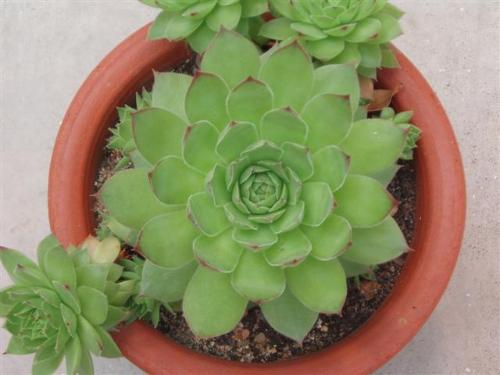
3. Aloe Vera Growing Method - Temperature
The optimum growing temperature is 22-30°C. After November, when the temperature falls below 20°C, the plant grows slowly or stops growing, and the aboveground parts begin to turn yellow, wilt, and wither, entering dormancy in winter. Aloe vera cultivation is extensive and does not have strict requirements for soil, fertilizer, or water. It tolerates barren conditions and drought, and can make full use of various idle hillside lands for planting. If cultivation and management conditions are good, it can achieve consecutive years of high yield.
Do not expose it to blazing sun, to avoid large areas of scorch damage to the plant. Aloe vera growing methods and precautions: the growing temperature is 20-30°C, and it can tolerate a minimum low temperature of 8°C. In summer, when temperatures are high, as long as the soil is kept moist, water is sprayed frequently, and shade is provided, it can still grow normally. In winter, room temperature must not be lower than 5°C. Dieffenbachia (dumb cane) is an understory plant of tropical rainforests, so its growth requires high humidity, and scattered light is best.
4. Aloe Vera Growing Method - Watering
In spring and autumn, water about once every 15 days; in summer, once every four or five days, avoiding the hottest period at noon.
It particularly likes moisture. During the growing season, not only should the potting soil be moist, but the air humidity should also be no lower than 60%. Especially during high-temperature summer periods, leaf water evaporation is high and water demand is greater. If water is lacking, the leaves easily wilt. In high summer temperatures, strengthen water spraying to create a relatively cool and humid environment for it. If placed in an indoor air-conditioned hall, ensure the potting soil is moist and also spray the leaf surfaces from time to time. Therefore, frequently spray water on the leaf surfaces while keeping the environment humid, but you must avoid water accumulation in the pot, otherwise it will cause root rot.
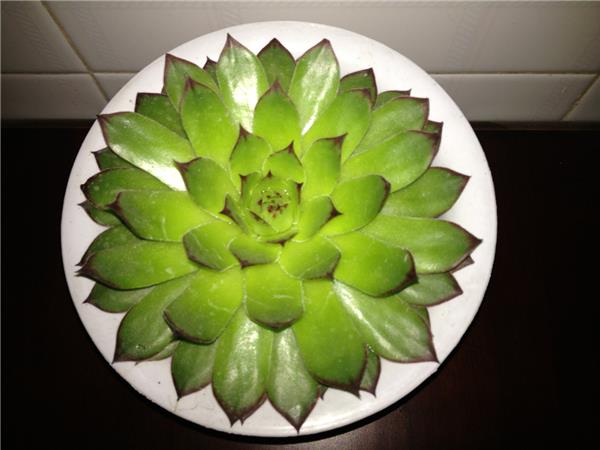
In autumn, when the temperature falls below 15°C, aloe vera growth stalls and enters a dormant state, and the aboveground leaves begin to gradually wither. Aloe vera growing methods and precautions: at this time, minimize watering, place it in a warm, windless, dry place, and keep the potting soil appropriately dry (only slightly moist) to help it overwinter safely. If humidity is high and temperature is low, the tubers rot very easily.
If the winter room temperature cannot reach 15°C, watering should be controlled, otherwise it easily causes root rot in the plant. Generally, spraying once a week with warm water is enough to keep its leaves dark green.
Usually do not water too much, and try to avoid water droplets touching the leaves. Provide plenty of light, and every three or four days turn the pot in another direction so all sides of the rosette can receive light. This will make it grow flat and give the leaves an inviting emerald green color. But do not expose it to blazing sun.
5. Aloe Vera Growing Method - Light
Throughout its growing period, aloe vera requires semi-shaded conditions. If the light is too strong, the leaf color easily becomes dull and sunscald may even occur; but if the light is too weak, it easily becomes leggy, and the plant grows thin and tends to lodge. During the vigorous growth period, apply 1-2 times a month of dilute liquid fertilizer according to the plant's growth, and add phosphorus and potassium fertilizer to help the stems stand upright and grow robustly, while also helping the underground tubers grow plump and resist cold for overwintering.
6. Aloe Vera Growing Method - Pruning
If you want the Dieffenbachia (dumb cane) grown indoors to be small and exquisite, then simply wait until its seedlings grow to about one chi and are suitable for home placement, then immediately spray the whole plant with a 2% paclobutrazol solution. Aloe vera growing methods and precautions: the stems and leaves that grow afterward will be no taller than 40 cm, and the leaves will be thick and fleshy with high ornamental value. Spraying once about every six months can produce a good height-control effect.
For propagation, you can use the small plantlets that grow between the leaves. Once the plantlets have grown a bit larger, cut them off, let the cut dry for 1-2 days, and plant them in soil, where they will grow roots and become new plants. Whether they are new plants or old plants bought without pots, do not water immediately after planting; at most spray a little water on the leaves.
Is Aloe Vera Toxic?
The whole aloe vera plant is toxic, with the greatest toxicity in the stem. If the skin comes into contact with the sap, it causes itching. If it accidentally gets into the eyes, it can cause blindness. If accidentally swallowed, it causes itching, swelling, and pain in the throat and tongue, nausea, and vomiting, and in the most severe cases, it can lead to cardiac paralysis and then death. So be extra careful when growing it.
When learning about matters related to aloe vera, you must first distinguish which type of aloe vera it is. Overall, succulent aloe vera is still very easy to grow, and arranging them in a row as a combined planting to decorate an indoor environment has a very good effect. It is worth having.
In autumn, when the temperature falls below 15°C, aloe vera growth stalls and enters a dormant state, and the aboveground leaves begin to gradually wither. Aloe vera growing methods and precautions: at this time, minimize watering, place it in a warm, windless, dry place, and keep the potting soil appropriately dry (only slightly moist) to help it overwinter safely. If humidity is high and temperature is low, the tubers rot very easily.
If the winter room temperature cannot reach 15°C, watering should be controlled, otherwise it easily causes root rot in the plant. Generally, spraying once a week with warm water is enough to keep its leaves dark green.
Usually do not water too much, and try to avoid water droplets touching the leaves. Provide plenty of light, and every three or four days turn the pot in another direction so all sides of the rosette can receive light. This will make it grow flat and give the leaves an inviting emerald green color. But do not expose it to blazing sun.
5. Aloe Vera Growing Method - Light
Throughout its growing period, aloe vera requires semi-shaded conditions. If the light is too strong, the leaf color easily becomes dull and sunscald may even occur; but if the light is too weak, it easily becomes leggy, and the plant grows thin and tends to lodge. During the vigorous growth period, apply 1-2 times a month of dilute liquid fertilizer according to the plant's growth, and add phosphorus and potassium fertilizer to help the stems stand upright and grow robustly, while also helping the underground tubers grow plump and resist cold for overwintering.
6. Aloe Vera Growing Method - Pruning
If you want the Dieffenbachia (dumb cane) grown indoors to be small and exquisite, then simply wait until its seedlings grow to about one chi and are suitable for home placement, then immediately spray the whole plant with a 2% paclobutrazol solution. Aloe vera growing methods and precautions: the stems and leaves that grow afterward will be no taller than 40 cm, and the leaves will be thick and fleshy with high ornamental value. Spraying once about every six months can produce a good height-control effect.
For propagation, you can use the small plantlets that grow between the leaves. Once the plantlets have grown a bit larger, cut them off, let the cut dry for 1-2 days, and plant them in soil, where they will grow roots and become new plants. Whether they are new plants or old plants bought without pots, do not water immediately after planting; at most spray a little water on the leaves.
Is Aloe Vera Toxic?
The whole aloe vera plant is toxic, with the greatest toxicity in the stem. If the skin comes into contact with the sap, it causes itching. If it accidentally gets into the eyes, it can cause blindness. If accidentally swallowed, it causes itching, swelling, and pain in the throat and tongue, nausea, and vomiting, and in the most severe cases, it can lead to cardiac paralysis and then death. So be extra careful when growing it.
When learning about matters related to aloe vera, you must first distinguish which type of aloe vera it is. Overall, succulent aloe vera is still very easy to grow, and arranging them in a row as a combined planting to decorate an indoor environment has a very good effect. It is worth having.