African Violet Growing Tips: Master These Points to Grow Them Easily
The African violet is a plant commonly seen among people, and growing African violets well is not at all easy. Next, let us take a look together at the growing tips for African violets.
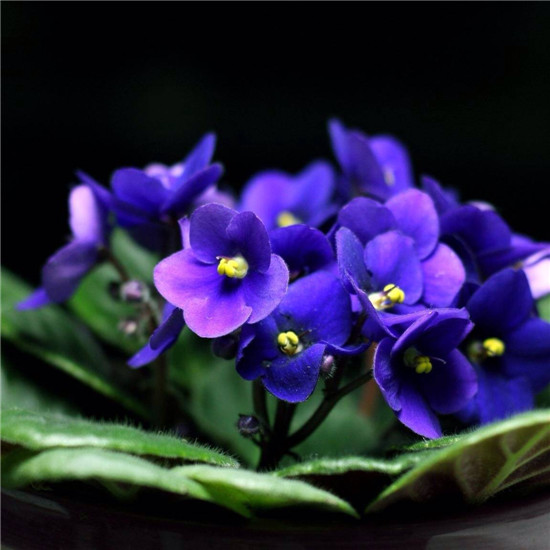
The African violet originates from the tropical regions of eastern Africa. It likes warm, humid and semi-shaded environments. In summer it fears strong light and high temperatures. The suitable temperature for production is 16-24°C, from April to October it is 18-24°C, and from October to April of the following year it is 12-16°C. The daytime temperature should not exceed 30°C; high temperatures are unfavorable for the growth of African violets. In winter the nighttime temperature should not be lower than 10°C, otherwise it is prone to cold damage. A relative humidity of 40%-70% is more suitable; if the pot is too damp, the roots rot easily. If the air is dry, the leaves lack luster. African violets need shading in summer, and then the leaf color is fresh and emerald green; in winter, plenty of sunlight is needed for continuous blooming; adding supplementary light on rainy and snowy days is very beneficial to the growth and flowering of African violets.
African violets like semi-shaded, warm and humid environments. The suitable growth temperature is 20-22°C, and the suitable light intensity is between 10000-12000lx. In summer they avoid strong light and high temperatures; spray shading agent on the cultivation facilities or use shade nets to block out the stronger light, and spray water to lower the temperature and increase humidity, but pay attention to good ventilation. During cultivation, relatively high air humidity should be maintained, and watering should be appropriate; do not let it become too wet, so as to avoid rotting of stems and leaves.
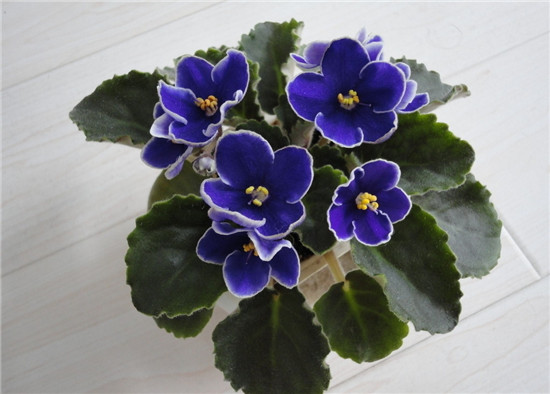
The difference between water temperature and air temperature should be less than 5°C, otherwise a large number of yellow spots will appear on the leaf surface. If light is insufficient, there will be few flowers and the color will be pale, or even only leaves will grow without flowering; if light is too strong, it will also cause the leaves to turn yellow and scorch. It can be placed in a bright place without direct sunlight for care. The suitable growth temperature is 16°C to 24°C, and in winter it must not be lower than 10°C. During cultivation, avoid sudden rises and drops in temperature, otherwise the plant can easily die.
In summer, place it in a ventilated and cool place for care, avoiding stuffy, humid environments and direct sun exposure. Usually, do not water too much; wait until the potting soil is slightly dry before watering. Water accumulation in the potting soil is often the main cause of plant rot. During the growing period, apply a fully rotted dilute liquid fertilizer or compound chemical fertilizer once every 7 to 10 days. The nitrogen content in the fertilizer must not be too high, otherwise the leaves will grow very luxuriantly but there will be very few flowers.
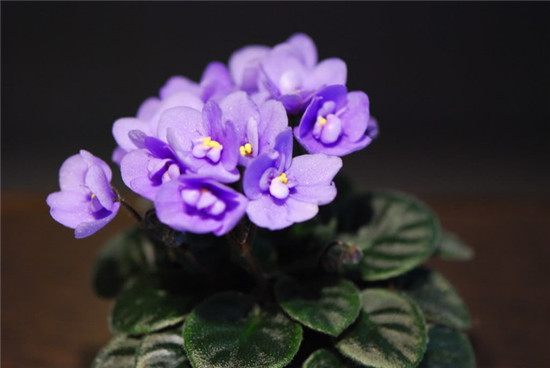
How to Grow African Violets
Planting
Because African violets are short in stature and their root systems do not spread widely, a pot that is too large is unsightly, while one that is too small affects growth and development, so choose a small flowerpot proportional to the size of the plant. The potting soil should be loose and fertile, and soil rich in humus is suitable. Generally, use 5 parts leaf mold, 3 parts garden soil, and 2 parts fully rotted manure soil, or mix 6 parts leaf mold with 4 parts sandy loam, or it can also be made by mixing leaf mold, peat soil, and sandy soil in equal parts.
Fertilizing
Fertilizing should be light. During the growth and development period, apply a dilute fully rotted liquid fertilizer combining nitrogen and phosphorus or a compound chemical fertilizer about once every 10 days, but note that there should not be too much nitrogen fertilizer, otherwise the leaves will grow very luxuriantly but there will be very few flowers. For this reason, the ratio of nitrogen, phosphorus and potassium fertilizers is best at 1:1:1. After flower buds appear, applying 1-2 additional applications of 0.5% superphosphate will make the flowers larger and more brightly colored. When fertilizing, also gently lift the leaves so that the fertilizer water does not touch the leaves, to avoid spots and rot on the leaves.
Watering
Because the plant is short and the root system is delicate, watering should not be too much; excessively wet potting soil easily causes root rot. Watering should follow the principle of watering when dry and stopping when wet. Apart from watering more generously in summer, in other seasons it is better to wait until the potting soil is slightly pale before watering. When watering, lift the leaves and gently pour along the edge of the pot, or use the immersion method to supplement water. Never pour from overhead, otherwise the leaves rot easily.
Temperature and Light
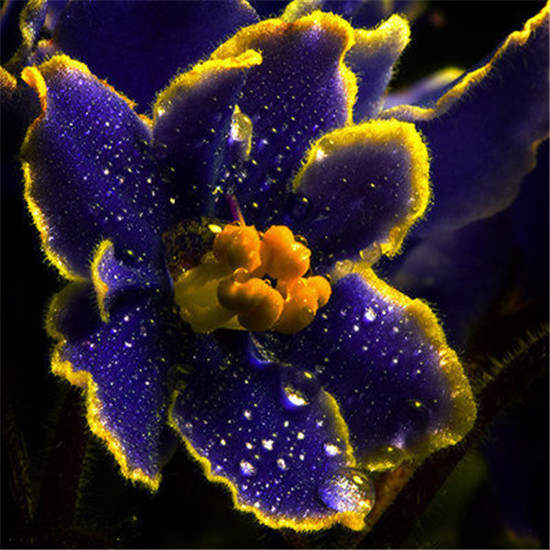
Although African violets like warmth, they are not tolerant of high temperatures. Their suitable growth temperature is 18-24°C, and when the temperature exceeds 27°C, growth becomes poor, so shading and cooling measures must be taken in midsummer; when the temperature drops below 16°C, growth also stops. African violets can endure short periods of low temperature at 7-10°C, so the winter room temperature should not be lower than 12°C.
African violets are shade-tolerant plants. If the care location has too strong light, the leaves will lose their bright luster, yellow spots will appear on the leaf surface, or the leaves will turn yellow, or show scorching; but if the care location is too shaded for a long time, then there will again be few flowers and pale color, or only leaves will grow without flowering, or there will be very few flowers. Therefore, when caring for them at home, the light conditions must be well controlled. Apart from needing to be placed in a spot with more sunlight in winter, in other seasons it is best to place them in a place with scattered light for care, while in summer direct sunlight must be avoided, and it is best to place them in a shaded, cool and ventilated place.
The above is all the content of the African violet growing tips I have summarized for everyone. I hope this article can help you. Please also continue to follow us.
And in summer, direct sunlight must be avoided, and it is best to place it in a shaded, cool and ventilated place.The above is all the content of the African violet growing tips I have summarized for everyone. I hope this article can help you. Please also continue to follow us.