What are the effects and uses of Wu Zhuyu (Euodia rutaecarpa)?
Treating diseases also requires good medicines, so that there is good help for improving the disease. There are many kinds of common medicines in life, especially some Chinese herbal medicines, which have many classifications. Therefore, when choosing such medicines, attention must also be paid to which diseases they can treat, so that using them will not harm one's own health. What are the effects and uses of Wu Zhuyu (Euodia rutaecarpa)?
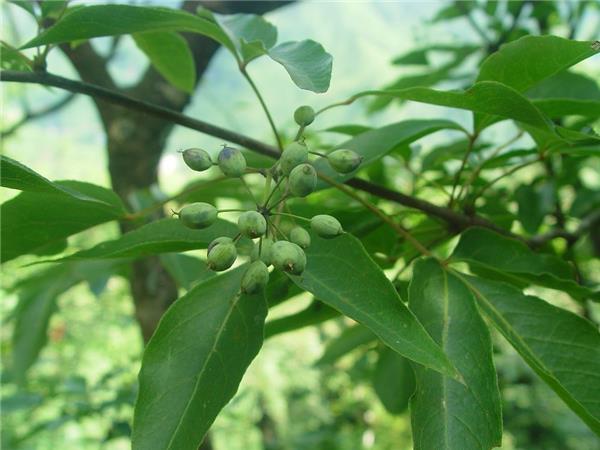
The effects of Wu Zhuyu
Dispelling cold and relieving pain
This includes warming the middle and also warming the meridians. It is used for headache, abdominal pain, and dysmenorrhea caused by cold in the meridians, and warms the liver meridian. For warming the middle, it can be widely used whenever there is cold in the stomach or cold in the spleen and stomach. It is used for various pain syndromes due to cold stagnating in the liver meridian. This product is pungent and dispersing, bitter and draining, hot in nature and dispels cold. It both disperses cold pathogens in the liver meridian and resolves stagnation in the liver meridian, making it an essential medicine for treating various pains due to cold qi stagnation in the liver. To treat cold hernia abdominal pain, it is often combined with Xiaohuixiang (fennel), Chuanlianzi (Sichuan lovage fruit), Muxiang (costus root), etc., such as Daoqi Tang. To treat Jueyin headache, it is often used with Renshen (ginseng), Shengjiang (ginger), etc., such as Wuzhuyu Tang. To treat dysmenorrhea due to deficiency cold of the Chong and Ren meridians and blood stasis obstruction, it can be used with Guizhi (cassia twig), Danggui (angelica), Chuanxiong (Sichuan lovage), etc., such as Wenjing Tang. If there is cold-damp beriberi with swelling and pain, or it surges upward into the abdomen, it is often used with Mugua (Chinese quince), Suye (perilla leaf), Binglang (areca), etc., such as Jiming San. It has a slight qi-moving effect, but leans toward relieving pain.
Stopping vomiting
It is used for vomiting syndromes due to stomach cold. This product has the effects of warming the middle and dispersing cold, and descending rebellion to stop vomiting. To treat cold pain in the epigastrium and abdomen due to deficiency cold of the middle jiao, with vomiting and acid regurgitation, it is often used with Renshen (ginseng), Shengjiang (ginger), etc., such as Wuzhuyu Tang. To treat vomiting due to external cold invading internally and failure of the stomach to descend harmoniously, it can be used with Banxia (pinellia), Shengjiang (ginger), etc. It is often combined with Huanglian (Coptis chinensis), which clears stomach heat, to treat vomiting due to stomach heat or vomiting caused by liver depression transforming into fire.
Helping yang and stopping diarrhea
It is bitter and drying, and can dry dampness. It is used for diarrhea, loose stools, and deficiency cold diarrhea syndromes. This product can warm the spleen and benefit the kidney, help yang and stop diarrhea, and is a commonly used medicine for treating spleen-kidney yang deficiency and diarrhea before dawn. It is mostly used with Buguzhi (psoralea fruit), Roudoukou (nutmeg), Wuweizi (schisandra), etc., such as Sishen Wan. For diarrhea with yang deficiency and cold, it is most suitable because it supplements yang, disperses cold and relieves pain, and dries dampness.
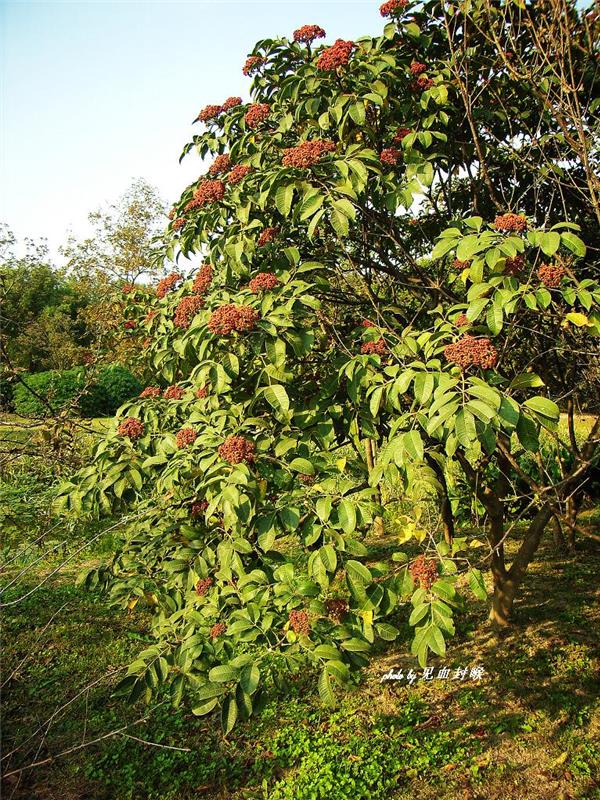
Soothing the liver and regulating qi
Pungent, bitter, and warm, it enters the liver meridian. When used, it can soothe liver qi and remove cold and resolve depression, so it can be used for various diseases caused by liver qi stagnation. According to Bencao Biandu: "Wu Zhuyu is pungent, bitter, and warm, aromatic and drying, and is primarily a liver medicine... Its nature is fastest at not descending qi, and it is extremely able to diffuse and disperse depression. Therefore, it treats liver qi stagnation, cold turbidity settling below, leading to diseases such as abdominal pain and hernia masses, or when pathogenic factors move downward to the extreme and then upward. It can treat all such diseases as vomiting, acid regurgitation, and chest fullness."
Warming the spleen and draining dampness
Its pungent flavor can disperse, its bitter flavor can dry, and its warm nature can dispel cold, so it can be used for various diseases caused by cold and dampness. According to Bencao Gangmu: "Zhuyu, being pungent and hot, can disperse and can dry; being bitter and hot, it can dry and can firm. Therefore, for the symptoms it treats, all rely on its effects of dispersing cold, warming the middle, drying dampness, and resolving depression."
The actions of Wu Zhuyu
Blood pressure-lowering effect
After filtration, Wu Zhuyu distillate, decoction, and instant granules were respectively injected intravenously into normal rabbits, normal dogs, and dogs with experimental renal hypertension at a dose of 2-4 g of crude drug per dog. All showed obvious blood pressure-lowering effects, and the duration was long, generally lasting more than 3 hours; when the decoction was given to dogs by gavage, the extent of blood pressure reduction was smaller than with intravenous injection. The blood pressure-lowering effect of Wu Zhuyu is mainly due to dilation of peripheral blood vessels, thereby reducing peripheral vascular resistance, and it is related to histamine release.
Effects on the digestive system
Research shows that the evodine contained in Wu Zhuyu is a bitter principle and has a bitter stomachic effect, and the volatile oil it contains also has an aromatic stomachic effect. The methanol extract of Wu Zhuyu has an effect against water immersion stress ulcers in rats; the water decoction also has effects against hydrochloric acid gastric ulcers and indomethacin plus ethanol-induced gastric ulcers, and tends to inhibit the formation of water immersion stress ulcers and pylorus-ligated ulcers. Wu Zhuyu has a bidirectional effect on isolated small intestine activity, exciting at low concentration and inhibiting spontaneous contractile activity at high concentration. It can antagonize the excitatory effects of nicotine, physostigmine, acetylcholine, histamine, barium chloride, phentolamine, and reserpine on isolated small intestine; it can also counteract the inhibitory effects of hexamethonium, atropine, and epinephrine on isolated small intestine, but cannot antagonize the inhibitory effects of diphenhydramine, papaverine, verapamil, and methadone on isolated rabbit small intestine.
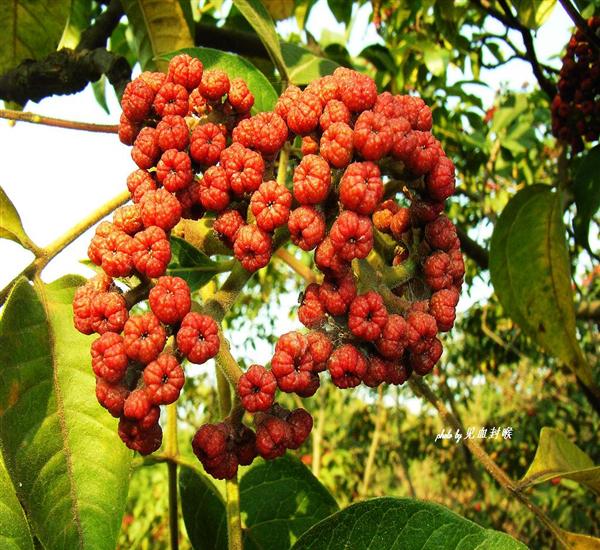
Effects on uterine smooth muscle
The sympathomimetic component p-hydroxyphenylephrine in Wu Zhuyu has a relaxing effect on isolated uterus, while the remaining liquid after removing the sympathomimetic component excites the rat uterus and can counteract the relaxing effect of p-hydroxyphenylephrine. Its uterus-exciting components are dehydroevodiamine, evodiamine, and rutamine. Dehydroevodiamine may be a 5-hydroxytryptamine receptor agonist, and its uterus-exciting effect can be blocked by dihydroergotamine but not by atropine.
Effects on the central nervous system
Mainly analgesic effects. Its analgesic components are evodiamine, evodiamine secondary base, isoevodiamine, and evodiolactone. Intravenous injection of the 10% ethanol extract of Wu Zhuyu can raise the body temperature of rabbits and can also increase the threshold of contraction of the oral margin muscle group caused by electrical stimulation of rabbit tooth pulp, with strength comparable to aminopyrine. Wu Zhuyu water decoction at 5 g/kg and 20 g/kg both significantly delay pain response time, and the effect can last for 2.5 hours without disappearing. Oral Wu Zhuyu has an antiemetic effect, and when taken with ginger, the antiemetic effect can be strengthened. However, some reports also point out that when Wu Zhuyu decoction and acetone extract were respectively given to dogs by gavage, neither had an antiemetic effect on vomiting in dogs caused by 4% copper sulfate.
Effects on the cardiovascular system
The alcohol-water extract of Wu Zhuyu at 0.03-0.24 g/kg injected intravenously into anesthetized cats produced a dose-dependent pressor effect and increased diaphragmatic contractility, but tetraethylammonium could not antagonize it. Intraperitoneal injection in awake rats also caused a rise in blood pressure. Bilateral nephrectomy, phentolamine, or propranolol all significantly reduced its pressor effect. Experiments show that Wu Zhuyu decoction, instant granules, and distillate all have significant blood pressure-lowering effects by intravenous injection and gavage, with dose dependence, and the blood pressure-lowering duration is relatively long, generally lasting more than 3 hours. During blood pressure reduction, heart rate is not obviously affected, but intramuscular injection has very weak blood pressure-lowering effect. It also has a blood pressure-lowering effect on dogs with experimental renal hypertension and normal rabbits. Licorice decoction can cause the blood pressure-lowering effect of Wu Zhuyu to be lost. Wu Zhuyu has no blocking effect on ganglia, but can counteract the pressor responses caused by epinephrine, norepinephrine, and posterior pituitary extract. Some reports believe that the effect of the alcohol-water extract of Wu Zhuyu on the cardiovascular system is produced by exciting alpha-receptors and beta-receptors.
Expelling roundworms
The alcohol extract of Wu Zhuyu has a relatively significant effect on pig roundworms in vitro; it is also effective against earthworms and leeches.
Antibacterial
Wu Zhuyu decoction (100%) has relatively strong inhibitory effect on Vibrio cholerae (agar trench plate method). The 10% water infusion has an inhibitory effect on Epidermophyton floccosum in test tubes; the 1:3 water infusion has varying degrees of inhibition on 11 kinds of dermatophytes such as Microsporum audouinii.
Other
The 10% alcohol extract of plants in the genus Euodia, when injected into rabbits at 0.5-1.0 mL, causes a brief and slight rise in blood pressure, mild respiratory excitation, and increased carotid artery blood flow. Intravenous injection of 0.2-0.5 mL/kg of 0.1% isoevodiamine hydrochloride into rabbits caused no significant change in blood pressure and slight increase in respiration. At 0.02-0.1%, the effect on isolated frog heart was not obvious; perfusion of frog lower limb blood vessels was generally not obvious, with dilation first and then contraction; on isolated rabbit intestine, there was brief excitation first and then paralysis; on isolated rabbit uterus, there was an excitatory effect at first. Evoxine has low toxicity; in mice, the median lethal dose is 705 mg/kg by subcutaneous injection and 135 mg/kg by intravenous injection. Components of Wu Zhuyu, such as evodiolactone, evodiamine, evodiamine secondary base, and isoevodiamine, have similar effects of relieving pain, raising body temperature, and mildly affecting respiration and blood pressure. The decomposition product of evodiamine, rutamine, has a relatively strong uterine contraction effect. Evodiamine has an anti-Columbia SK virus effect in mice.
The alkaloid obtained from Exanthoxgloides is similar to evodiamine. It can enhance the action of epinephrine, increase the excitability of spinal reflexes, relax small intestine smooth muscle, and increase the tension of striated muscle. In several respects, its action is similar to that of ephedrine.
Effects on the central nervous system
Mainly analgesic effects. Its analgesic components are evodiamine, evodiamine secondary base, isoevodiamine, and evodiolactone. Intravenous injection of the 10% ethanol extract of Wu Zhuyu can raise the body temperature of rabbits and can also increase the threshold of contraction of the oral margin muscle group caused by electrical stimulation of rabbit tooth pulp, with strength comparable to aminopyrine. Wu Zhuyu water decoction at 5 g/kg and 20 g/kg both significantly delay pain response time, and the effect can last for 2.5 hours without disappearing. Oral Wu Zhuyu has an antiemetic effect, and when taken with ginger, the antiemetic effect can be strengthened. However, some reports also point out that when Wu Zhuyu decoction and acetone extract were respectively given to dogs by gavage, neither had an antiemetic effect on vomiting in dogs caused by 4% copper sulfate.
Effects on the cardiovascular system
The alcohol-water extract of Wu Zhuyu at 0.03-0.24 g/kg injected intravenously into anesthetized cats produced a dose-dependent pressor effect and increased diaphragmatic contractility, but tetraethylammonium could not antagonize it. Intraperitoneal injection in awake rats also caused a rise in blood pressure. Bilateral nephrectomy, phentolamine, or propranolol all significantly reduced its pressor effect. Experiments show that Wu Zhuyu decoction, instant granules, and distillate all have significant blood pressure-lowering effects by intravenous injection and gavage, with dose dependence, and the blood pressure-lowering duration is relatively long, generally lasting more than 3 hours. During blood pressure reduction, heart rate is not obviously affected, but intramuscular injection has very weak blood pressure-lowering effect. It also has a blood pressure-lowering effect on dogs with experimental renal hypertension and normal rabbits. Licorice decoction can cause the blood pressure-lowering effect of Wu Zhuyu to be lost. Wu Zhuyu has no blocking effect on ganglia, but can counteract the pressor responses caused by epinephrine, norepinephrine, and posterior pituitary extract. Some reports believe that the effect of the alcohol-water extract of Wu Zhuyu on the cardiovascular system is produced by exciting alpha-receptors and beta-receptors.
Expelling roundworms
The alcohol extract of Wu Zhuyu has a relatively significant effect on pig roundworms in vitro; it is also effective against earthworms and leeches.
Antibacterial
Wu Zhuyu decoction (100%) has relatively strong inhibitory effect on Vibrio cholerae (agar trench plate method). The 10% water infusion has an inhibitory effect on Epidermophyton floccosum in test tubes; the 1:3 water infusion has varying degrees of inhibition on 11 kinds of dermatophytes such as Microsporum audouinii.
Other
The 10% alcohol extract of plants in the genus Euodia, when injected into rabbits at 0.5-1.0 mL, causes a brief and slight rise in blood pressure, mild respiratory excitation, and increased carotid artery blood flow. Intravenous injection of 0.2-0.5 mL/kg of 0.1% isoevodiamine hydrochloride into rabbits caused no significant change in blood pressure and slight increase in respiration. At 0.02-0.1%, the effect on isolated frog heart was not obvious; perfusion of frog lower limb blood vessels was generally not obvious, with dilation first and then contraction; on isolated rabbit intestine, there was brief excitation first and then paralysis; on isolated rabbit uterus, there was an excitatory effect at first. Evoxine has low toxicity; in mice, the median lethal dose is 705 mg/kg by subcutaneous injection and 135 mg/kg by intravenous injection. Components of Wu Zhuyu, such as evodiolactone, evodiamine, evodiamine secondary base, and isoevodiamine, have similar effects of relieving pain, raising body temperature, and mildly affecting respiration and blood pressure. The decomposition product of evodiamine, rutamine, has a relatively strong uterine contraction effect. Evodiamine has an anti-Columbia SK virus effect in mice.
The alkaloid obtained from Exanthoxgloides is similar to evodiamine. It can enhance the action of epinephrine, increase the excitability of spinal reflexes, relax small intestine smooth muscle, and increase the tension of striated muscle. In several respects, its action is similar to that of ephedrine.