What are the cultivation methods and precautions for firecracker flower?
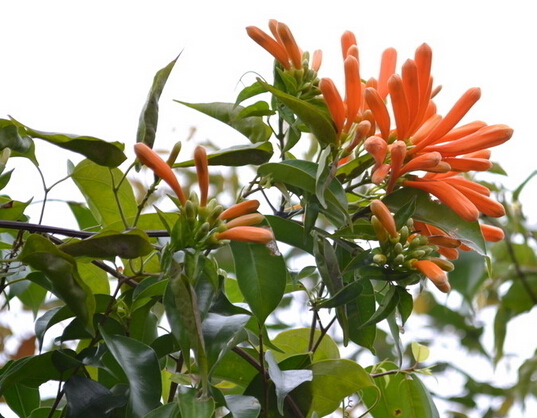
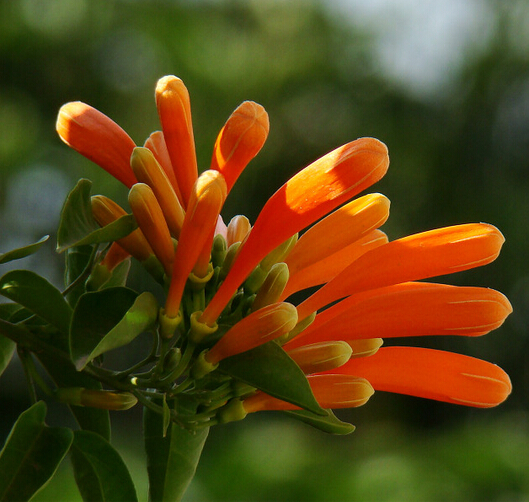
Firecracker flower gets its name because its flowers resemble firecrackers. When it blooms in spring, golden-yellow little flowers dot the green wall like strings of firecrackers, and also seem to burst into a patch like a spark, adding much festive color to gardens and surroundings. Now let's take a look at the cultivation methods and precautions for firecracker flower compiled by the editor.
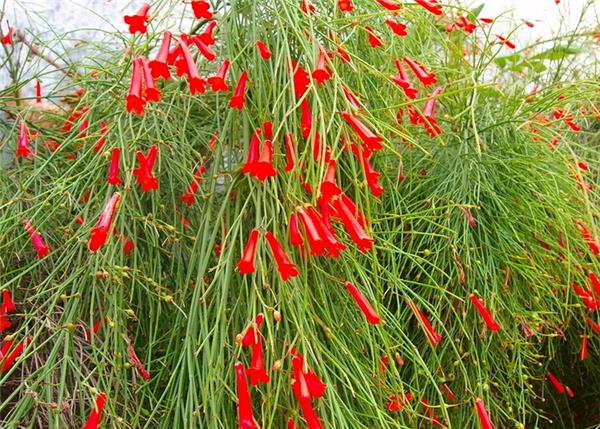
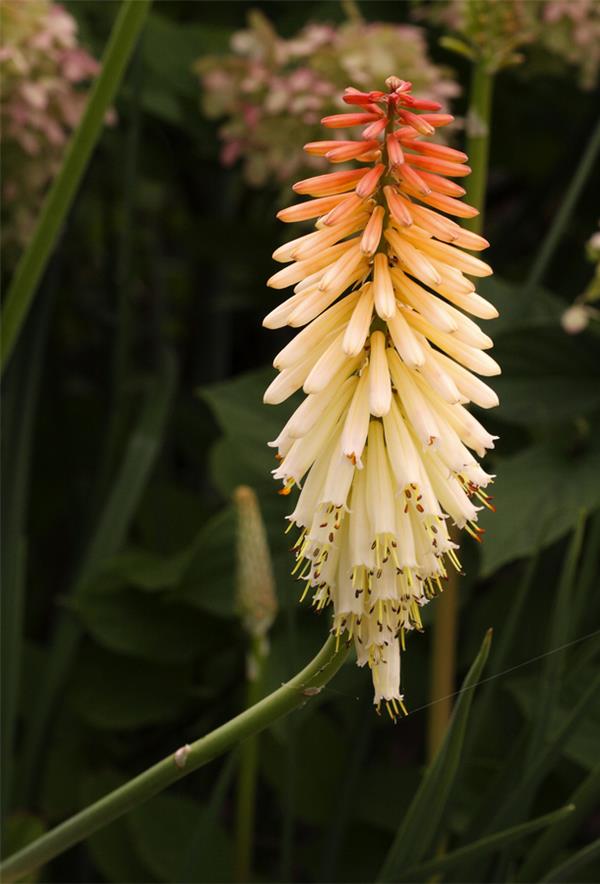
Firecracker flower is a perennial herbaceous plant of the genus Firecracker flower in the Scrophulariaceae family. The plant height is 60-100 cm, and it can bloom all year round. Firecracker flower is native to Mexico and likes a warm, humid environment with plenty of sunlight. The stronger the light, the better it blooms. Therefore, during cultivation, it should receive as much light as possible, and there is no need to shade it even in midsummer. It can be used as a potted plant to decorate balconies, courtyards, and interiors, and can also be grown as a hanging basket plant, suspended under corridors, in front of windows, and other places for viewing.
Cultivation methods for firecracker flower
1. Soil: Firecracker flower has low soil requirements, but when cultivated in fertile soil rich in organic matter, well-drained, and with a deep soil layer, it grows more vigorously. The growing medium should mainly use leaf mold, garden soil, mountain soil, etc., and an appropriate amount of decomposed compost, bean cake, bone meal, and other organic fertilizers should be applied as a base fertilizer.
2. Watering: Watering should follow the principle of watering when dry and stopping when wet, and waterlogging in the pot must be avoided. In summer, when temperatures are high, watering should be sufficient, and at the same time water should be sprinkled on the ground near the flowerpot to increase air humidity. From autumn, it begins to enter the flower bud differentiation stage; at this time, watering should be appropriately reduced to control vegetative growth and promote flower bud differentiation.
4. Fertilizing: Fertilizing should mainly focus on phosphorus fertilizer. During the growing season, generally apply a dilute liquid fertilizer combining nitrogen and phosphorus about once every 2 weeks. During the bud stage, apply a liquid fertilizer mainly based on nitrogen once to benefit flowering and plant growth.
5. Diseases: Common diseases of firecracker flower include leaf spot and powdery mildew. Spray with a 1500-times dilution of 50% carbendazim wettable powder.
6. Pests: Pests of firecracker flower include whiteflies and scale insects, which can be killed by spraying a 1200-times dilution of 40% omethoate emulsifiable concentrate.
7. Pinching: When the firecracker flower seedlings grow to about 70 cm tall, a trellis should be set up, and their branches should be guided onto the trellis. Pinching is also needed to encourage the growth of side branches, which helps produce more flowers.
Precautions for cultivating firecracker flower
1. Choose a large, deep cylindrical clay pot for planting. Because firecracker flower grows rapidly and has lush branches and leaves, the growing medium should preferably use mountain soil. Where mountain soil is not available, leaf mold or peat soil can be used as the main component, supplemented with some compost soil and a small amount of bone meal.
2. Water and fertilize reasonably. Firecracker flower likes moist soil, so during the growing season it is suitable to keep the potting soil moist frequently. In dry seasons and hot summers, it is also necessary to spray water on the branches and leaves 2-3 times a day and sprinkle water on the ground around the flowerpot to increase air humidity. In autumn, when it enters the flower bud differentiation stage, watering should be reduced to keep the potting soil slightly moist. During the peak growing season, apply dilute cake fertilizer water about once every half month. After autumn begins, fertilizing should mainly use phosphorus fertilizer, and compound chemical fertilizer can also be applied as a top dressing.
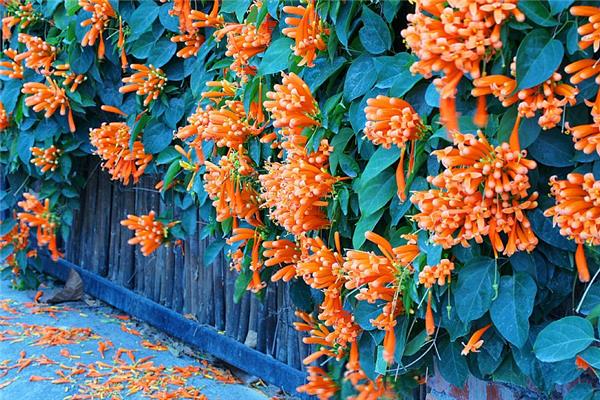
4. In winter, transplant it with soil to the middle of a lawn or an open area in front of a gate, and support it with bamboo to prevent lodging. This species relies on tendrils to attach itself for growth. During the growing period, avoid turning the vines or breaking the tendrils, otherwise it will affect the absorption of water and nutrients, causing poor flowering or even no flowering.
Propagation methods for firecracker flower
To propagate firecracker flower, cuttings and layering can be used, but layering roots faster and has a higher survival rate. Generally, after flowering, select vigorous branches more than one year old, scrape the part to be buried in the soil, bury it in soil about 10 cm thick, and fix it with bamboo pegs or similar objects so it does not spring out. Keep the soil moist frequently, and generally by autumn it can be cut away from the parent plant and planted separately.
Layering propagation: Layering mainly uses vines that have fallen to the ground, wounding the bark at the leaf axils and pressing them into the soil. It can be done from spring to autumn, with summer being the most suitable. Roots can develop in 20-30 days, and after about 1.5 months they can be cut off as new plants, which can bloom in the same year. It is mostly grown as a potted flower, or layering can be done directly in a container without moving it to a nursery for seedling cultivation.
Insert them into a wet sand bed and mist to keep them moist. When the air humidity stabilizes at around 20°C, roots develop about 25 days after cutting, and the survival rate can reach 70%. After about 1.5 months, they can be moved to a nursery for cultivation. One-year-old seedlings can be planted out, bloom the following year, and by the third year can form a landscape. Old stem cuttings can also be used, that is, select thick old stems sprouting from the base, which can reach more than 2 m in length, insert them into fertile sandy loam soil, keep them in semi-shade, and they begin to root after about 50-60 days. In the same year, let them freely send out branches and grow leaves.
Layering propagation: Layering mainly uses vines that have fallen to the ground, wounding the bark at the leaf axils and pressing them into the soil. It can be done from spring to autumn, with summer being the most suitable. Roots can develop in 20-30 days, and after about 1.5 months they can be cut off as new plants, which can bloom in the same year. It is mostly grown as a potted flower, or layering can be done directly in a container without moving it to a nursery for seedling cultivation.