How to Plant and Care for Miniature Water Lilies
Miniature water lilies are prized aquatic flowers. They look similar to lotus flowers, but the difference is that lotus leaves and flowers rise above the water surface, while water lily leaves and flowers float on the water surface. Miniature water lilies are known as the "sleeping beauty among flowers" because they open by day and close by night. So what exactly are the planting methods for miniature water lilies, and how do you grow them? Let me tell you.
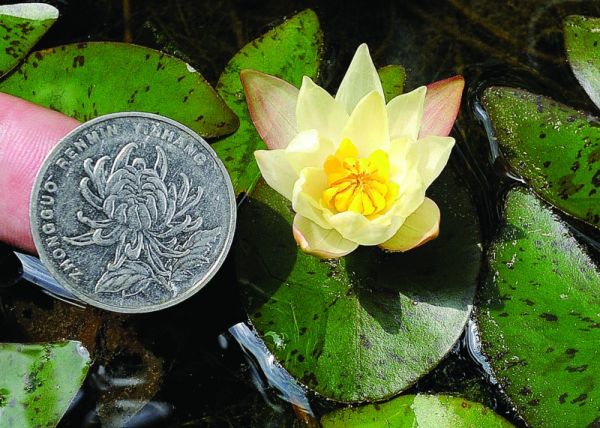
Miniature water lilies are perennial aquatic plants with strong cold tolerance; in Northeast China, they can overwinter safely with just a little protection. The underground rhizomes of miniature water lilies creep horizontally, or the tubers grow upright, short and thick. The leaves grow in clusters and float on the water surface; they are thick and glossy, round or oval, with the upper surface dark green and the underside dark purple or purplish red. Flower colors vary greatly depending on the variety, and they are bright and beautiful.
How to Plant Miniature Water Lilies
The two most important factors for growing water lilies: first, light. Second, temperature. Whether the light is sufficient determines whether water lilies can survive and thrive. The more sufficient the light and the warmer the climate, the better water lilies grow and the shorter their dormant period. So if you want to grow water lilies, you must first assess whether you can provide a spot with ample light.
1. Rhizome Propagation Method
Miniature water lilies are mainly propagated by rhizomes. At first, plant the miniature water lily in a flower pot, then place it in water. After about a year, the rhizomes of the miniature water lily will grow very densely, and then you can divide the rhizomes and plant them. First remove the soil from the rhizome area, trim the fibrous roots short, and cut off the creeping rhizomes together with stems and leaves at about 10 cm, then put bottom sand and fertilizer and the like into the pot base, place the stem sections in, and firm them up with a layer of soil on top; water at the appropriate times and wait for them to grow.
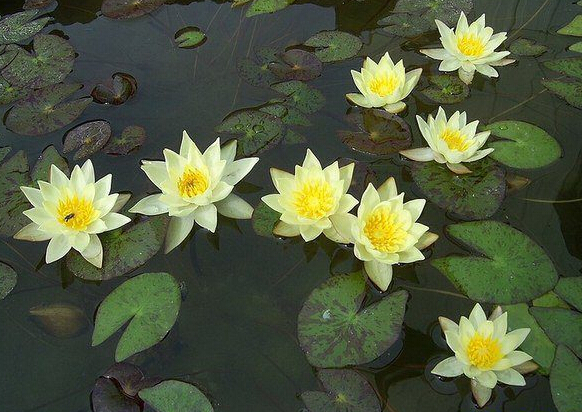
When planting, you can let the growing point of the miniature water lily be slightly above the water surface or above the rim of the pot. Once planted, immediately place it in water, and in the water the miniature water lily needs to be secured in place while maintaining a certain water depth. Miniature water lilies need to be divided and replanted once they reach a certain stage of growth, and they need frequent fertilizing to ensure sufficient nutrients, and the water quality must be clear.
How to Grow Miniature Water Lilies
1. Choose good cultivation soil: Miniature water lilies like humus-rich, fertile clay soil. Therefore, for cultivation it is best to choose silt that has long accumulated in rivers or ponds.
2. Choose good seed stems: Miniature water lilies are mostly cultivated by division. Choosing good seed stems is also a key link in the success or failure of cultivation. For the underground rhizomes used as seed, select a section that is vigorous and robust, virus-free, undamaged, and not rotten, with new buds, and cut it into sections 6 to 10 cm long.
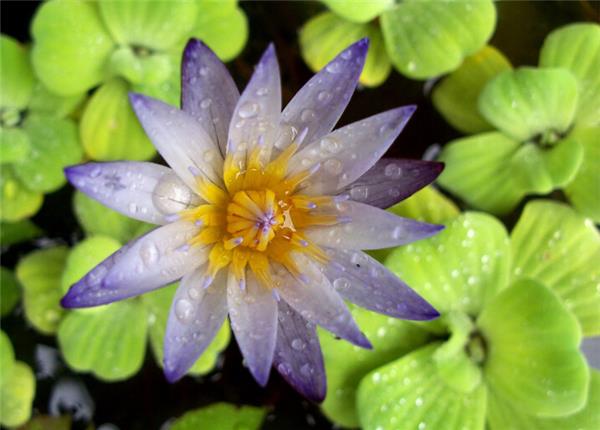
4. Sufficient light: Miniature water lilies like a climate with ample sunlight, warmth and moisture, and good ventilation. Miniature water lilies grown in pots or tubs must be placed in a spot with sufficient light, allowing them to receive full sunlight.
5. Water conditions: Miniature water lilies prefer to grow in relatively calm water bodies without large waves or strong currents, so growing them in artificial fountain pools with high-pressure water jets or in pools with rushing waterfalls often results in poor growth. The suitable water depth for growing miniature water lilies varies depending on the variety.
6. Transplanting and bud division: This can be done every year from after Qingming to before Mid-Autumn Festival. When dividing buds, be careful not to damage the bud points; the size of the corms does not matter much. In one pot, it is recommended not to have too many bud hearts, as they will be too crowded, the leaves will become smaller, and they will not bloom, so on average you should divide the buds once to twice every two years (so every year I give away the extra ones).

Water lilies are flowers that do not really need much management, because they grow very fast. Even if there are occasionally caterpillars or aphids, the damage to them will not be too serious. If water lilies are planted next to roses, the roses will hardly grow aphids, because the aphids are all fed full by the water lilies. As long as there is sufficient light, they are guaranteed to grow like crazy.
In addition, besides being ornamental, water lily flowers can also be eaten. After removing the outer petals of the flower, brewing them as tea is very fragrant and tasty and rich in natural pectin, but dark-colored varieties are too fragrant and slightly bitter, so light-colored varieties are generally used to make flower tea. Alternatively, the petals can be pulled off and blended with milk, ice cubes, and fructose in a juicer to make a beautiful and delicious water lily smoothie.
Because they grow very fast, even if there are occasionally caterpillars or aphids, the damage to them will not be too serious. If water lilies are planted next to roses, the roses will hardly grow aphids, because the aphids are all fed full by the water lilies. As long as there is sufficient light, they are guaranteed to grow like crazy.
In addition, besides being ornamental, water lily flowers can also be eaten. After removing the outer petals of the flower, brewing them as tea is very fragrant and tasty and rich in natural pectin, but dark-colored varieties are too fragrant and slightly bitter, so light-colored varieties are generally used to make flower tea. Alternatively, the petals can be pulled off and blended with milk, ice cubes, and fructose in a juicer to make a beautiful and delicious water lily smoothie.