A Detailed Explanation of the Benefits, Effects and Side Effects of Perilla Leaves
Perilla leaves are not only a very good medicinal herb, but also a very good food ingredient. What are the benefits and effects of perilla leaves? How are perilla leaves eaten?
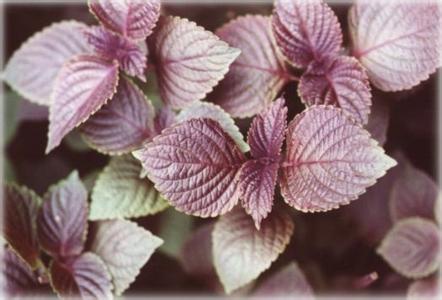
The Benefits and Effects of Perilla Leaves
1. Anti-cancer
Perilla oil can significantly inhibit the cancer incidence rate caused by chemical carcinogens, reduce tumor volume, and prolong the time before tumors appear. When rats with colon cancer induced by chemical carcinogens were fed perilla oil, the results showed that perilla oil can lower the activity of mucosal ornithine decarboxylase, reduce the sensitivity of colonic muscle to tumor promoters - the phospholipid membrane of colonic epithelial cells - and effectively inhibit colon cancer
2. Anti-allergic
According to testing, perilla leaves are rich in vitamin C, potassium, iron, etc., and also contain abundant unsaturated fatty acids, which help the immune function perform normally and have the effect of alleviating allergic reactions such as allergic dermatitis and pollinosis. Research has also found that the medicinal effects of perilla stem are similar to those of perilla leaf, and perilla stem can also be used in the treatment of skin diseases.
3. Antibacterial
Perilla oil has a clear inhibitory effect on naturally contaminating mold, and its inhibitory effect on mold is clearly superior to that of ethylparaben, and it also has the characteristics of requiring a small dosage, being safe, and not being affected by pH value.
4. Lowering blood lipids
The alpha-linolenic acid in perilla oil can significantly reduce the relatively high triglyceride content in the blood and can inhibit the synthesis of endogenous cholesterol. Animal experiments show that perilla oil has the effect of regulating blood lipids in rats with hyperlipidemia.
5. Anti-thrombotic
Experiments have confirmed that perilla oil can inhibit the free radicals of platelets and serotonin, thereby inhibiting the occurrence of thrombotic disease, and has an anti-thrombotic effect. Unsaturated fatty acids such as alpha-linolenic acid have the effect of lowering platelet AA levels and inhibiting the production of thromboxane A1, which can weaken platelet activity, effectively control and inhibit platelet aggregation on blood vessel walls, and thereby reduce thrombus formation.
6. Raising blood sugar
Experiments show that when perilla oil is given to rabbits orally at 0.35 ml/kg, it can raise blood sugar; after the main component in the oil, perillaldehyde, is made into an oxime, its blood sugar-raising effect is stronger than that of perilla oil.
7. Treating common warts
It is reported that after disinfecting the skin around the wart (for those with protruding wart bodies, it may be trimmed off at skin level), take washed fresh perilla leaves and rub the wart area, 10-15 minutes each time, then bandage with dressing, once a day.
8. Although perilla leaves have very good medicinal effects, we should also know that when using perilla leaves, attention must be paid to some contraindications of perilla leaves. For example, people with deficiency-cold constitution should not take them, otherwise it will lower the body's resistance, and friends with high blood pressure should not eat them. At the same time, experts remind that every medicine has some toxicity, so when eating perilla leaves, attention should be paid: they should not be consumed for a long time.
Proven Prescriptions of Perilla for Treating Illness
1. Poor appetite and abdominal bloating: 30 g fresh perilla, 2 eggs. Add water to a pot and bring to a boil, crack the eggs into a bowl, beat them, put them into the pot, and after boiling add perilla, sesame oil, monosodium glutamate, and salt to season, then it is ready to eat. It has the effect of harmonizing the middle and dispersing cold, and is relatively suitable for poor appetite, abdominal bloating, and preference for hot food and drinks.
2. For those with vomiting, chest tightness, and nausea, use 12 g each of cyperus rotundus and perilla leaves, 6 g honey-fried licorice, and 6 g tangerine peel, make into a powder, take 3 g each time, 3 times a day.
3. For vomiting and diarrhea and abdominal pain caused after eating fish or crab, use 30 to 60 g of this product alone, decoct in water and take.
4. Wind-cold with nasal congestion and clear runny nose: 15 g perilla leaf, 10 g notopterygium root, 10 g schizonepeta, 6 g ginger, 10 g saposhnikovia root, 10 g cassia twig. Decoct in water and take, twice a day. It has the effect of releasing the exterior and dispersing cold, and can treat nasal congestion with clear runny nose, generalized aching, and other symptoms caused by externally contracted wind-cold.
5. Restless fetal movement: 12 g each of perilla stem and mulberry mistletoe, 6 g atractylodes macrocephala, 3 g scutellaria baicalensis, 9 g dipsacus asper. Decoct in water and take, one dose a day.
6. Chronic gastritis: 12 g perilla stem, 6 g each of coptis chinensis and finger citron, 10 g each of bitter orange, green tangerine peel, bupleurum, tangerine peel, and ageratum, 3 g each of evodia rutaecarpa and raw licorice. Decoct in water and take, one dose a day, with 10 days as one course of treatment. This prescription can soothe the liver and move qi, harmonize the stomach and stop pain.
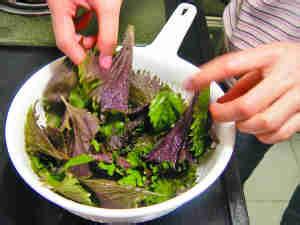
How to Eat Perilla Leaves
1. Fresh leaves eaten raw and mixed: rinse and coat them in a container with warm salt water and monosodium glutamate, then put them on a plate, add a small amount of cooked oil and eat immediately. The taste is delicious and leaves a lasting impression, and it is also beneficial for the absorption of various vitamins.
2. Frying: add a small amount of flour, a small amount of salt, and monosodium glutamate to egg white, mix into a porridge-like consistency, coat the leaves with the front side facing up and the back side facing down, put them into warm oil and fry until moderate, then they can be eaten dipped in pepper salt.
3. Perilla leaves wrapping sashimi, eaten raw with condiments, or eaten mixed with shrimp and crab together with an appropriate amount of raw perilla leaves, has the function of detoxifying and warming the stomach.
4. Hot pot blanching: put them into the hot pot together with seafood, meat, etc., and they can be eaten after a brief heating; do not take too long, then drink the broth, and the taste is extremely good.
5. Fresh leaves dipped in horseradish or sweet bean sauce and eaten raw taste extremely fresh and natural, and are rich in nutrients.
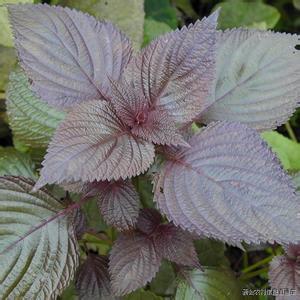
A Brief Introduction to Perilla
English: Perillae Frutescentis. Aliases: Su Ye, Bai Su, Hong Su, Jiguan Zisu. Medicinal nature: pungent, warm. Effects: release the exterior and disperse cold, move qi and soothe the middle, neutralize fish and crab toxins. Indications: wind-cold common cold, qi stagnation of the spleen and stomach, chest tightness and vomiting, abdominal pain and vomiting caused by fish and crab poisoning. Usage: decoct and take, 5 to 9 grams. Caution: not suitable for prolonged decoction
Perilla is the stem and leaves of the annual herbaceous plant perilla in the Lamiaceae family. Its leaves are called perilla leaves, and its stems are called perilla stems. It is harvested in summer and autumn. Dried in the shade and used raw.
5. Fresh leaves dipped in horseradish or sweet bean sauce and eaten raw taste extremely fresh and natural, and are rich in nutrients.
A Brief Introduction to Perilla
English: Perillae Frutescentis. Aliases: Su Ye, Bai Su, Hong Su, Jiguan Zisu. Medicinal nature: pungent, warm. Effects: release the exterior and disperse cold, move qi and soothe the middle, neutralize fish and crab toxins. Indications: wind-cold common cold, qi stagnation of the spleen and stomach, chest tightness and vomiting, abdominal pain and vomiting caused by fish and crab poisoning. Usage: decoct and take, 5 to 9 grams. Caution: not suitable for prolonged decoction
Perilla is the stem and leaves of the annual herbaceous plant perilla in the Lamiaceae family. Its leaves are called perilla leaves, and its stems are called perilla stems. It is harvested in summer and autumn. Dried in the shade and used raw.