How to Make and Care for an Elm Bonsai
Elm is an excellent material for bonsai, and bonsai made from elm have highly varied forms and are very popular. Today, the editor will introduce how to grow an elm bonsai and how to make one. Let's take a look.
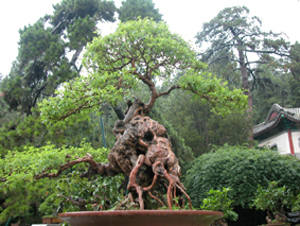
Elm leaves are alternate, elliptical with pointed tips, 3-6 cm long and 1-3 cm wide, with neat blunt serrations along the edges; the bark splits vertically, and the small branches are gray, soft, and widely spreading. The flowers are small and yellow-green, and the samaras are round like small coins. The leaves, branches, and trunk of elm all have a certain ornamental value. Its leaves are fine and dense, thick and hard, with fresh tender new leaves; the bark is irregular like scales and attractively mottled; the branches are soft and drooping, dancing in the wind, as graceful as willow; the trunk, though half-rotted and hollow or full of holes, remains strong and upright, surviving even in old age.
The elm has a tall, elegant, and unrestrained form, with rough, vertically fissured, dark gray bark; its small branches are soft and suitable for wiring. Old trees and aged stumps are especially graceful in bearing; though half-rotted and hollowed through, their branches and leaves still grow normally, conveying the sense of an old tree greeting spring. There are many varieties of elm, and among those suitable for making stump bonsai is the Chinese elm (Ulmus parvifolia), which has an elegant posture, gray-brown bark that peels off in irregular thin scales, and fine, dense branches and leaves with high ornamental value. It is cold-resistant, drought-resistant, and tolerant of poor soil, not particular about soil, and highly adaptable, making it a good material for bonsai. In addition, there is the small-leaf elm, which has a smaller tree form with leaves only about 1 cm long and lush branches and leaves, also a very good material for making bonsai.
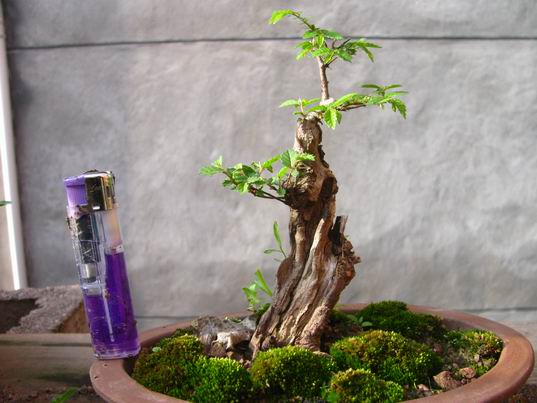
1. Increase light. It likes sunlight and is slightly shade-tolerant, so it should be placed in a sunny spot. If there is insufficient sunlight, it will produce leggy branches, the leaf color will be poor, and it will also be prone to pest problems.
2. Keep the potting soil moist but not waterlogged. Elm likes to grow in moist places, but it also fears waterlogging.
Therefore, when watering, water thoroughly; in midsummer, water once in the morning and once in the evening. If water accumulates in the pot, drain it as soon as possible.
3. Fertilize appropriately. Use peanut cake fermented into liquid fertilizer, or crush peanut cake into pieces the size of a thumb and bury them in the soil; a compound flower fertilizer can also be used as appropriate. Fertilize once in early spring and once in early autumn; do not apply too much.
4. Prune and shape in time. Elm has extremely strong sprouting ability and grows quickly; if not pruned, the stump bonsai will lose its ornamental value. Pruning and shaping can be done in autumn. First cut off useless branches and diseased branches, then trim the branches according to the desired form or the shape after styling.
5. Elm is often harmed by aphids and scale insects, which can be controlled by spraying with omethoate diluted 1000 times with water. Elm stumps are not only used for bonsai appreciation but can also serve as ornamental trees in courtyards, forming a beautiful scene on their own with excellent effect. However, when transplanting large stumps, they must be moved with native soil, and this should be done in winter or spring before the buds sprout. After planting, wrap the trunk with a mixture of rice straw and yellow mud water, and water frequently to keep the soil and straw moist.
1. Seedling source
Elm stumps are mostly dug up from the wild; wild stumps have strange and varied postures, winding and twisting, ancient and lovely, quick to take shape, and of high ornamental value.
2. Styling
1. The best time to plant in a pot is February-March in spring, though it can also be done in autumn. Before planting, prune the roots and branches and leaves once. To prevent excessive loss of elm sap, which can cause wounds to rot and lead to death, apply a medical eye ointment or sulfonamide ointment to the wounds, then plant in plain sandy soil in the ground or in a clay pot for growing and restoring vigor. After the stump has been grown and restored, it should be potted in a fine pot. Use loose, fertile garden soil or leaf mold, which is beneficial for root development. For the bonsai pot, it is best to use a purple clay pottery pot or a glazed pottery pot, mainly rectangular or oval in shape, and plain-colored pots are preferable.
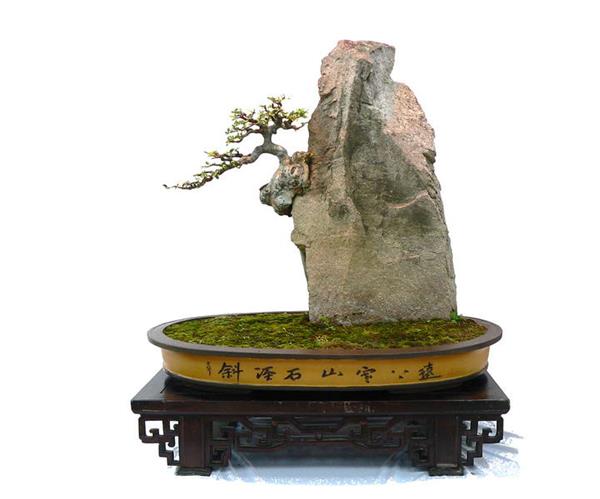
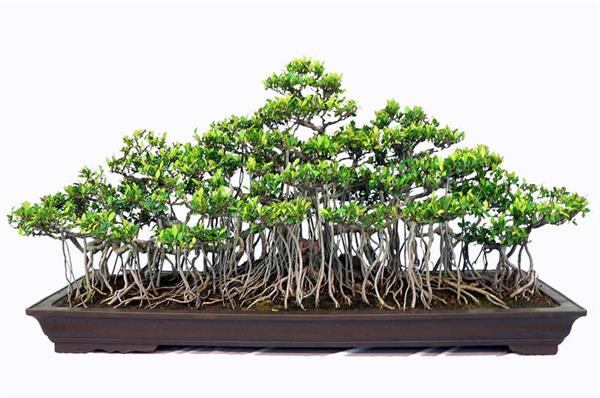
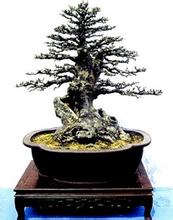
2. Styling: Elm styling should focus mainly on pruning, using both pruning and wiring. According to the basic form of the old stump, various styles can be made, such as formal upright, curved trunk, slanting trunk, cascade, or semi-cascade. Because its root system is well developed, it can also be made into a raised-root style or root-over-rock bonsai. Elm branches are soft and can be wired into many styles of bonsai. Elm branches and leaves tolerate pruning, so they can be pruned into cloud-like forms, or cut into any desired shape according to the maker's creative intent.
1. Location: Elm likes light and is cold-resistant, so it should be placed in an environment with good light and air circulation. In summer, the bonsai can be placed on wooden boards or foam boards to reduce root burn caused by heat conducted from the ground.
2. Watering: Keep the potting soil moist, but do not let it become waterlogged. When the weather is hot, water can be sprayed on the ground to increase humidity and lower temperature. However, do not spray water on the leaves, lest the leaves grow too large and affect the shape of the elm bonsai.
3. Fertilizing: During the growing season, apply a light fertilizer once a month, mainly nitrogen and potassium fertilizers; do not fertilize in winter.
4. Shaping: Elm has strong sprouting ability, so it should be pruned frequently during the growing season. Defoliating elm can promote leaf budding and make the leaves smaller. Before entering autumn, remove the old leaves in several batches. After about 20 days, new leaves will grow, and the bonsai will re-enter its ornamental period and can delay leaf fall.
5. Repotting: Generally repot once every 2-3 years, and the time should preferably be chosen during the spring budding period.
6. Pest and disease control: Spray dichlorvos to control various pests such as elm leaf beetles, scale insects, and longhorn beetles.
But it should not become waterlogged. When the weather is hot, water can be sprayed on the ground to increase humidity and lower temperature. However, do not spray water on the leaves, lest the leaves grow too large and affect the shape of the elm bonsai.
3. Fertilizing: During the growing season, apply a light fertilizer once a month, mainly nitrogen and potassium fertilizers; do not fertilize in winter.
4. Shaping: Elm has strong sprouting ability, so it should be pruned frequently during the growing season. Defoliating elm can promote leaf budding and make the leaves smaller. Before entering autumn, remove the old leaves in several batches. After about 20 days, new leaves will grow, and the bonsai will re-enter its ornamental period and can delay leaf fall.
5. Repotting: Generally repot once every 2-3 years, and the time should preferably be chosen during the spring budding period.
6. Pest and disease control: Spray dichlorvos to control various pests such as elm leaf beetles, scale insects, and longhorn beetles.