Can this green plant, the wild strawberry, be eaten?
Can wild strawberries be eaten? I believe not many people can explain this in detail. Wild strawberries are a common wild plant in our daily lives, but can wild strawberries be eaten? Let us take a look together!
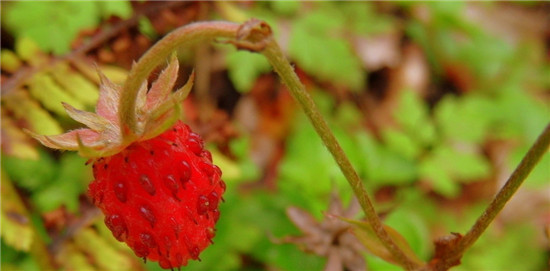
The wild strawberry, also called the wild berry, bears yellow flowers. It is a perennial herbaceous plant; its leaves can be brewed as tea together with other medicinal plants to ease tension and diarrhea, its fruit can supplement iron and is a mild laxative, and a decoction of the leaves can tighten pores. Strawberries are nutritious and rich in many active ingredients; every 100 grams of fresh fruit flesh contains 60 mg of vitamin C, which is higher than the content in apples and grapes. The fruit flesh contains large amounts of nutrients such as sugars, proteins, organic acids and pectin. In addition, strawberries are also rich in vitamins B1, B2, C and PP, as well as essential minerals and some trace elements for the human body such as calcium, phosphorus, iron, potassium, zinc and chromium. Strawberries are an important source of essential dietary fiber, iron, potassium, vitamin C and flavonoids.
Can wild strawberries be eaten?
Of course, wild strawberries can be eaten. I believe many friends born in the 1980s ate wild strawberries as children; they are tart, red and tender, and a single bite is full of juice, not to mention how delicious they are. Wild strawberries also contain various trace elements beneficial to human health, so they can be called one of the most delicious wild fruits of spring.
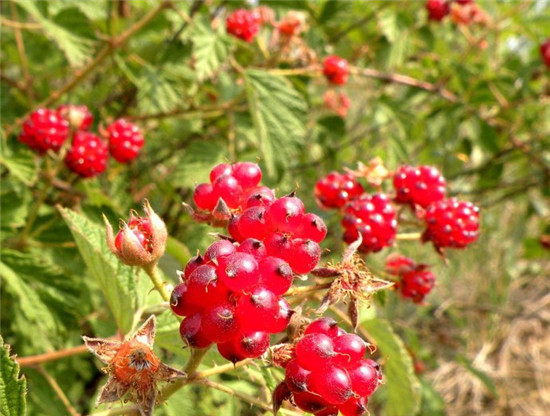
Of course, a similar fruit that grows alongside wild strawberries cannot be eaten. This fruit looks very much like the wild strawberry, but its appearance is red with a white base, and it is neither as soft nor as juicy as the wild strawberry. When picking wild strawberries, you must pay attention to distinguishing them.
The benefits of wild strawberries
Wild strawberries are nutritious and rich in many active ingredients; every 100 grams of fresh fruit flesh contains 60 mg of vitamin C, which is higher than the content in apples and grapes. The fruit flesh contains large amounts of nutrients such as sugars, proteins, organic acids and pectin. In addition, strawberries are also rich in vitamins B1, B2, C and PP, as well as essential minerals and some trace elements for the human body such as calcium, phosphorus, iron, potassium, zinc and chromium.
Its fruit can be used to add flavor to liqueurs, and it also has the effect of easing gastritis and hepatitis, removing dental calculus or yellow spots on the teeth, and strengthening teeth and gums. Applying crushed fruit to the skin can treat sunburn and also has a toner effect, and can lighten dark spots or freckles. Wine made by steeping the fruit in wine can lift one's spirits and make one feel relaxed.
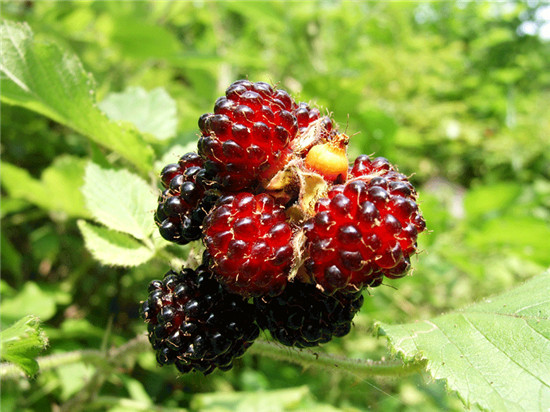
In the West, eating strawberries is regarded as fashionable; people treat strawberries as a miracle cure for preventing and treating cardiovascular disease and cancer, which shows that regularly eating strawberries is of great benefit to health. According to other relevant data, the vitamin C in strawberries can block the formation of the strongly carcinogenic substance ammonium nitrite in the human body, and can destroy the activity of the specific enzymes produced when cancer cells proliferate, causing "cancerous" cells to revert to normal cells.
Traditional Chinese medicine holds that strawberries have great medicinal value; their taste is sweet and their nature is cool, and they have effects such as stopping cough and clearing heat, soothing the throat and promoting fluid production, strengthening the spleen and harmonizing the stomach, and nourishing and supplementing blood. Medical research shows that strawberries have the unique effect of benefiting the heart and strengthening the brain, especially playing a major role in preventing and treating conditions such as coronary heart disease, cerebral hemorrhage and atherosclerosis. Research shows that strawberries have anti-cancer effects. Ellagic acid with relatively high anti-cancer activity, extracted from the roots, leaves and fruit of strawberries, can effectively protect human tissues from the damage of carcinogenic substances, thereby reducing the occurrence of cancer to a certain extent.
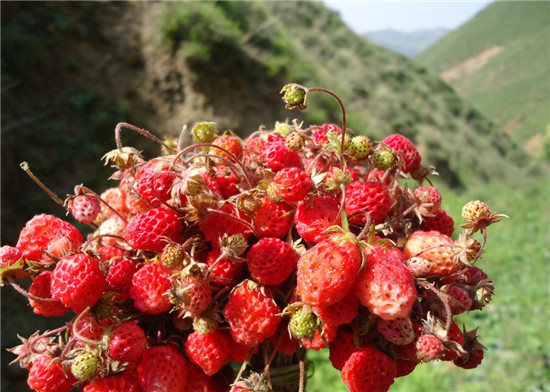
The above is all the content I have summarized for everyone on whether the green plant wild strawberry can be eaten. I hope this article can help everyone. Please also continue to follow us.