A Detailed Explanation of the Benefits, Effects, and Culinary Uses of Albizia julibrissin Bark
Albizia julibrissin bark is the dried bark of the leguminous plant Albizia julibrissin (Persian silk tree), appearing as curled tubes or half-tubes, 40-80 cm long and 0.1-0.3 cm thick. The outer surface is grayish-brown to grayish-brown. Its nature and flavor are sweet and neutral. It has the effects of relieving depression, harmonizing blood, calming the heart, and reducing abscesses and swelling. It is effective in treating restlessness of the mind, depression, insomnia, lung abscess, abscesses and swelling, scrofula, and tendon and bone fractures. It is a deciduous tree with an umbrella-shaped crown. Leaves are alternate, with corymbose inflorescences; the staminal filaments are thread-like, half white and half red, hence the names "horse tassel flower" and "velvet flower."
Benefits of Albizia julibrissin bark:
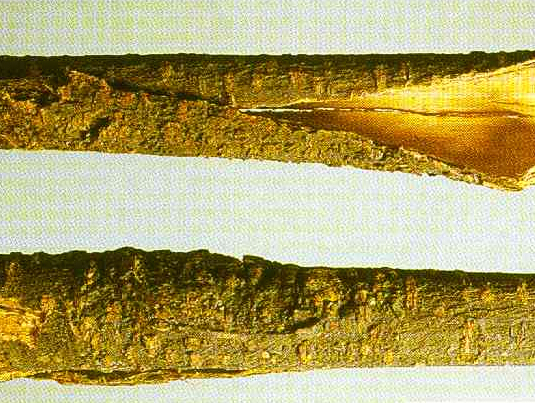
Calms the mind, relieves depression, invigorates blood, relieves pain, and reconnects tendons and bones. Used for restlessness of the mind, depression and insomnia, lung abscess, tendon and bone injuries, and hemorrhoid pain.
It is mainly used for neurasthenia patients with insomnia, depression, chest tightness, and poor appetite. Albizia julibrissin bark can be used together with Salvia miltiorrhiza (red sage), Caulis Polygoni Multiflori (fleeceflower stem), and Platycladus seed (arborvitae seed) in a decoction such as the Albizia Decoction, which has an antidepressant effect (roughly equivalent to stimulating the cerebral cortex), but because this herb is mild and weak in potency, it must be taken over a long period and in larger doses to be effective.
In addition, it is also used in orthopedics and traumatology to treat swelling and pain from bruises, especially suitable for chronic strain pain of joints and muscles, taking advantage of its blood-invigorating, swelling-reducing, and pain-relieving effects. It is combined with frankincense, myrrh, papaya, red peony root, and red dates, and taken as a decoction. Alternatively, Albizia julibrissin bark can be ground into powder and combined with Ampelopsis japonica root for topical application.
Effects of Albizia julibrissin bark:
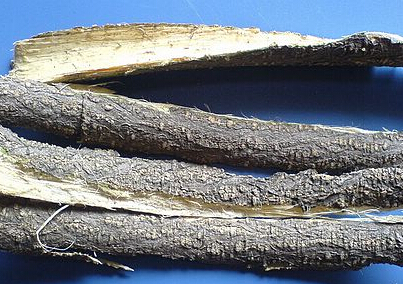
1. Anti-fertility effect. The cold water extract of Albizia julibrissin bark has a significant anti-fertility effect. Intra-amniotic administration can cause fetal atrophy, paleness, and termination of pregnancy in mid-pregnant rats. Under the action of Albizia julibrissin bark extract, the contraction tension and amplitude of human pregnant uterine strips are significantly increased, while the contraction frequency is significantly reduced. The effect of Albizia julibrissin bark is similar to oxytocin, but with a slower onset and longer duration. The anti-fertility active component of Albizia julibrissin bark is saponin. Subcutaneous injection of total saponins from Albizia julibrissin bark at 1.78 mg/kg has a significant anti-implantation effect, reducing the number of pregnant animals and normal embryos in rats, with a pregnancy termination rate of 86%. Administration on days 4-6 of pregnancy also has a significant anti-early-pregnancy effect, with a pregnancy termination rate of 40%. Intrauterine injection of total saponins from Albizia julibrissin bark can cause atrophy and death of fetal sacs in rats at 6-7 days of pregnancy, with a mortality rate of 88%. Intraperitoneal injection of 70 μg/kg (1/50 of the mouse LD50), once daily for 3 days, cannot increase uterine weight in immature female mice, indicating no estrogen-like activity. The bark of various plants of the same genus as Albizia julibrissin all have significant uterine-stimulating and abortion-inducing effects. For example, the triterpenoid saponins contained in Albizia chinensis can cause abortion in animals when administered during any stage of pregnancy, and have a significant excitatory effect on the uterus of guinea pigs or humans. The saponins contained in the bark of Albizia kalkora also have anti-implantation and anti-early-pregnancy effects in rats.
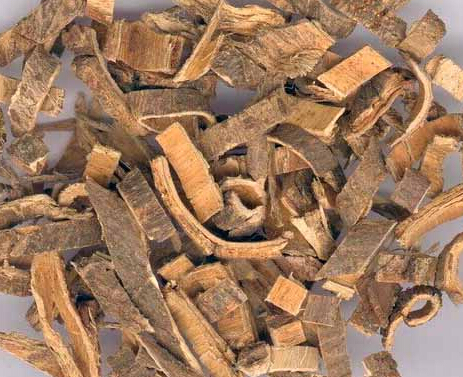
2. Anti-allergic effect. Oral administration of Albizia julibrissin bark decoction to rats can inhibit peritoneal mast cell degranulation, and in vitro tests show similar effects. Albizia julibrissin bark decoction can significantly inhibit the antigen (horse serum) sensitization process and antibody production process in rats. Its active component appears to be a heat-resistant water-soluble substance.
3. Anti-tumor effect. The polysaccharides contained in Albizia julibrissin bark have an inhibition rate of 73% against transplanted tumor S180 in mice.
4. Effect on blood pressure. Intravenous injection of albizia oxytocin into anesthetized animals can cause a transient decrease in blood pressure.
Culinary uses of Albizia julibrissin bark:
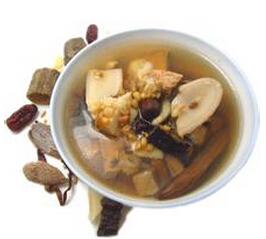
Albizia julibrissin Bark and Daylily Depression-Relieving Soup
Ingredients: Albizia julibrissin bark (or flower) 15 g, Poria cocos 12 g, Curcuma aromatica 10 g, Fructus Tritici Levis (light wheat) 30 g, Lilium brownii 15 g (available at Chinese herbal medicine shops), dried daylily 30 g, red dates 6, lean pork 150 g, ginger 2 slices.
Directions: Wash all medicinal ingredients, soak briefly, and remove the pits from the red dates. Wash and soak the dried daylily, then squeeze out the water. Wash the lean pork; no need to cut it. Place everything together with the ginger into a clay pot, add 2500 mL (10 bowls) of clean water. After bringing to a boil over high heat, reduce to low heat and simmer for about 2 hours, then add an appropriate amount of salt. For adjunctive therapy, it is best taken 3 times per week for 2-4 consecutive weeks.
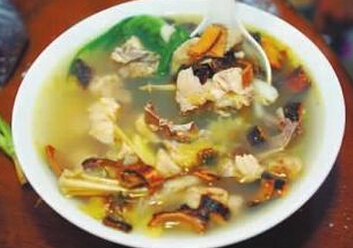
Albizia julibrissin Bark with Duck Heart and Sea Cucumber
Benefits: Suitable for people of all constitutions, diabetes, gastric ulcers, and aplastic anemia.
Ingredients: Albizia julibrissin flower 6 g, Albizia julibrissin bark 10 g, duck heart 250 g, rehydrated sea cucumber 500 g, 12 heads of bok choy, appropriate amounts of vegetable oil, soy sauce, MSG, cooking wine, cornstarch slurry, and sugar, and a little sesame oil.
Directions:
1. Decoct the Albizia julibrissin flower and bark twice, collect the liquid, combine, and filter.
2. Remove the old leaves from the bok choy, trim off the root with a knife, take 6 cm-long root sections, cut out the hearts, wash them, stir-fry in a hot oil wok for 25 seconds, add cooking wine and the albizia liquid, move the wok to medium heat and cook for about 10 minutes. Once the vegetables are tender, add MSG and flip once.
3. Blanch the sea cucumber briefly in boiling water and remove. Heat oil in a wok, saute chopped scallion, add cooking wine and soy sauce, pour in the albizia liquid, add the sea cucumber, then season with MSG, sugar, ginger juice, and salt to taste. Thicken with starch slurry, drizzle with oil, and remove from the wok.
4. Remove the heart and head from the duck hearts, wash and drain, score with a chrysanthemum cut, and coat well with cooking wine, salt, and starch. Heat a wok over high heat, add peanut oil and heat to 70% hot, add the coated duck hearts and separate them, and once cooked, remove. In another wok, add a small amount of oil, add the separated duck hearts, then pour in the prepared starch sauce, toss evenly, drizzle with sesame oil, and place in the center of a plate. Arrange the sea cucumber around it. Place the 12 cooked bok choy hearts in a radial pattern on top of the sea cucumber. Serve as a side dish.
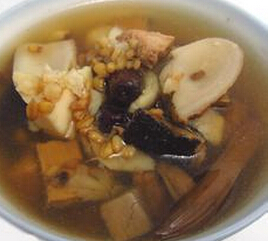
Albizia julibrissin Bark and Glehnia Lung-Clearing Soup
Composition: Astragalus 10 g, Pseudostellaria root 10 g, japonica rice 15 g, Glehnia littoralis root 10 g, Ophiopogon root 10 g, gypsum 20 g, Platycodon root 10 g, Coix seed 15 g, winter melon seed 30 g, Pinellia tuber 10 g, Bletilla striata 10 g, Albizia julibrissin bark 10 g, etc.
Indications: Asthma, lung abscess.
Usage: Red dates as a guiding ingredient, decocted in water.
Albizia julibrissin Bark Ephedra, Apricot, Licorice, and Gypsum Soup
Benefits: Treats by clearing and transforming phlegm-heat, harmonizing the middle, and calming the mind.
Composition: Ephedra 8 g, apricot kernel 15 g, raw gypsum 30 g, Scutellaria baicalensis 15 g, dried tangerine peel 9 g, bamboo shavings 10 g, Smilax glabra 30 g, Pinellia tuber 15 g, Poria cocos 12 g, Albizia julibrissin bark 30 g.
Usage: After 6 doses, sleep improved, able to sleep 3-4 hours per night, with occasional restlessness. The same prescription was continued for 1 month, and all symptoms disappeared.
Albizia julibrissin bark 10 g, duck heart 250 g, rehydrated sea cucumber 500 g, 12 heads of bok choy, appropriate amounts of vegetable oil, soy sauce, MSG, cooking wine, cornstarch slurry, and sugar, and a little sesame oil.Directions:
1. Decoct the Albizia julibrissin flower and bark twice, collect the liquid, combine, and filter.
2. Remove the old leaves from the bok choy, trim off the root with a knife, take 6 cm-long root sections, cut out the hearts, wash them, stir-fry in a hot oil wok for 25 seconds, add cooking wine and the albizia liquid, move the wok to medium heat and cook for about 10 minutes. Once the vegetables are tender, add MSG and flip once.
3. Blanch the sea cucumber briefly in boiling water and remove. Heat oil in a wok, saute chopped scallion, add cooking wine and soy sauce, pour in the albizia liquid, add the sea cucumber, then season with MSG, sugar, ginger juice, and salt to taste. Thicken with starch slurry, drizzle with oil, and remove from the wok.
4. Remove the heart and head from the duck hearts, wash and drain, score with a chrysanthemum cut, and coat well with cooking wine, salt, and starch. Heat a wok over high heat, add peanut oil and heat to 70% hot, add the coated duck hearts and separate them, and once cooked, remove. In another wok, add a small amount of oil, add the separated duck hearts, then pour in the prepared starch sauce, toss evenly, drizzle with sesame oil, and place in the center of a plate. Arrange the sea cucumber around it. Place the 12 cooked bok choy hearts in a radial pattern on top of the sea cucumber. Serve as a side dish.
Albizia julibrissin Bark and Glehnia Lung-Clearing Soup
Composition: Astragalus 10 g, Pseudostellaria root 10 g, japonica rice 15 g, Glehnia littoralis root 10 g, Ophiopogon root 10 g, gypsum 20 g, Platycodon root 10 g, Coix seed 15 g, winter melon seed 30 g, Pinellia tuber 10 g, Bletilla striata 10 g, Albizia julibrissin bark 10 g, etc.
Indications: Asthma, lung abscess.
Usage: Red dates as a guiding ingredient, decocted in water.
Albizia julibrissin Bark Ephedra, Apricot, Licorice, and Gypsum Soup
Benefits: Treats by clearing and transforming phlegm-heat, harmonizing the middle, and calming the mind.
Composition: Ephedra 8 g, apricot kernel 15 g, raw gypsum 30 g, Scutellaria baicalensis 15 g, dried tangerine peel 9 g, bamboo shavings 10 g, Smilax glabra 30 g, Pinellia tuber 15 g, Poria cocos 12 g, Albizia julibrissin bark 30 g.
Usage: After 6 doses, sleep improved, able to sleep 3-4 hours per night, with occasional restlessness. The same prescription was continued for 1 month, and all symptoms disappeared.