How to Grow Chaenomeles Cathayensis and Can Its Fruit Be Eaten
Chaenomeles cathayensis is a widely used plant in landscaping, and growing it as a potted plant in courtyards is now very popular too. The seeds, flowers, fruit and trunk of Chaenomeles cathayensis all have good value for use. Today, the editor will introduce how to grow Chaenomeles cathayensis and whether its fruit can be eaten. Let's take a look.
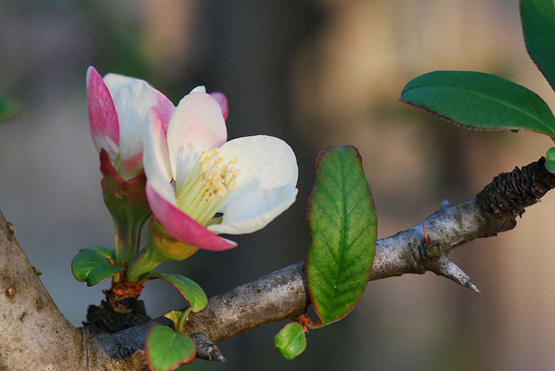
Chaenomeles cathayensis belongs to the genus Chaenomeles in the rose family (Rosaceae). It is a deciduous small tree, often with thorns; leaves are simple and alternate, with large stipules; flowers are solitary or clustered, often opening before the leaves; 5 sepals, colored; stamens numerous; petals 5, large; stamens 20 or numerous; ovary inferior, 5-loculed, with numerous ovules; pome fleshy, large. It grows on mountain slopes at forest edges or in valley forests, at an altitude of 800-1100 m. The fruit is used medicinally, with the effects of dispelling wind, regulating qi, relaxing muscles and tendons, and relieving pain. It is mostly cultivated in gardens for landscaping. This plant is also simply called mugua, but it is a different plant from the subtropical fruit papaya (also simply called mugua); although the differences are very great, they are still easily confused.
How to Grow Chaenomeles Cathayensis
Chaenomeles cathayensis is a plant of the genus Chaenomeles in the rose family (Rosaceae). It is a deciduous small tree, often with thorns; it likes warmth and has a certain degree of cold tolerance. It requires well-drained soil and is not tolerant of wet conditions, salt or alkaline soil.
Chaenomeles cathayensis is generally planted in the ground, but it can also be made into stump bonsai for pot cultivation. The best planting time is before bud break in early spring or after leaf drop in early winter. When seedlings leave the nursery, keeping the root system intact is one of the keys to survival after planting. Generally, large seedlings to be planted should have a soil ball, while small seedlings should retain some native soil depending on the situation. After planting, care and management should be strengthened, and the soil should often be kept loose and fertile.
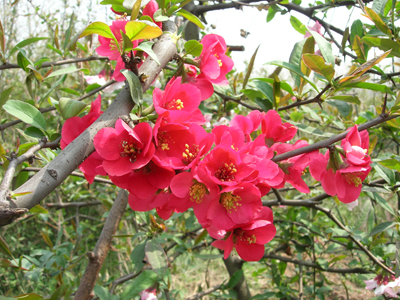
In case of spring drought, carry out 1-2 irrigations, and pay attention to controlling pests such as scarab beetles, leaf rollers, aphids, bagworms and red spider mites, as well as diseases such as rot disease and red star disease.
Can Chaenomeles Cathayensis Fruit Be Eaten
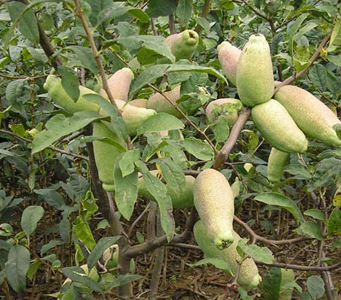
Chaenomeles cathayensis fruit can be eaten. It is non-toxic. It is very sour, and its shape is like a large green hawthorn. The skin is smooth, with no greasy feel. The skin is pale green, similar in color to loofah, and like loofah it has fibrous strands and a crisp texture.
1. Promoting body fluid and quenching thirst: Chaenomeles contains sugars, multiple vitamins and organic acids, which can help replenish the intracellular fluid of the human body, thus having the effect of promoting body fluid and quenching thirst;
2. Strengthening the spleen and improving appetite: The fruit of Chaenomeles is relatively rich in vitamins, organic acids and other substances, and can help the stomach and intestines digest food and drink, so it can be used to treat indigestion, food accumulation and abdominal distension;
4. Supplementing nutrition: Chaenomeles contains a large amount of nutrients essential to the human body, such as sugars, multiple vitamins, organic acids, etc., which can supply the body with nutrients and improve immunity.
Precautions for Growing Chaenomeles Cathayensis
1. In winter, after the leaves of Chaenomeles cathayensis fall, the plant should be pruned and shaped once, cutting off dead branches, weak branches and other branches that affect the shape, and keeping more strong branches, so that there will be abundant flowers and fruit the following year.
2. Chaenomeles cathayensis is cold-tolerant. In winter it can be left outdoors in a wind-sheltered, sunny spot to overwinter, and it is best to bury the flower pot in the ground. It can also be placed indoors at above 0°C. If the temperature is too high, the plant will sprout early, which is instead unfavorable for growth in the second year, so the maximum temperature should not exceed 10°C, so that Chaenomeles cathayensis can fully enter dormancy.
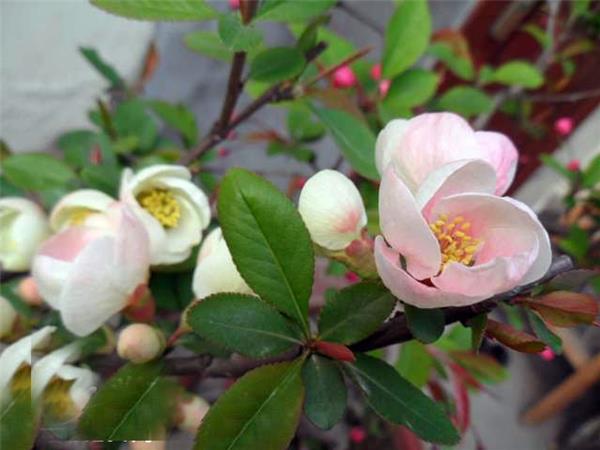
It is generally planted in the ground, but it can also be made into stump bonsai for pot cultivation. The best planting time is before bud break in early spring or after leaf drop in early winter. When seedlings leave the nursery, keeping the root system intact is one of the keys to survival after planting. Generally, large seedlings to be planted should have a soil ball, while small seedlings should retain some native soil depending on the situation. After planting, care and management should be strengthened, and the soil should often be kept loose and fertile. Every autumn and winter, a batch of pond mud or fertile soil can be replaced and banked around the root zone. After leaf drop and before bud break in early spring, carry out one pruning, cutting out dead and weak branches and diseased or pest-infested branches, so as to keep the crown open and allow ventilation and light penetration. To promote vigorous flowering, the water sprouts should be cut back to reduce nutrient consumption during sprouting, so that the remaining axillary buds can all obtain more nutrients and form more flowering and fruiting branches. Fruiting branches and intermediate branches do not need pruning. During the growing season, if the growing tips are pinched in time to limit vegetative growth early, the effect will be even more noticeable. For potted stump bonsai, this control should be applied even more so.
In case of spring drought, carry out 1-2 irrigations, and pay attention to controlling pests such as scarab beetles, leaf rollers, aphids, bagworms and red spider mites, as well as diseases such as rot disease and red star disease.
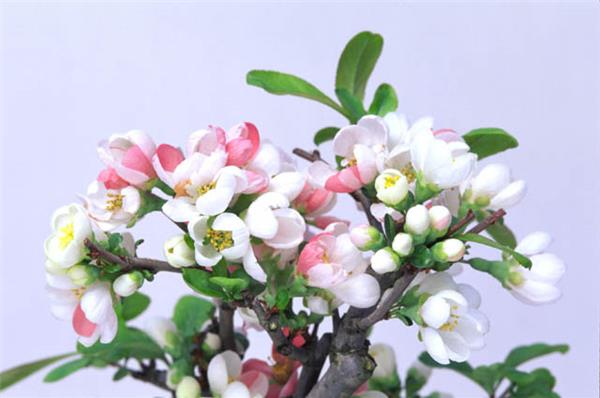
Often keep the soil loose and fertile. Every autumn and winter, a batch of pond mud or fertile soil can be replaced and banked around the root zone. After leaf drop and before bud break in early spring, carry out one pruning, cutting out dead and weak branches and diseased or pest-infested branches, so as to keep the crown open and allow ventilation and light penetration. To promote vigorous flowering, the water sprouts should be cut back to reduce nutrient consumption during sprouting, so that the remaining axillary buds can all obtain more nutrients and form more flowering and fruiting branches. Fruiting branches and intermediate branches do not need pruning. During the growing season, if the growing tips are pinched in time to limit vegetative growth early, the effect will be even more noticeable. For potted stump bonsai, this control should be applied even more so.
In case of spring drought, carry out 1-2 irrigations, and pay attention to controlling pests such as scarab beetles, leaf rollers, aphids, bagworms and red spider mites, as well as diseases such as rot disease and red star disease.