What are the benefits and effects of Patrinia scabiosifolia
Patrinia scabiosifolia is used in medicine as its rhizome and roots, and as the whole plant. In traditional Chinese medicine it belongs to the heat-clearing and detoxifying category of drugs; its nature is cool, and its taste is pungent and bitter. It enters the Liver, Stomach and Large Intestine meridians, and has the effects of clearing heat and detoxifying, and dispelling blood stasis and expelling pus. Modern pharmacology holds that it contains volatile oil, patrinia saponins and beta-sitosterol glucoside, and has anti-inflammatory, antibacterial, sedative, liver-protecting and cardiotonic-diuretic effects.
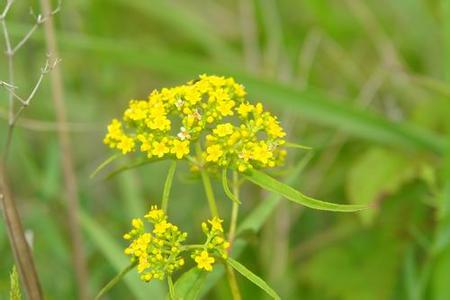
The benefits and effects of Patrinia scabiosifolia
Other names for Patrinia scabiosifolia: Ixeris denticulata, bitter vegetable, Jie Tuo Lian, small bitter lettuce, bitter-leaf sprout, Patrinia, bitter hemp vegetable, yellow rat grass, small bitter chicory, blood-activating herb, Xian Xue Dan, small bitter cress, bitter ding vegetable, bitter saucer, smooth-leaf Ixeris, Yan Er Yi.
Nature, taste and meridian entry: slightly cold; pungent, bitter; enters the Stomach, Large Intestine and Liver meridians
Functions and indications: Clears heat and detoxifies, dispels blood stasis and expels pus. Used for appendicitis, dysentery, enteritis, hepatitis, conjunctivitis, postpartum abdominal pain from blood stasis, and carbuncles, swellings and boils.
Usage and dosage: Oral use: decocted in water, 10-15 g (30-60 g of fresh material). External use: an appropriate amount of fresh material, pounded and applied.
[Precautions]
Contraindications: Use with caution in those with weak spleen and stomach and in pregnant women. During menstruation, people with a cold-deficient constitution should not take it.
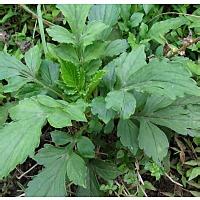
Effects and actions:
1. Patrinia scabiosifolia (yellow-flowered) has an inhibitory effect on Staphylococcus aureus, Shigella dysenteriae, Salmonella typhi, Pseudomonas aeruginosa and Escherichia coli;
2. It also has antiviral effects, can promote the regeneration of liver cells, prevent degeneration of liver cells, and improve liver function when used in large amounts;
3. It can also cause temporary leukopenia and dizziness, nausea; the ethanol extract or volatile oil of yellow-flowered Patrinia has a marked sedative effect;
4. Clears heat and detoxifies, dispels blood stasis and expels pus, used for appendicitis, dysentery, enteritis, hepatitis, conjunctivitis;
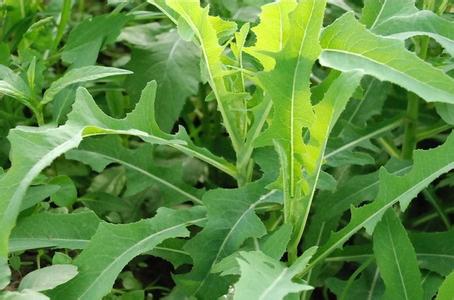
Pharmacological effects
Anti-pathogen.
(1) Antibacterial: both species of Patrinia have a certain antibacterial effect, and have a marked attenuating effect on endotoxin.
(2) Antiviral: yellow-flowered Patrinia has a significant inhibitory effect on Coxsackie virus and respiratory syncytial virus. Its sulfur-containing glycosides have a significant inactivating effect on HIV.
Sedative.
Yellow-flowered Patrinia has a marked sedative and hypnotic effect, more than twice as strong as the classical Western sedative valerian. The active components of its sedative and hypnotic effects are mainly the volatile oil, patrinene and isopatrinene. Patrinia saponins also have sedative and hypnotic effects.
Liver protection and bile promotion.
It can promote the regeneration of liver cells, prevent degeneration of liver cells, and has a relatively good effect of protecting the liver and lowering transaminases. The decoction of yellow-flowered Patrinia can promote bile secretion.
Raising white blood cells and immunity.
Yellow-flowered Patrinia has a marked effect of raising white blood cells and enhancing the phagocytic action of macrophages. When used together with cyclophosphamide, it can protect the bone marrow, markedly increase nucleated cells, and markedly reduce the decrease in peripheral white blood cell count.
The ethanol extract of the stem of Patrinia rupestris can enhance the phagocytic action and cytotoxicity of mouse peritoneal macrophages, and can increase the percentage of ANAE-positive lymphocytes.
Intraperitoneal injection of Mutouhui (Patrinia heterophylla) can markedly enhance the phagocytic action of mouse peritoneal macrophages. It can also significantly enhance the cytotoxic action of macrophages. It markedly enhances the killing effect of mouse peritoneal macrophages on S180.
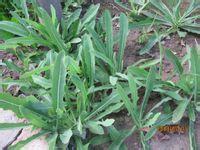
Anti-tumor.
Mutouhui (Patrinia heterophylla) has a significant anti-tumor effect. Its inhibition rate against human cervical cancer cells is 100%. Electron microscopy observation shows that its tumor-inhibiting action is a direct killing effect. It has a marked inhibitory effect on Ehrlich ascites carcinoma. Its water extract has a significant cytotoxic effect on leukemia cells.
How to eat Patrinia scabiosifolia:
Lysimachia christinae congee
Ingredients: fresh Lysimachia christinae 60 g, japonica rice 50 g, rock sugar 15 g
Usage: Wash the Lysimachia christinae, decoct in water and take the juice; rinse the japonica rice clean, pour in the medicinal juice, add an appropriate amount of water, simmer into congee, add rock sugar and stir until dissolved, and eat as desired.
Patrinia scabiosifolia soup
Materials: Patrinia scabiosifolia 30 g, honeysuckle stem 20 g, peach kernel 10 g, coix seed 30 g.
Method: Decoct in water, take in 2-3 divided doses per day.
Effects: Mainly treats acute appendicitis of the damp-heat type: fever, worsening abdominal pain, refusal of pressure, dry mouth with desire to drink, red lips, constipation, short yellow urine, red and crimson tongue body, yellow greasy coating, slippery and rapid pulse.
Cold-dressed Patrinia scabiosifolia
Materials: tender Patrinia leaves 500 g, refined salt, monosodium glutamate, soy sauce, sesame oil.
Method: Remove impurities from the tender Patrinia leaves and wash them clean, blanch them thoroughly in a pot of boiling water, take them out and wash in clean water to remove the bitter taste, squeeze dry, chop and put in a plate, add refined salt, monosodium glutamate, soy sauce and sesame oil, and mix well when eating.
Effects: This dish contains a variety of nutrients. "The Orthodox Meaning of Materia Medica" records: "This herb has a stale odor, hence it is named Baijiang (spoiled sauce). It can clear heat and dissipate nodules, promote water metabolism and reduce swelling, break blood stasis and expel pus." This dish is suitable for intestinal abscess, dysentery, red and white vaginal discharge, red swollen and painful eyes and other conditions. Because it is rich in vitamins, it can keep people healthy and less prone to illness.
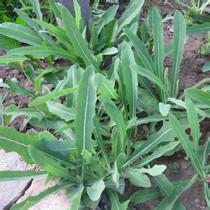
Patrinia scabiosifolia and Anemarrhena fish ball soup
Materials: a handful of Patrinia scabiosifolia, Anemarrhena 5 g, snakehead fish 500 g, cooking wine one small spoon, appropriate amounts of ginger slices and scallion sections, pepper powder, salt 5 g, rice vinegar 5 g, clear water 3000 g
Method:
1. Wash the snakehead fish, remove bones and skin, add cooking wine, salt and ginger slices and scallion sections, and blend into fish paste for later use;
2. Soak the Patrinia scabiosifolia in lightly salted water for half an hour for later use;
3. Add enough clear water to a clay pot, add the Anemarrhena and cook over high heat until boiling, then drop in the fish balls;
4. After all the fish balls float, add the washed Patrinia scabiosifolia and bring to a boil again;
5. Add salt, rice vinegar and pepper powder to season, and it is ready to drink;
6. When drinking, add salt and pepper to season and it is ready to drink.
Health tips:
1. This soup is especially suitable for people with internal heat and intestinal dryness, and constipation in spring.
2. For all the ingredients of this soup, except the Anemarrhena which needs to be picked out, the bitter vegetable can be eaten together with the fish balls.
3. Patrinia scabiosifolia, that is, bitter vegetable, does not need to be cooked too long, otherwise it will reduce the taste and nutrition of the food.