What are the benefits, effects, and ways to eat wild chrysanthemum?
Many people like to cook with chrysanthemum or brew it as tea, but everyone also knows that chrysanthemum is a plant with a great many varieties. Generally speaking, it can be divided into cultivated chrysanthemum and wild chrysanthemum. Cultivated chrysanthemum is what we usually use for brewing tea or for ornamental purposes, while wild chrysanthemum has relatively notable medicinal benefits. So what are the benefits and effects of wild chrysanthemum, its contraindications, and ways to eat it? Let us take a look:
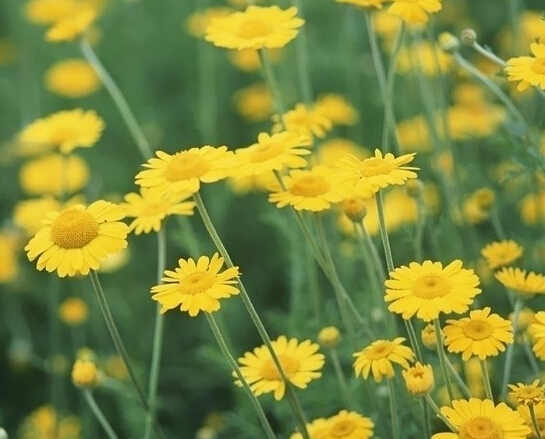
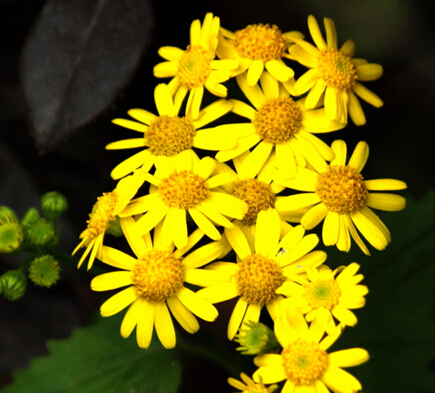
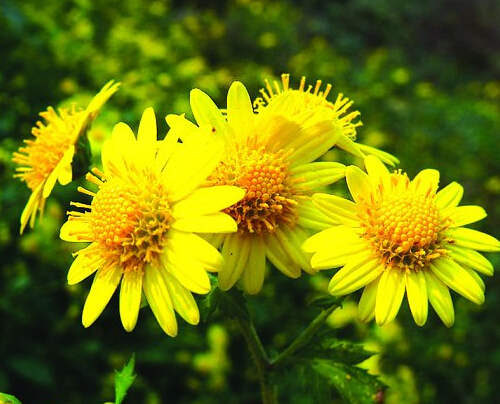
The capitulum of wild chrysanthemum resembles that of chrysanthemum in appearance. It grows wild on hillsides, grasslands, field edges, roadsides, and other wild areas. The best quality is yellow in color, without stems, intact, aromatic, and with flowers not fully open. The inflorescence is nearly spherical, 0.3-1 cm in diameter, and brownish yellow. The involucre is composed of 4-5 layers of bracts. There is one row of ligulate flowers, yellow, shrunken and curled. There are many tubular flowers, deep yellow. It is light in weight. The aroma is fragrant and the taste is bitter.
Benefits of wild chrysanthemum:
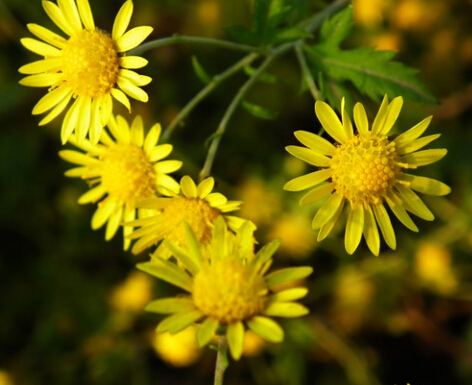
Wild chrysanthemum has the benefits of clearing heat and removing toxicity, dispelling wind, and cooling the liver. It mainly treats boils, carbuncles, scrofula, erysipelas, eczema, scabies and tinea, wind-heat common cold, sore and swollen throat, dizziness and headache, red and painful eyes, hypertension, and so on. According to the Zengguang Bencao Gangmu: "Chuzhou produces wild chrysanthemum. The locals pick its core and dry it; it is about the size of half a mung bean, very fragrant and light, and bright yellow. It is second to none for eliminating toxicity, dispersing treatment, dispelling wind, clearing fire, and improving eyesight."
Effects of wild chrysanthemum:
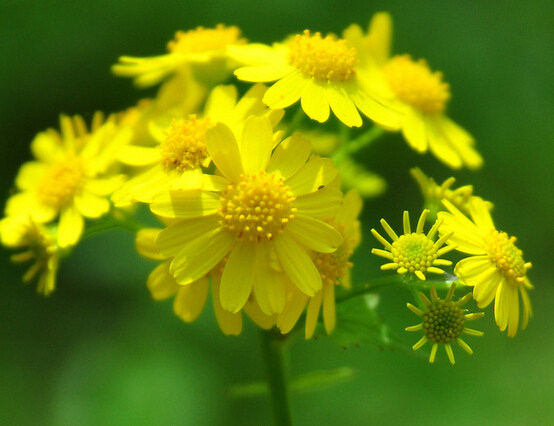
1. It has the effect of clearing heat and removing toxicity, and is suitable for carbuncles, erysipelas, sore and swollen throat due to upward attack of fire-heat, wind-fire red eyes, and other conditions.
2. Mashed and applied topically, it has the effect of clearing heat and removing toxicity. It can also be combined with honeysuckle, dandelion, Viola yedoensis, and others to enhance the effect of clearing heat and removing toxicity.
3. At the early stage of wind-heat common cold, with symptoms such as fever, aversion to wind and cold, or sweating and headache, nasal congestion with turbid discharge, cough with yellow and thick phlegm, and sore throat, it can be decocted alone. Or it can be combined with mulberry leaf, forsythia, honeysuckle, and others to dispel wind, clear heat, and remove toxicity.
Ways to eat wild chrysanthemum:
1. Wild chrysanthemum with minced garlic
Ingredients: 250 g wild chrysanthemum, 20 g garlic (white skin), 1 g monosodium glutamate, 2 g salt, 5 g sesame oil, 3 g white sugar
Method: Peel the garlic, wash it, and pound it into minced garlic for later use. Remove impurities from the tender stems and leaves of wild chrysanthemum, wash them clean, blanch them in boiling water, remove and soak them in cold water, rinse to remove the bitter taste, remove after 30 minutes and drain, cut into sections and put into a plate, pour over the minced garlic and sesame oil, then sprinkle with refined salt, monosodium glutamate, and white sugar, mix well, and serve. What to eat for beauty
Health-preserving dietary effect: This dish contains a variety of nutrients and has the effect of clearing heat and removing toxicity. People with deficiency-cold of the spleen and stomach should avoid eating this dish.
2. Stir-fried sliced pork with wild chrysanthemum
Ingredients: 300 g wild chrysanthemum, 450 g pork (fat and lean), 5 g yellow wine, 5 g salt, 2 g monosodium glutamate, 5 g soy sauce, 5 g scallion, 3 g ginger. What to eat for beauty
Method:
1. First remove foreign matter from the tender stems and leaves of wild chrysanthemum, wash them clean with clear water, put them into a boiling water pot and blanch briefly, remove, and directly wash them in clear water to remove the bitter taste, squeeze out the water, cut into shreds with a knife, put into a plate, and set aside.
2. Soak the pork in clear water, wash it clean, cut it into slices with a knife, put into a bowl, add cooking wine, refined salt, monosodium glutamate, soy sauce, chopped scallion, and shredded ginger, and marinate for a while.
3. Take a pot, scrub and wash it clean with clear water, place it on the fire, heat it, add peanut oil, and after it is hot, pour in the pork and stir-fry until it absorbs the flavor, add the wild chrysanthemum and stir-fry until it absorbs the flavor, add monosodium glutamate, stir-fry a few times, take it out of the pot, and it is ready to eat.
3. Chrysanthemum and bean root soup
Ingredients: 90 g dandelion, 90 g wild chrysanthemum, 90 g northern bean root, 25 g white sugar
Method: Add an appropriate amount of water to the northern bean root, wild chrysanthemum, and dandelion, decoct for about 20 minutes, filter out the liquid, add white sugar, and stir well. It is ready.
Dietary contraindications of wild chrysanthemum:
There are also contraindications to the use of wild chrysanthemum. People who often have stomach pain or often have abdominal pain, which in traditional Chinese medicine is called deficiency-cold of the spleen and stomach or deficiency-cold of the middle burner, should not use wild chrysanthemum. In short, if there are no heat signs, especially if there are signs of deficiency-cold, do not use it. Which symptoms belong to heat signs? Four words: red, swollen, hot, painful. If these four words apply, wild chrysanthemum can be used. If it is not red, not swollen, not hot, and not painful, and belongs to yin patterns, it must never be used.
In addition, there is another very important point: wild chrysanthemum is slightly cold in nature. Long-term use or excessive dosage in ordinary people can damage the yang qi of the spleen and stomach, so it should not be taken for a long time. This is because wild chrysanthemum is different from chrysanthemum; it is a prescribed medicinal herb for us. Unlike chrysanthemum, everyone can drink chrysanthemum water and chrysanthemum tea. Wild chrysanthemum is bitter and cold, and bitter-cold damages the stomach and spleen, so once the illness is better, it should be stopped immediately.
In addition, pregnant women should not use wild chrysanthemum either.
Side effects of wild chrysanthemum:
Chrysanthemum easily becomes moldy and gets worms. The quality of chrysanthemum on the market is uneven. Some chrysanthemum has processing problems and is fumigated with sulfur. How to choose chrysanthemum:
1. Chrysanthemum with too bright and too beautiful a color should not be chosen; it may have been fumigated with sulfur. Chrysanthemum fumigated with sulfur has a sulfur smell after being brewed with boiling water. Choose fresh chrysanthemum that has a calyx, preferably a greenish calyx.
2. Chrysanthemum with a dull color should also not be chosen. This kind of chrysanthemum is old and aged, and has been damp, and may also have grown mold. Eating such chrysanthemum is harmful to the body.
3. Touch it with your hand. Soft and smooth chrysanthemum is better. If the petals are not messy and do not fall off, it indicates that the chrysanthemum was picked just after blooming.
4. The quality of chrysanthemum in vegetable markets is not guaranteed. Chrysanthemum in large hospitals or large pharmacies has independent packaging, turns over quickly, and is checked by pharmacists. Relatively speaking, the quality is guaranteed.
People with stomach cold and pale complexion should not eat chrysanthemum. For other healthy people, eating 3 to 5 g of chrysanthemum at a time, twice a day, is enough. Chrysanthemum tea should not be drunk for a long time. Do not drink chrysanthemum tea continuously for more than two months. If loose stools or pale complexion appear during this period, stop.
If it is not red, not swollen, not hot, and not painful, and belongs to yin patterns, it must never be used.In addition, there is another very important point: wild chrysanthemum is slightly cold in nature. Long-term use or excessive dosage in ordinary people can damage the yang qi of the spleen and stomach, so it should not be taken for a long time. This is because wild chrysanthemum is different from chrysanthemum; it is a prescribed medicinal herb for us. Unlike chrysanthemum, everyone can drink chrysanthemum water and chrysanthemum tea. Wild chrysanthemum is bitter and cold, and bitter-cold damages the stomach and spleen, so once the illness is better, it should be stopped immediately.
In addition, pregnant women should not use wild chrysanthemum either.
Side effects of wild chrysanthemum:
Chrysanthemum easily becomes moldy and gets worms. The quality of chrysanthemum on the market is uneven. Some chrysanthemum has processing problems and is fumigated with sulfur. How to choose chrysanthemum:
1. Chrysanthemum with too bright and too beautiful a color should not be chosen; it may have been fumigated with sulfur. Chrysanthemum fumigated with sulfur has a sulfur smell after being brewed with boiling water. Choose fresh chrysanthemum that has a calyx, preferably a greenish calyx.
2. Chrysanthemum with a dull color should also not be chosen. This kind of chrysanthemum is old and aged, and has been damp, and may also have grown mold. Eating such chrysanthemum is harmful to the body.
3. Touch it with your hand. Soft and smooth chrysanthemum is better. If the petals are not messy and do not fall off, it indicates that the chrysanthemum was picked just after blooming.
4. The quality of chrysanthemum in vegetable markets is not guaranteed. Chrysanthemum in large hospitals or large pharmacies has independent packaging, turns over quickly, and is checked by pharmacists. Relatively speaking, the quality is guaranteed.
People with stomach cold and pale complexion should not eat chrysanthemum. For other healthy people, eating 3 to 5 g of chrysanthemum at a time, twice a day, is enough. Chrysanthemum tea should not be drunk for a long time. Do not drink chrysanthemum tea continuously for more than two months. If loose stools or pale complexion appear during this period, stop.