How to care for a snake plant? Save this care guide
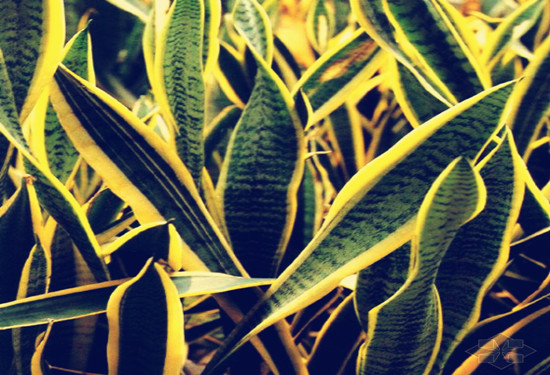
Snake plant is also known as tiger skin plant and thousand-year plant. The snake plant (Sansevieria) originates from the arid regions of Africa and southern Asia. It is highly adaptable, prefers warm and humid conditions, tolerates drought, and likes light while also tolerating shade. When growing a snake plant, since it is not demanding about soil, you should choose a sandy loam with good drainage. Common cultivated varieties include: golden-edged snake plant, short-spiked snake plant, and onion-leaf snake plant.
Editor's picks: How to care for the happiness tree, the legend of wisteria flowers, methods and steps for making your own small potted plants
[Click the image to learn more details]
Snake plant division propagation:
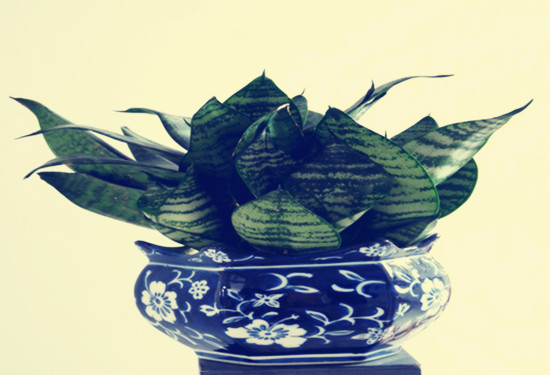
Each spring after the temperature rises, divide the plant while repotting. That is, take the whole plant out of the pot, remove the old potting soil, expose the rhizome, and cut it along its growth direction into several sections, so that each section contains at least 3-4 mature leaves, then plant them separately in new potting soil.
[Click the image to learn more details]
Snake plant cutting propagation:
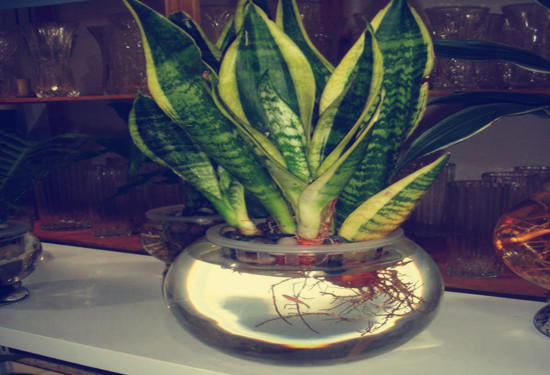
This can be done whenever the temperature is above 15°C. Cut mature leaves crosswise into segments 7-8 cm long, use each as a cutting, let them dry slightly, then insert them into river sand. Maintain a certain humidity, but it should not be too wet, to avoid rot. After about one month, adventitious buds and adventitious roots can grow from the cut end, forming new plants.
[Click the image to learn more details]
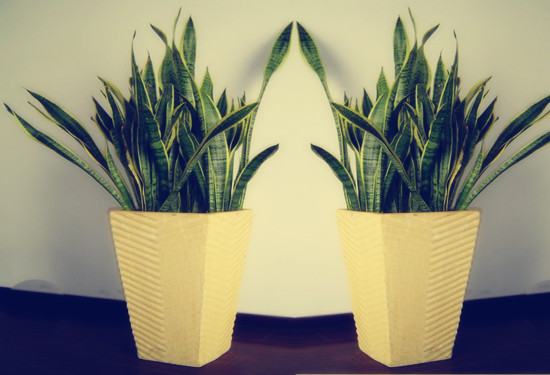
For potted snake plants, use an equal mix of leaf mold and garden soil with a small amount of decomposed base fertilizer as the growing medium. It grows well under conditions of sufficient light. Apart from avoiding direct harsh sunlight in midsummer, it should receive plenty of sunlight in the other seasons; if placed in a too-dark indoor spot for too long, the leaves will become dull and lack vitality.
[Click the image to learn more details]
In addition, if it has been kept indoors for a long time, it should not be moved suddenly into direct sunlight. It should first be moved to a brighter spot and given time to adapt before being exposed to sunlight, so that the leaves do not get scorched. Watering should be moderate, following the principle of preferring dry over wet. Usually wipe dust from the leaf surface with clean water to keep the leaves clean and shiny. In spring, when new plants sprout at the root crown, water a little more to keep the potting soil moist.