What are the effects and benefits of lavender?
Lavender has a very wide range of uses. Besides its beautiful appearance, which gives it excellent ornamental value, it can also be used to extract essence for making perfume and to make sachets. Lavender can also be used medicinally, and it is a good nectar plant. Lavender was already a fairly common herb in Roman times, and because it has the most benefits, it is called the "queen of herbs." So what exactly are the effects and benefits of lavender? Below, the editor explains in detail.
>>Click the image to learn more
The effects of lavender are as follows:
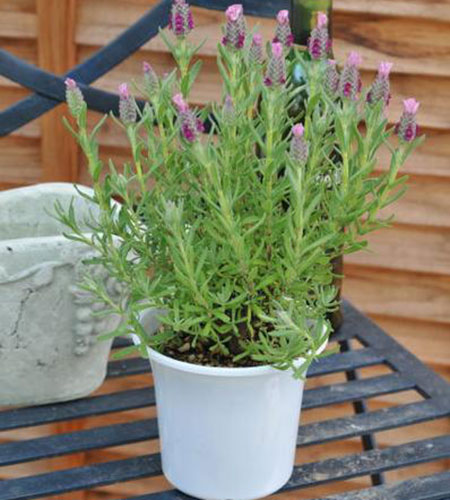
The whole plant is aromatic, and the fragrance remains unchanged after the plant is dried; the flowers can also be made into sachets. Its fragrance can refresh the mind and brighten the eyes, make people comfortable, and also drive away mosquitoes and flies. Placing a few dried sprigs in a wardrobe or bookcase can repel insects and prevent moth damage, with the fragrance lasting for several years without fading. In 1999, lavender was selected as the annual herb by the International Herb Association. Lavender has almost no pests or diseases, so there is no need to spray pesticides.
>>Click the image to learn more
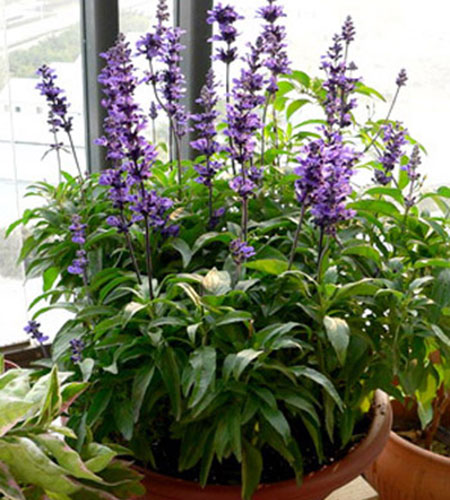
Lavender also has the reputation of being an "aromatic medicinal herb." It is suitable for any skin type, promotes cell regeneration, accelerates wound healing, improves acne, abscesses, and eczema, balances sebum secretion, has remarkable effects on burns, scalds, and sunburn, and can inhibit bacteria and reduce scars. Since ancient times, it has been widely used in medicine; both the stems and leaves can be used as medicine, with the effects of strengthening the stomach, inducing sweating, and relieving pain, making it a good remedy for colds, abdominal pain, and eczema.
>>Click the image to learn more
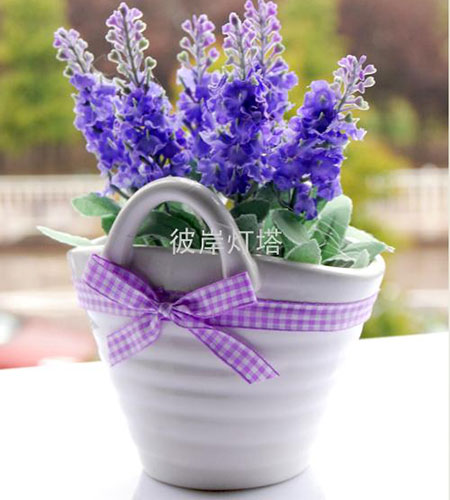
Lavender is used to make pillows. In folk medicine, lavender has good effects on pain, stroke, paralysis, and more. Because of its beautiful color and captivating fragrance, lavender has gradually moved beyond the category of traditional medicinal herbs. When a person sleeps, the warmth of the head causes the active ingredients of the medicine in the pillow to slowly release fragrance that gathers within about a chi around the pillow; through absorption of the medicine by the oral and pharyngeal mucosa and the skin, it achieves the effects of unblocking qi and blood and treating illness by inhaling fragrance, letting you enjoy health-preserving benefits while you sleep.
>>Click the image to learn more
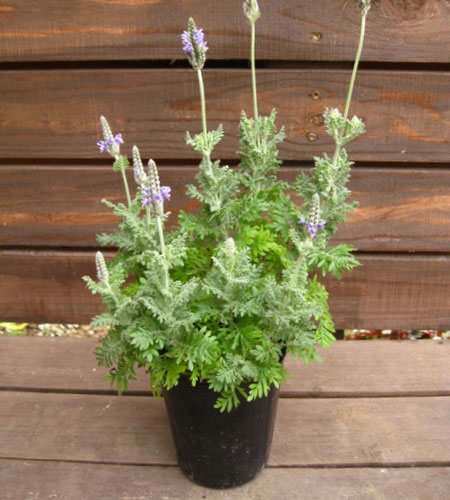
In terms of food use, besides being brewed into tea, lavender has long been known by Europeans for its stomach-strengthening function, so it is often added during cooking as a seasoning, or mixed into vinegar, wine, and jelly to add fragrance; sauces made with lavender are especially flavorful, and it is said that Queen Elizabeth I of England was a loyal fan of it.
>>Click the image to learn more
The benefits of lavender essential oil are:
Its antispasmodic properties significantly improve respiratory system disorders, help gastrointestinal metabolism, ease intestinal colic and gastrointestinal bloating, activate the immune system, stimulate white blood cell proliferation, lower blood pressure, have a certain sedative effect, and at the same time improve discomforts such as scanty menstrual flow and painful menstruation, and clearly help with joint pain, muscle spasms, and muscle fatigue.