How to propagate kalanchoe by cuttings? A detailed method guide
Kalanchoe is relatively easy to grow and has beautiful flowers, making it very suitable for display on floral stands. Because kalanchoe sets few seeds, or even none at all, cuttings are used for propagation in production. Below, the editor introduces the specific steps and requirements of the kalanchoe cutting method.
Editor's picks: How to grow jasmine | Cyclamen growing tips
[Click the image to learn more]
Kalanchoe cutting method one: choosing the season
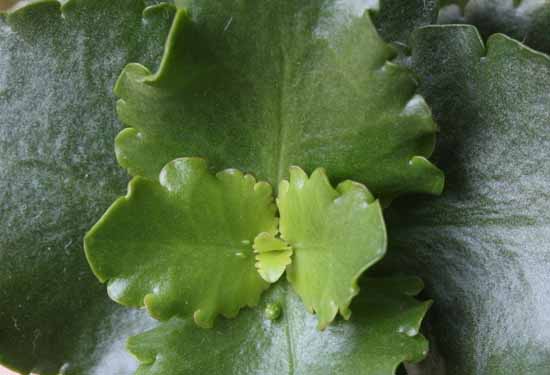
Leaf cuttings of kalanchoe can be done throughout the year, but summer and autumn are best. Before cutting, prepare the cutting bed; the cutting medium is fine river sand or well-drained sandy loam.
[Click the image to learn more]
When taking cuttings, first cut a length of stem from the mother plant, use a blade to cut off the leaves along the base of the petiole, rinse the cut surface with fresh tap water, then place it in a ventilated, shady spot. After the sap at the wound has dried, insert the cutting diagonally into the medium to a depth of 2-3 cm. After inserting, press the medium firm, then water, and spray the cuttings and the surrounding area once with a 50% wettable powder.
[Click the image to learn more]
Kalanchoe cutting method two: requirements for different time periods
On the second day after cutting kalanchoe, spray the cuttings once with a mixture of 0.1% sucrose and urea. Because kalanchoe is a succulent plant with a high water content, it should not be watered too frequently at ordinary times; overly wet medium easily causes root rot, so water usually once every 2-3 days. In rainy weather, take care to prevent rain exposure. Roots will form in about half a month, and after 3-4 weeks the callus tissue at the base of the petiole can grow small adventitious buds. After the buds emerge from the soil, spray once with a mixture of 0-2% monopotassium phosphate and sucrose.

[Click the image to learn more]
After that, spray a 0.5% foliar nutrient solution for flowers once every 10 days. After a month and a half, the plants can be potted up and transplanted. A well-drained, loose, fertile sandy loam is best for the potting soil. After potting, water once every 2-3 days. In winter, if the temperature is below 5°C, move the plants indoors to overwinter.