How to care for potted flowers in winter? Master these technical points
When autumn is about to end, potted plants need to be handled so that they can overwinter without being affected by frost damage. In early winter, potted flowers accumulate nutrients and differentiate flower buds. At this critical time, overwintering management of potted flowers is very important. Below is an introduction to the technical points for potted flowers in winter.
Editor's recommendations: How often should a cactus be watered? What feng shui effects does a cactus have? What is the flower language of carnations?
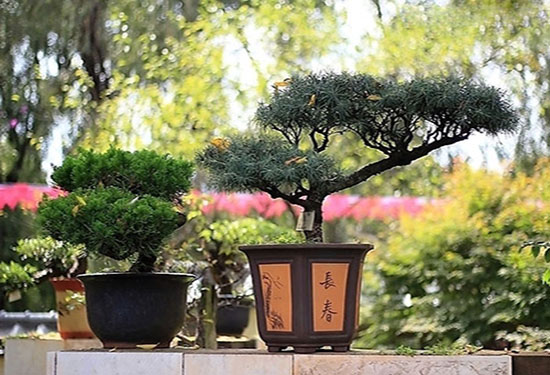
Introduction to the technical points for handling potted flowers in winter:
1. Cold protection for flowers is determined by their growth habits and temperature requirements. In winter, flowers stop growing.
a. For those entering dormancy, such as Chinese roses and lotus, they must be placed in a space of at least 3 degrees or above.
b. For semi-dormant flowers, such as gardenia and camellia, a temperature of at least 5°C must be guaranteed.
c. For plants that do not go dormant and continue growing, such as begonias and carnations, a greenhouse space of 8-10 degrees or above is needed for cultivation.
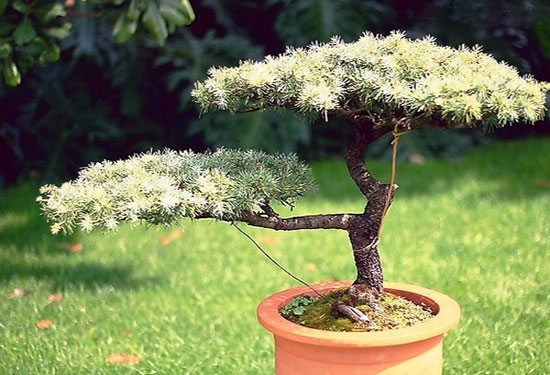
2. Fertilizing plants in winter cannot be ignored. If the potting soil is dry, water it promptly after fertilizing. In addition, foliar feeding can be carried out together with pesticide spraying to supplement flower nutrition. Commonly used topdressing includes 0.5% urea, 1% superphosphate, and 0.3% potassium sulfate.
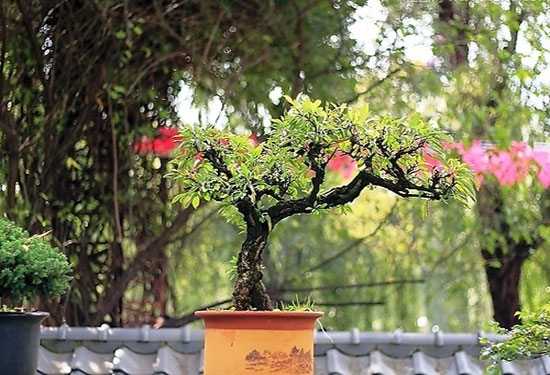
3. In winter, pesticides should also be sprayed on potted flowers. Low temperatures relatively reduce pests and diseases, but prevention is still indispensable. Focus on preventing and controlling leaf perforation disease, aphids, red spiders, leaf miners, and other pests and diseases. Generally, 50% carbendazim 800-fold solution plus 40% dimethoate emulsifiable concentrate 1500-fold solution, or 50% thiophanate wettable powder 600-fold solution plus 40% isocarbophos 1000-fold solution and other agents can be used for control.
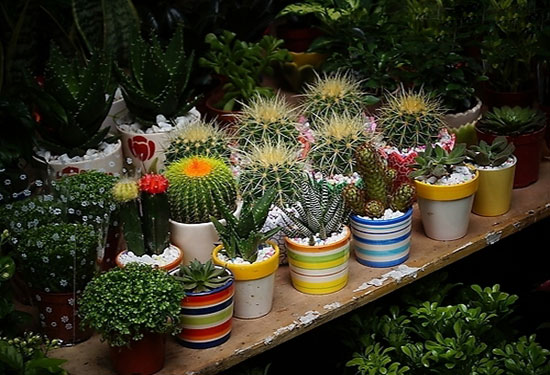
4. Plants should also be pruned in winter. Pruning flower branches during the dormant period can promote more sprouting of branches, flowering, and fruiting the following year. For perennial vine flowers, cut out overly dense branches, overlapping branches, and diseased and pest-infested branches. For shrubs grown for ornamental branches and trunks, such as red-twig dogwood, choose new shoots near the main framework branches for heavy short pruning to encourage the growth of new branches.
5. Finally, there is the soil issue. Plant roots need to breathe, so the soil only needs to be loose, breathable, fertile, and well-draining.