How to Grow Geraniums: Geranium Growing Tips
Geraniums, also known as zonal geraniums or pelargoniums, originated in southern Africa and are widely cultivated around the world. Next, let us take a look at how to grow geraniums and geranium growing tips.
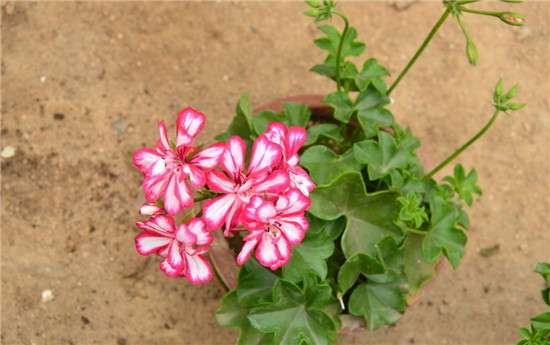
Geraniums, also known as pelargoniums, fish geraniums and so on, are perennial herbaceous plants of the family Geraniaceae. They have a long flowering period; except when the summer weather is hot, they can bloom from October until the following spring from April to May. The flowers are brilliant in color and come in many varieties, making them excellent potted flowers. They like a warm climate and fertile, loose soil, are drought-tolerant and afraid of waterlogging, and grow poorly during the hot high-temperature period of midsummer, entering a semi-dormant state.
For potted geraniums, the potting soil can be made from leaf mold mixed with an appropriate amount of sand and rice husk ash, plus a small amount of bone meal. The pot should be changed once a year, replacing the soil with fresh growing medium to promote growth and flowering. Repotting is best done from mid-August to early September. Before repotting, the plant should first be pruned and reshaped, and repotting should wait until the potting soil and the cut surfaces are dry. When repotting, appropriately trim away some of the longer and excess fibrous roots. Every year in mid-to-late April, move the plants outdoors to a well-ventilated, sunny spot for care.
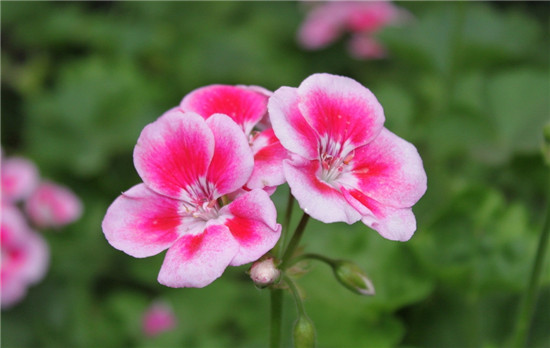
To keep them blooming continuously, apply dilute decomposed cake fertilizer water frequently, generally once every 10 days. Normally, watering does not need to be excessive. Otherwise, it will cause the leaves to turn yellow, the plant to grow poorly, and healthy flower buds will not form. As for watering, generally water again when the leaf tips begin to wilt, and water thoroughly each time. From late June to early August, the climate is hot and geraniums are in a semi-dormant state, so fertilization should be stopped and watering controlled.
High temperatures, direct sunlight and water accumulation in the pot after rain will all affect the dormancy of geraniums, and can even cause root rot and death. Therefore, during the dormant period, place them on a shaded balcony, windowsill, or in a courtyard spot that avoids light and is sheltered from rain. Doing so can also shorten the dormancy period.
Soil Selection for Growing Geraniums
For potted geraniums, the growing medium can be made by mixing 4 parts humus soil, 3 parts garden soil (or peat soil), 2 parts river sand (or perlite), and l part organic fertilizer; it can also be prepared by mixing fine sandy soil, humus soil, perlite and organic fertilizer. Potted geraniums need to be repotted in autumn.
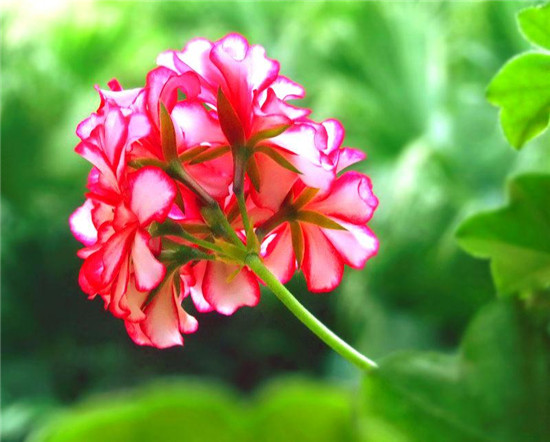
Fertilization Methods for Growing Geraniums
During the growth period, apply liquid fertilizer once every 10-15 days, and during the vigorous growing seasons of spring and autumn, apply liquid fertilizer once every 7-10 days; before flower buds appear, mainly use nitrogen fertilizer, and after buds appear, mainly use phosphorus and potassium fertilizer, with a concentration of 0.1%-0.2% being appropriate. If the indoor temperature in winter is relatively high and growth has not stopped, fertilizer should also be applied. During the high-temperature period in summer, the plant is in a semi-dormant state and fertilization should be stopped. Because its stems and leaves have fine hairs, rinse immediately with clean water after fertilizing.
Watering Methods for Growing Geraniums
Watering should be appropriate, preferring dry over wet. During the peak growing seasons of spring and autumn, provide sufficient water to keep the potting soil consistently moist, but not waterlogged; on cold overcast days, generally do not water or fertilize; in summer, water less. In the north, the high-temperature season coincides with the rainy season; during this period the plant's root system is relatively weak, so excessive rainwater irrigation should be avoided; consecutive rainy days will cause root rot, so place the plant in a shaded, cool, high and dry, well-ventilated spot. In winter, water according to the indoor temperature; water less when the room temperature is low, and more when the room temperature is high. Geraniums have a fairly strong drought tolerance and will not die of dryness after several days without watering, but the old leaves will turn yellow and fall off.
Watering should follow the principle of watering when dry and stopping when wet; overly wet potting soil easily causes root rot, while overly dry potting soil easily causes the leaves to turn yellow and wither. From June to July, the plant is in a semi-dormant state, so watering should be strictly controlled. In summer, spray water frequently to lower the temperature and keep the potting soil moist, and also pay attention to ventilation and light transmission. In winter, water sparingly.
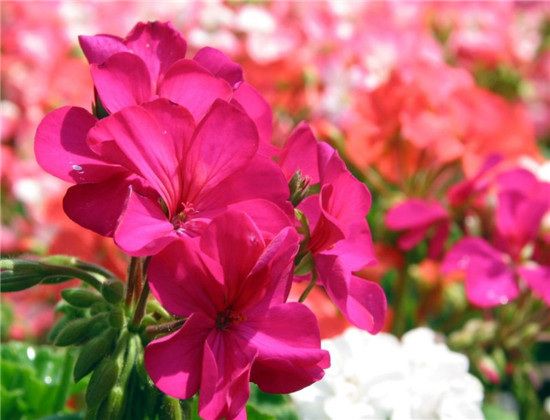
Temperature Requirements for Growing Geraniums
Geraniums like warmth, dislike high temperatures, and are afraid of cold. The suitable temperature for geranium growth is 15-25°C, and indoors in winter a temperature of 10°C should be maintained. Below 3°C they are prone to cold damage, but some varieties can tolerate low temperatures of 0°C. In summer, when the temperature exceeds 35°C, they enter a semi-dormant state.
Light Requirements for Growing Geraniums
Under direct sunlight they grow robustly, with dark green leaves, short internodes, and a graceful plant shape. But when summer light is too strong, 30%-50% shading is needed. For home growing, place them in a spot with direct sunlight during all three seasons of autumn, winter and spring; when in bloom they can be moved indoors for viewing, but after flowering they should still be placed in a spot with light. They like abundant sunlight; when light is insufficient, they will not bloom; during the flowering period, avoid direct strong light, otherwise the petals will scorch and wither and are prone to falling off.
Turn the pot once a week so that the leaf surfaces receive light evenly. Keep the plant shape well-balanced. In summer, place it in a cool spot and avoid scorching sunlight. In winter, the room temperature should not be lower than 5°C, and give it plenty of light.
The above is the full content of the geranium growing methods and geranium growing tips I have summarized for everyone. I hope this article can help you. Please also continue to follow us.
Keep the plant shape well-balanced. In summer, place it in a cool spot and avoid scorching sunlight. In winter, the room temperature should not be lower than 5°C, and give it plenty of light.The above is the full content of the geranium growing methods and geranium growing tips I have summarized for everyone. I hope this article can help you. Please also continue to follow us.