How to eat Dendrobium? Sharing several common ways to eat it
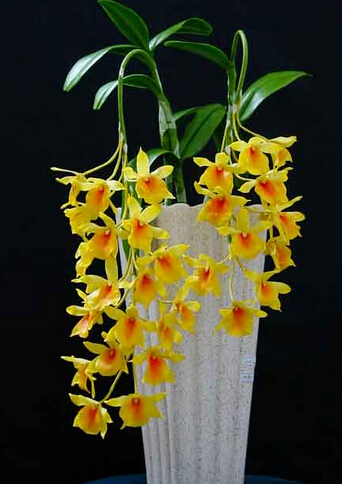
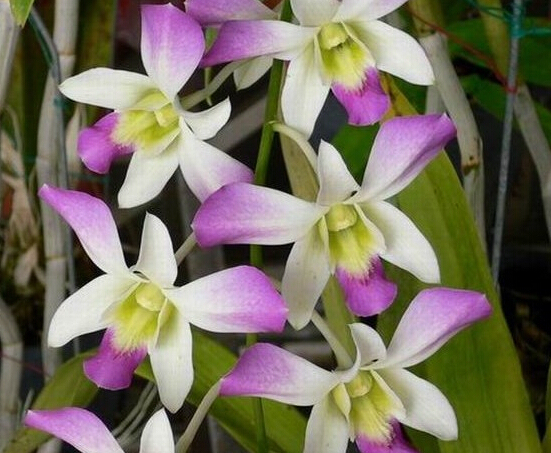
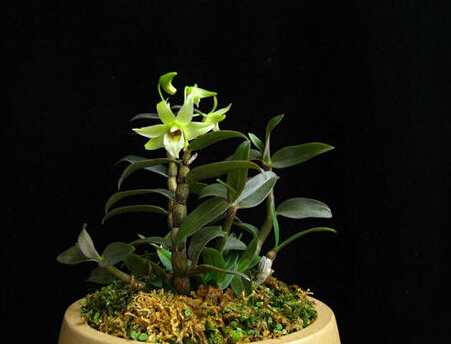
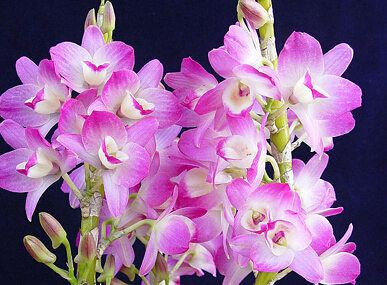
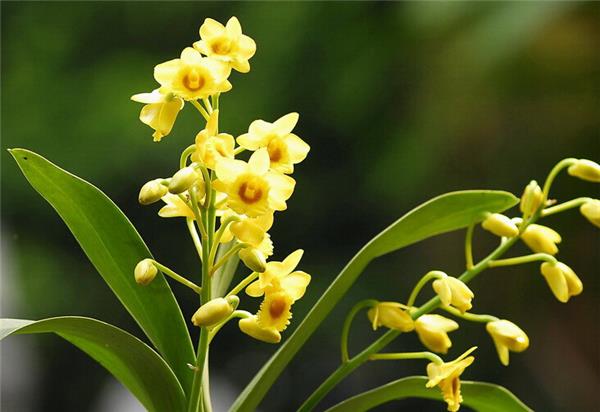
Dendrobium, also known as Wan Zhang Xu, Diao Lan, Lin Lan, Jin Chai Hua, etc. The stems are erect, fleshy and thick, slightly flattened cylindrical, 10-60 cm long, up to 1.3 cm thick. It is a medicinal plant, sweet and bland with a slightly salty taste, cold in nature, entering the Stomach, Kidney, and Lung meridians. It benefits the stomach and promotes fluid production, nourishes yin and clears heat. It is used for yin damage and fluid depletion, dry mouth and excessive thirst, poor appetite and dry retching, residual heat after illness, and blurred vision. The Dendrobium flower is elegant in posture, exquisite and lovely, with bright colors and a fragrant scent, and is praised as one of the "four great ornamental foreign flowers."
How to eat Dendrobium:
Method 1: Eat fresh - Take some fresh Dendrobium officinale, wash it, and chew it carefully in the mouth. It tastes sweet with a slight stickiness, fresh and refreshing, and the remaining residue can be swallowed. (Effects: strengthens yin and benefits essence, opens the appetite and strengthens the spleen.)
Method 2: Decoct as soup - Wash and chop or crush, add water to a pot, and first simmer over low heat for 30 minutes, then add 1-2 grams of American ginseng and cook for another 30 minutes. It can be decocted repeatedly and eaten together with the residue. The modern famous physician Zhang Xichun said: "Dendrobium officinale is the most resistant to prolonged decoction; it should be split open and decocted first to obtain its true flavor." (Effects: tonifies deficiency and nourishes yin, clears heat.)
Method 3: Brew as tea - After washing, cut into thin slices, brew with boiling water and drink. It can be brewed repeatedly and eaten together with the residue. (Effects: opens the appetite and strengthens the spleen, reduces internal heat and regulates qi, with a significant effect on chronic pharyngitis.)
Method 4: Make into paste - Wash and chop or crush, add other Chinese medicinal materials, add water and decoct for the juice. Decoct twice, discard the residue, then concentrate over low heat, add rock sugar, and continue simmering into a paste for consumption. (Effects: has a significant effect on symptoms such as strain and weakness, multiple joint pains, fatigue, and frequent night sweats.)
Method 5: Soak in liquor - Wash, chop, and crush, then soak alone or together with other materials in liquor above 40 degrees. It can be consumed after 3 months. (Effects: tonifies the kidney and nourishes yin, generates essence and dispels wind.)
Method 6: Add to meals - Wash and chop or crush, then simmer together with chicken, duck, and other ingredients over low heat for 2-3 hours, and eat together with the residue. Alternatively, decoct over low heat and take the juice for later use; it can be added to other ingredients to make porridge, soup, or stew. (Effects: nourishes yin and promotes fluid production, resists deficient heat, mild sweating, and common symptoms of physical weakness such as soreness and pain in the muscles and bones.)
Method 7: Juice it - For friends who find it inconvenient to chew, it can be juiced with a juicer and drunk directly with warm water. (Effects: strengthens yin and benefits essence, opens the appetite and strengthens the spleen.)
Effects of Dendrobium:
The Shennong Bencao Jing from the Qin and Han periods records that Dendrobium officinale "governs injuries of the middle, removes obstruction, directs qi downward, tonifies the five viscera in deficiency and emaciation, strengthens yin, and with long-term use thickens the stomach and intestines." The Daozang, a Daoist medical classic written more than a thousand years ago, lists Dendrobium officinale as the first of the "nine great immortal herbs of China." Li Shizhen, in the Bencao Gangmu, evaluated Dendrobium officinale as "strengthening yin and benefiting essence, thickening the stomach and intestines, tonifying internal exhaustion and insufficiency, calming stomach qi, promoting muscle growth, benefiting the intellect and removing fright, lightening the body and prolonging life." Folk tradition calls it the "life-saving immortal herb." The stem of modern Dendrobium officinale can clear heat and promote fluid production, reduce inflammation and relieve pain, and soothe the throat, with a very good effect on treating hoarseness. Dendrobium has a good effect in resisting fatigue and tolerating hypoxia. In pharmacies, Dendrobium officinale comes in many varieties and at low prices, and is often substituted with water plants. In China, only a few major brands can offer genuine Dendrobium officinale, represented by the two old brands Fulenmen Dendrobium officinale and Tongrentang, which are the most authentic. Tongrentang is the most expensive, with relatively beautiful packaging, suitable for giving as gifts.
Actions of Dendrobium:
Stomach yin deficiency and heat disease with damage to fluids. This product is good at nourishing stomach yin, promoting fluid production and relieving thirst, and can also clear stomach heat. It mainly treats heat disease with damage to fluids, excessive thirst, dry tongue with black coating, and is often used together with Trichosanthes root, fresh Rehmannia, Ophiopogon, and other items, such as the method of clearing heat and preserving fluids in the Shibing Lun. To treat stomach duct pain, swollen and painful gums, and mouth and tongue sores due to stomach heat and yin deficiency, it can be used together with Rehmannia, Ophiopogon, Scutellaria, and other items.
Kidney yin deficiency pattern. This product can also nourish kidney yin and mildly reduce deficient fire, and is suitable for blurred vision, weak and flaccid sinews and bones, and yin deficiency with fire hyperactivity, steaming bone and consumptive fever and other patterns due to kidney yin depletion. For kidney yin depletion with blurred vision, it is often used together with Goji berry, prepared Rehmannia, Dodder seed, and other items, such as Shihu Yeguang Wan (Yuanji Qiw ei). For kidney yin depletion with weak and flaccid sinews and bones, it is often used together with prepared Rehmannia, Cornus, Eucommia, Achyranthes, and other items that tonify the liver and kidney and strengthen sinews and bones. For kidney deficiency with hyperactive fire and steaming bone and consumptive fever, it is suitable to use together with raw Rehmannia, Goji berry, Phellodendron, Picrorhiza, and other items that nourish kidney yin and reduce deficient heat.
Precautions for eating Dendrobium:
1. Precautions for using Dendrobium officinale together with other medicinal materials
In prescriptions, when Dendrobium officinale is decocted and consumed together with other Chinese medicinal materials, it should be decocted in advance for 30 minutes or more, and then decocted together with the other Chinese medicinal materials so as to exert its medicinal effect. When using Dendrobium officinale, it must not be used together with gypsum, croton, stiff silkworm, omphalia, etc., otherwise adverse consequences may occur.
2. Quantitative change leads to qualitative change; this is an unchanging principle through the ages. Everything has a certain limit, and once this limit is not reached or is exceeded, things will change. The use of Dendrobium officinale is the same. Dendrobium officinale is a Chinese herbal medicine, and when used, it has a certain dosage range. The general dosage for the dry product is between 6-12 g, and for the fresh product generally between 15-32 g. When using Dendrobium officinale, too small a dosage will affect the exertion of its medicinal effect. Too large a dosage will cause harm to the body.
3. Precautions after eating Dendrobium officinale
Eating radish strengthens intestinal movement and achieves the effect of promoting bowel movement and "venting." However, Dendrobium officinale that has entered the stomach and intestines needs time to be slowly absorbed and digested. If radish is eaten after eating Dendrobium officinale, the intestines will not be able to effectively absorb the components of Dendrobium officinale, and the effects of treating disease, preventing disease, and health preservation will not be achieved. Mung bean affects the effects of other edible items on the human body. If mung bean products are eaten after eating Dendrobium officinale, it will inhibit the positive effects of Dendrobium officinale on the human body, thus greatly reducing the effects of Dendrobium officinale.