How to Water Potted Aloe Vera: Watering Methods for Potted Aloe Vera
Aloe vera is a perennial succulent herbaceous plant of the Liliaceae family. Although aloe vera is easy to grow, there are still things to pay attention to, such as not overwatering it. Next, let's take a look at how to water aloe vera.
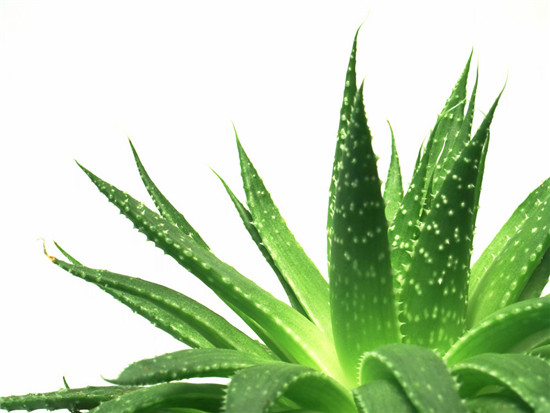
Aloe vera is a perennial succulent herbaceous plant of the Liliaceae family with a great many varieties. Because it is relatively easy to grow and has skin-care and medicinal benefits, it is widely loved. Although aloe vera is easy to grow, there are still things to pay attention to, such as not overwatering it. Aloe vera is a plant that tolerates drought and fears waterlogging, so it should not be watered too much, otherwise it is prone to symptoms such as root rot. How should potted aloe vera be watered, and what should be done if aloe vera is overwatered?
Transplanting aloe vera seedlings: When the small aloe vera is about 5-8 cm, it can be transplanted. When transplanting, directly cut or snap off the small aloe vera. It can have roots or no roots; if it has no roots, they will grow out after a few days. Plant the snapped-off small aloe vera in moist soil and place it in a dark place for 3-5 days. The temperature should be moderate. After that, it can be moved out, because roots will have already formed below. It is best not to transplant in winter. Small aloe vera is relatively weak, and the survival rate of winter transplanting is relatively low. Spring, summer and autumn are all fine.
Transplanting aloe vera that has grown for many years: Small aloe vera will also grow from its roots. Transplanting method: use a small knife to dig out the young plant together with the soil, and transplant it with the soil into a prepared pot. Keep the potting soil neither dry nor wet (moist), and the survival rate is extremely high.
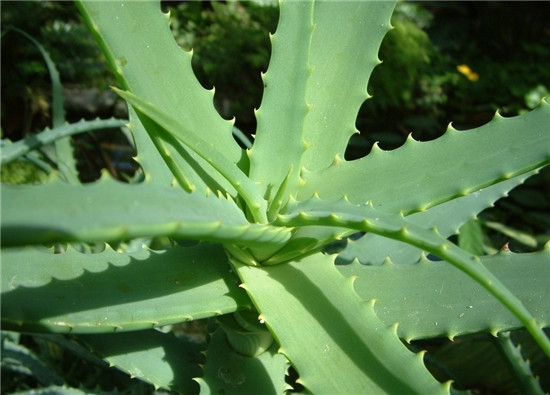
Watering potted aloe vera is related to the season
In spring, when the temperature is 15-25°C, the frequency of watering can be appropriately increased, generally watering once every 5-7 days. Follow the principle of not watering when the soil is not dry, and watering thoroughly when it is dry, so that the potting soil is both dry and moist.
In summer, the temperature is relatively high and evaporation is high, so it needs to be watered once every 2-3 days. In addition, in the morning and evening each day, water can be sprayed on the aloe vera leaf surface. This can keep the aloe vera leaf surface emerald green and increase its ornamental value. In summer, potted aloe vera should also be protected from too much exposure to the scorching sun, to reduce water loss from the potting soil and the plant.
In autumn, watering aloe vera is basically similar to spring. Sometimes it is better to water less, and water again after the potting soil lacks water, rather than keeping the potting soil in a state of excessive water saturation for a long time, which causes insufficient oxygen and difficulty breathing in the roots of potted aloe vera and leads to the death of the aloe vera plant.
In winter, when the room temperature is low, water as little as possible, generally watering once every 15-20 days. If needed, leaf surface spraying can be used to keep the potting soil appropriately dry, which helps the aloe vera plant survive the winter safely.
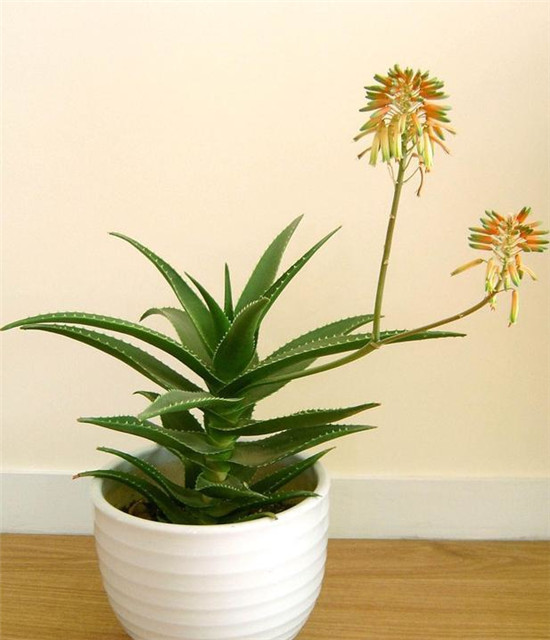
What to do if aloe vera is overwatered
Aloe vera's leaves are thick, fleshy and juicy, storing a lot of water, so under normal circumstances there is no need to worry about it suffering from drought, and it does not need to be watered too frequently. There are quite a few points to pay attention to when watering, especially for a plant like aloe vera that is not tolerant of waterlogging. Briefly speaking, two points should be noted. The first is to water thoroughly. Watering thoroughly does not mean watering a lot, but rather letting water soak into the soil. Do not overwater just to make water enter deep into the soil. Pay attention to what is appropriate. How do you tell what is appropriate? Here, the second point should be noted.
Water when dry and let it dry when wet, that is, on the soil surface there should be slightly moist places, but do not let the whole surface or a large area appear moist. For aloe vera, as long as the soil has not begun to crack, there is no major problem. After watering, a few scattered moist spots are enough. Overwatering aloe vera will affect the permeability of its soil. If the soil is too wet, it will not only reduce the air in it and cause the roots to carry out anaerobic respiration and produce alcohol, but will also further make the soil more acidic. Some bacteria such as butyric acid bacteria will grow unchecked, thereby producing harmful substances and further causing root rot.
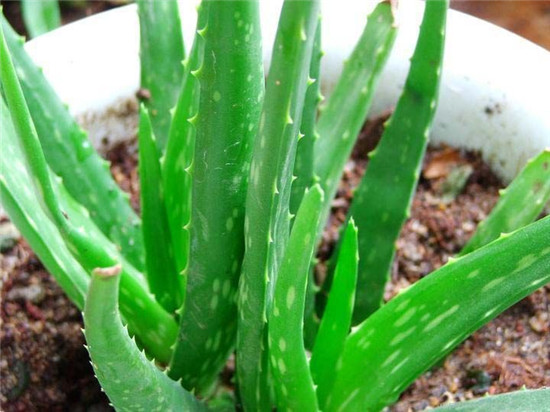
If overwatered, different periods have different solutions. If it is accidentally overwatered in the early stage, the aloe vera should immediately be moved into soil with suitable moisture, or taken out so that the water can disperse as quickly as possible. If, because the amount of water is not known, it has been overwatered for a long time, and it is only discovered when the aloe vera begins to turn yellow or rot, then dealing with it is relatively troublesome.
Tea-colored patches or tea-colored rot on aloe vera leaves are early symptoms of rot. At this time, watering should be stopped and the plant allowed to slowly recover. If there is no improvement after a few days or the spots enlarge, it means the roots have already begun to rot, and it should be dealt with promptly. Take the plant out and transplant it into dry soil. During transplanting, pay attention to the condition of the roots and be sure to remove the roots that have already rotted.
If the leaves turn yellow or large areas rot and shrivel, it is necessary to remove the rotted leaves and roots, then air-dry them in a dry place for one to two days, and then replant them in new soil. After replanting, be careful not to water. You can spray a small amount of water on the soil so that it is only slightly moist.
The above is all the content I have summarized for everyone on how to water potted aloe vera and the watering methods for potted aloe vera. I hope this article can help everyone. Please also continue to follow us.
Deal with it promptly. Take the plant out and transplant it into dry soil. During transplanting, pay attention to the condition of the roots and be sure to remove the roots that have already rotted.If the leaves turn yellow or large areas rot and shrivel, it is necessary to remove the rotted leaves and roots, then air-dry them in a dry place for one to two days, and then replant them in new soil. After replanting, be careful not to water. You can spray a small amount of water on the soil so that it is only slightly moist.
The above is all the content I have summarized for everyone on how to water potted aloe vera and the watering methods for potted aloe vera. I hope this article can help everyone. Please also continue to follow us.