Detailed Guide to the Cultivation Methods and Tips for the Lipstick Plant
The lipstick plant is a popular indoor potted plant that is very easy to keep alive and grow. Next, let's take a look at the cultivation methods for the lipstick plant.
Spider plants are seen by many as a "beautiful girl." Their most striking feature is that the leaves grow very lushly, long and slender, like a beautiful girl's flowing hair, swaying with the spring breeze and feeling smooth and even to the touch. There are many varieties of spider plants on the market.
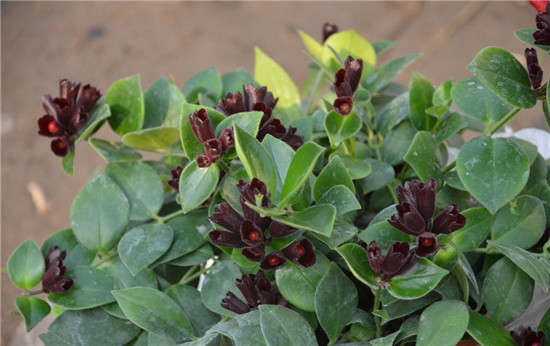
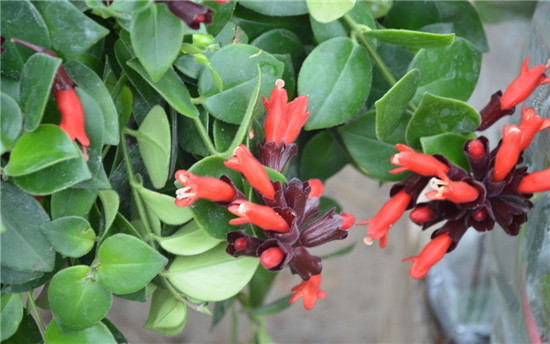
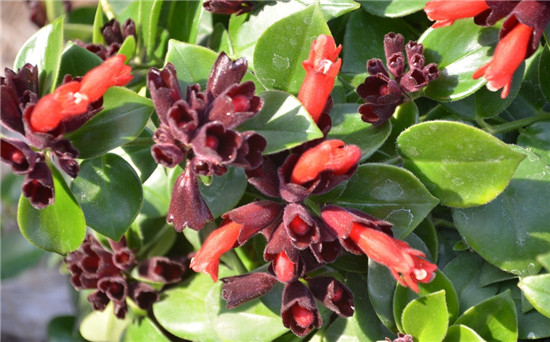
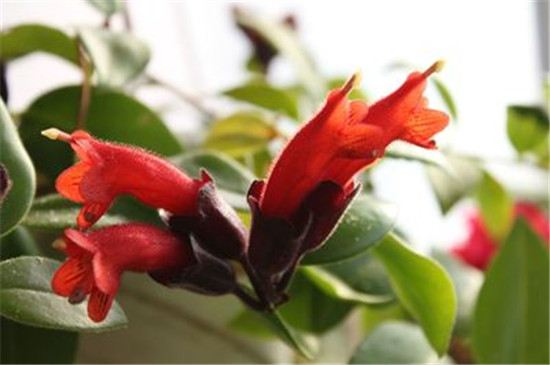
The lipstick plant, also known as flame violet, is a perennial evergreen trailing herbaceous flower of the genus Aeschynanthus in the family Gesneriaceae. Its leaves are ovate and opposite, slightly fleshy. The inflorescences are mostly axillary or terminal, and their shape closely resembles a lipstick; the calyx is tubular, much like the tubular casing of a lipstick, which is why it is called the "lipstick plant." Its deep green leaves paired with bright red, unusual corollas make it much loved, and it is an excellent choice among hanging flowering plants for the home.
The lipstick plant is a type of spider plant, named for its leaves that closely resemble a lipstick in shape. It has a gorgeous appearance and is relatively easy to grow, and it is not prone to pests and diseases, making it a very good subject for pot cultivation.
So, what are the cultivation methods and points to note for the lipstick plant?
1. Suitable soil: For the lipstick plant, loose and fertile sandy loam is best, and drainage must be good. For potting soil, slightly acidic soil is preferable; you can use a potting mix made from peat soil, sand and vermiculite, with an appropriate amount of superphosphate added.
2. Light: It likes a semi-shaded environment. Apart from the intense light at midday in midsummer, which should be appropriately shaded, it should be given sufficient light at other times, especially in winter. If the placement spot has light that is too strong or insufficient, the leaves will easily turn pale green or yellow-green.
3. Temperature: The lipstick plant should be placed in a cool, well-ventilated spot, and attention should be paid to maintaining environmental humidity. Avoid continuous high temperature and high humidity; poor drainage and ventilation will cause rot. The lipstick plant is not cold-tolerant and needs to be brought indoors to overwinter.
4. Watering frequency: The potting soil should be kept moist most of the time, but never allow water to accumulate in the pot, as this can cause root rot. From March to September, during the peak growth period, the plant needs more water, so water and mist it frequently to increase humidity; in autumn, as the weather gradually turns cool, gradually reduce the amount of watering and fertilizing. In winter, the potting soil should be kept slightly dry.
5. Pruning tips: When growth is vigorous, you can pinch off the growing tips appropriately to encourage branching. After the flowering period ends in winter, promptly cut off the spent stems that have flowered; this saves nutrients, promotes new shoots, and helps the plant produce more buds and flowers.
Points to Note in the Cultivation Methods for the Lipstick Plant
During the flowering period of the lipstick plant, attention should be paid to applying less nitrogen fertilizer, increasing the intensity of indoor light, and keeping the room temperature relatively low, which helps promote flowering. In addition, another point to note is that after the flowering period ends in winter, the spent stems that have flowered should be promptly cut off; this way the lipstick plant can save nutrients and promote new shoots.
The above is the complete content of the cultivation methods and cultivation tips for the lipstick plant that I have summarized for everyone. I hope this article can help you. Please also continue to follow us.