Flower Planting Methods and Daily Care Tips
In today's society with advanced material and spiritual development, aren't many people cultivating flowers to refine their character? Today, the editor will introduce flower planting to everyone.
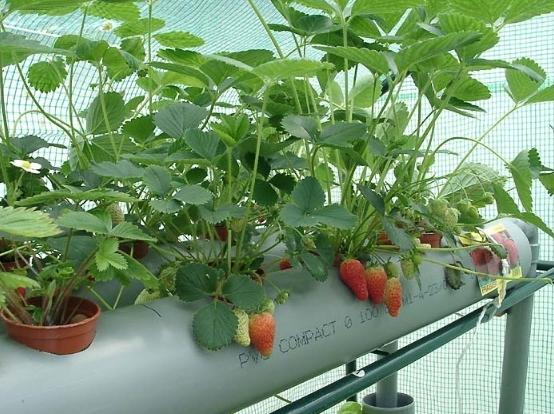
First, let me introduce how to cultivate and manage Chinese pine (Pinus tabuliformis).
Chinese pine belongs to the genus Pinus in the family Pinaceae and is an evergreen tree. The crown is tower-shaped or broadly ovate in its prime years, and disc-shaped or umbrella-shaped in old age. The root system is well developed, making it a deep-rooted tree species. The bark is grayish-brown and splits in scaly plates. The branchlets are stout and hairless, yellow-brown. The winter buds are oblong and brown. The leaves are needle-like, thick and hard, usually in bundles of three needles, emerald green, with the leaf base surrounded by a leaf sheath. It is monoecious, with male cones orange-yellow and female cones light purple. The cones are ovate, sessile, initially green and yellow-brown when mature, persisting on the branches for several years without falling. The seeds are ovate, light brown, and mottled.
Chinese pine is a strongly heliophilous tree species that loves light, is cold-resistant, drought-tolerant, fears waterlogging, and dislikes poorly drained clayey soil. It is a temperate coniferous tree species with its distribution center in North China. It prefers neutral and slightly acidic soil and is not tolerant of saline-alkali conditions. In heavy clay soil, it stops growing early, is prone to tip dieback, and its lifespan is shortened. Chinese pine grows slowly in the juvenile stage, begins to produce lateral branches after 3 years, and growth accelerates after 4-5 years. It flushes only once a year. The peak growth period is in late spring and early summer, generally stopping growth by the end of May. It grows again after autumn, increasing in thickness. In mid-October, some perennial old needles begin to fall, and in mid-November the pine stops growing.
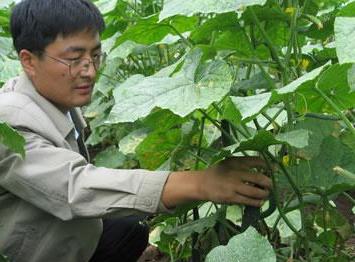
Potted Chinese pine should be placed in a location with abundant sunlight and good ventilation. In winter, it can overwinter in a wind-sheltered, sunny spot. It can withstand low temperatures of -25°C, but the flower pot should be protected by piling soil around it to prevent frost cracking. Chinese pine should not be watered too much. In dry spring, water once every 2-3 days. In summer, prevent water accumulation to avoid waterlogging damage. In November, water thoroughly for winter protection, and generally do not water in winter. Chinese pine is tolerant of poor soil and does not like heavy fertilization. Generally, apply base fertilizer; in spring, dry fertilizer can be applied. Organic fertilizer or humic acid fertilizers are preferable.
Next, the editor will introduce the propagation and cultivation of rex begonia (Begonia rex).
Rex begonia, also known as king begonia or hairy-leaved begonia, is a perennial evergreen herbaceous foliage plant in the genus Begonia, family Begoniaceae. Its leaves have brilliant rainbow markings, gorgeous yet not vulgar, magnificent yet dignified, extremely beautiful. It is the most distinctive cultivated species among begonias and an important shade-loving potted foliage plant. It is widely cultivated and deeply loved by people around the world, especially popular in some European and American countries. It can be grown as small to medium potted plants, or planted in hanging baskets suspended in living rooms, studies, or bedrooms, or combined with other plants in terrarium-style plantings for indoor decoration and beautification.
Morphological characteristics: No aboveground stem; underground rhizome grows prostrate. Leaves basal, tilted to one side, dark green with silvery-white markings. Flowers light red, with a long flowering period.
Propagation and cultivation: Propagated by cuttings and sowing. During the growing season, apply diluted fertilizer once every 10 days. Pay attention to timely pinching. In summer, poor ventilation makes it susceptible to whitefly damage.
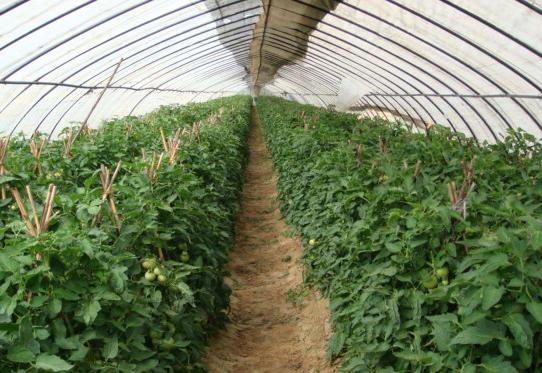
Cultivation techniques: To meet the above ecological requirements, when potted in northern regions, from early May to early October, it can be placed on a north-facing balcony or under eaves, or on a windowsill in a north-facing room, but attention must be paid to ventilation. In dry weather and summer, spray water on the ground around the flower pot several times a day to increase humidity and lower temperature, maintaining a cool and moist environment, which is extremely important for its robust growth. High temperature and dryness can easily cause poor plant growth or even death. When cultivating rex begonia, never spray unclean water on the leaf surface, otherwise it is very prone to disease spots, affecting its appearance. During the growing season, do not water too much; keeping the potting soil moist is appropriate. During the peak growing season, apply a nitrogen-based compound fertilizer or diluted cake fertilizer water about once every half month. When fertilizing, be careful not to let the fertilizer solution contaminate the leaves. If the leaves accidentally get fertilizer solution on them, immediately rinse the leaf surface with clean water to wash off the fertilizer solution. In winter, move to a sunny spot in a south-facing room, cover with a plastic film cover at night for insulation and moisture retention, and spray-rinse the leaves with clean water at about room temperature every 5 days or so to prevent dust or soot from contaminating the leaf surface, keeping the leaves fresh and vibrant. During overwintering, the room temperature should be maintained above 10°C, stop fertilizing, and control watering for safe overwintering. Rex begonia generally declines in vigor after about 4 years of growth, so it is advisable to renew it every 4-5 years using leaf cuttings.
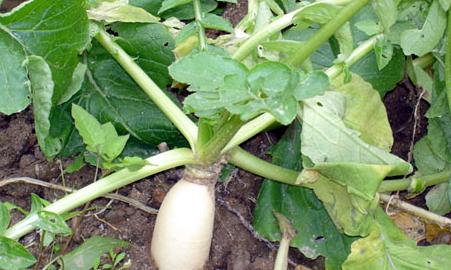
Propagation method: Rex begonia has large leaves with thick veins and strong regeneration ability. Cutting the veins can stimulate it to produce adventitious buds and adventitious roots, so leaf cuttings can be used to propagate seedlings. Use a shallow pot with a wide mouth as the cutting container. After washing it clean, fill it with roasted pure river sand, and moisten the sand using the bottom-watering method.
Select plump, mature large leaves as material. Use a sterilized blade to cut the veins on the underside of the leaf, with cuts 2-3 cm apart, penetrating into the veins. Then place the leaf face-up flat on the wet sand, insert the petiole into the wet sand, press the leaf surface down with pieces of broken glass, and finally cover the pot surface with glass, but do not cover it tightly. At a room temperature of 20-24°C, after 20 days the vein cuts produce callus tissue, and after 35 days young roots and young leaves can grow. At this point, remove the glass for ventilation.
After the small leaves unfold, cut the main vein between the seedlings, separate the seedlings and pot them up. After one month, apply some diluted liquid fertilizer, and they can bloom the following year.
Next, the editor will introduce the cultivation and management of blue wallflower (Orychophragmus violaceus).
Growth habits: Strong adaptability. Easy to grow in full sun to partial shade, in moderately moist, well-drained soil. Best planted in partial shade in hot summer climates. Through abundant self-seeding, it can persist in the planting site for many years. It blooms profusely in the second spring with excellent effect, and pairs especially well with other flowers blooming at the same time such as oxeye daisy. Promptly removing faded flowers and stems can promote abundant blooming in the second season.
Propagation and cultivation: Due to its short growing period, it can be sown multiple times in spring or autumn to extend the ornamental period. The base of the plant becomes woody and persists for many years, with new shoots sprouting from continuously multiplying tuberous roots, and it continues to bloom in the second season and beyond. However, seed propagation is the most ideal. In the Jiangsu-Zhejiang-Shanghai region, sowing in August-September is most ideal. Although it can also self-seed, the overall effect may not be very good. It can only be used in wild, natural landscape areas. No serious pest or disease problems.
The bright and fresh blue of blue wallflower is extremely rare among spring-flowering species. It is an excellent plant for natural sites, roadside slopes, and courtyards, and can also be used in flower borders.
Propagation method: Rex begonia has large leaves with thick veins and strong regeneration ability. Cutting the veins can stimulate it to produce adventitious buds and adventitious roots, so leaf cuttings can be used to propagate seedlings. Use a shallow pot with a wide mouth as the cutting container. After washing it clean, fill it with roasted pure river sand, and moisten the sand using the bottom-watering method.
Select plump, mature large leaves as material. Use a sterilized blade to cut the veins on the underside of the leaf, with cuts 2-3 cm apart, penetrating into the veins. Then place the leaf face-up flat on the wet sand, insert the petiole into the wet sand, press the leaf surface down with pieces of broken glass, and finally cover the pot surface with glass, but do not cover it tightly. At a room temperature of 20-24°C, after 20 days the vein cuts produce callus tissue, and after 35 days young roots and young leaves can grow. At this point, remove the glass for ventilation.
After the small leaves unfold, cut the main vein between the seedlings, separate the seedlings and pot them up. After one month, apply some diluted liquid fertilizer, and they can bloom the following year.
Next, the editor will introduce the cultivation and management of blue wallflower (Orychophragmus violaceus).
Growth habits: Strong adaptability. Easy to grow in full sun to partial shade, in moderately moist, well-drained soil. Best planted in partial shade in hot summer climates. Through abundant self-seeding, it can persist in the planting site for many years. It blooms profusely in the second spring with excellent effect, and pairs especially well with other flowers blooming at the same time such as oxeye daisy. Promptly removing faded flowers and stems can promote abundant blooming in the second season.
Propagation and cultivation: Due to its short growing period, it can be sown multiple times in spring or autumn to extend the ornamental period. The base of the plant becomes woody and persists for many years, with new shoots sprouting from continuously multiplying tuberous roots, and it continues to bloom in the second season and beyond. However, seed propagation is the most ideal. In the Jiangsu-Zhejiang-Shanghai region, sowing in August-September is most ideal. Although it can also self-seed, the overall effect may not be very good. It can only be used in wild, natural landscape areas. No serious pest or disease problems.
The bright and fresh blue of blue wallflower is extremely rare among spring-flowering species. It is an excellent plant for natural sites, roadside slopes, and courtyards, and can also be used in flower borders.