Key Points of Plant Cultivation Techniques and a Detailed Guide to Practical Planting Methods
In today's materially and spiritually developed society, aren't there many people who cultivate flowers to refine their character? Today, the editor will introduce cultivation techniques to everyone.
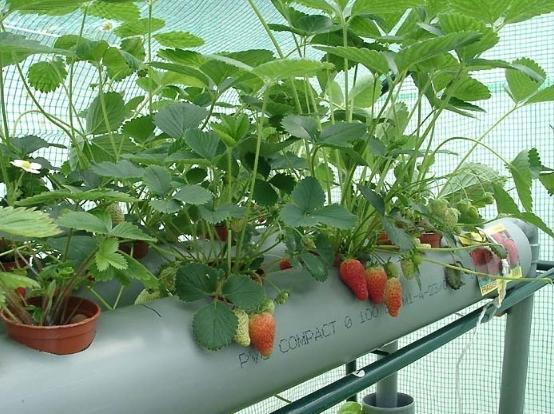
Definition of Cultivation Techniques
Plant cultivation techniques are an applied technology that applies the basic theories of plant cultivation science to experiments in the cultivation of fruit trees, vegetables and ornamental plants, with emphasis on practical operating skills.
Next, the editor will introduce the cultivation techniques for Chinese pine (Pinus tabuliformis).
Choose a nursery site with flat terrain, convenient irrigation, good drainage and deep, fertile neutral (pH 6.5-7.0) sandy loam or loam soil. It is advisable to choose a nursery site where the previous crop was Chinese pine, oak species, poplar, willow, amorpha (Amorpha fruticosa) or other coniferous tree species; newly reclaimed wasteland can also be used for raising seedlings. Avoid raising seedlings on sites where the previous crop was black locust, elm, date plum (Diospyros lotus) or other tree species, or vegetable plots such as cabbage and potato.
Land preparation
Land preparation and fertilization: The land must be prepared before raising seedlings. For nursery land preparation, deep plowing in autumn is preferable, with a depth of 20 cm-30 cm; after deep plowing, do not harrow. After the soil thaws in spring of the second year, apply 40000 kg-50000 kg of decomposed organic fertilizer such as compost, green manure or barnyard manure per hectare, together with 300 kg-375 kg of superphosphate. Then shallow plow once more to a depth of 15 cm-20 cm, and immediately rake level.
Bed making
Irrigate thoroughly 3 d-5 d before making the beds, level the nursery land, and then make the beds.
Flat beds
Flat beds are generally used. The seedbed width is 1 m-1.2 m, with drainage and irrigation ditches and paths left on both sides; the path width is 30 cm-40 cm, and the seedbed length is determined according to the nursery land conditions.
Raised beds
Raised beds may be used in nurseries with a humid climate or irrigation conditions. The seedbed is 15 cm-20 cm higher than the path, the bed surface width is 30 cm-100 cm, and the seedbed length is determined according to the nursery land conditions.
Sunken beds
Sunken beds may be used for raising seedlings in nurseries with drought and little rain and poor irrigation conditions. The bed surface is 15 cm-20 cm lower than the path; the other requirements are the same as for flat beds.
Soil disinfection: Soil disinfection should be carried out before sowing. The commonly used chemicals and methods for soil disinfection are given in Appendix A (normative appendix). Before sowing, test the seed quality indicators such as purity, germination rate and moisture content in accordance with GB2772-1999 "Rules for Forest Tree Seed Testing", assess the seed quality grade, and provide a basis for determining a reasonable sowing rate.
Quality requirements
Seed quality shall meet the requirements of the GB7908-1999 "Classification of Forest Tree Seed Quality" standard.
Potassium permanganate disinfection
Soak the seeds in a 0.5% potassium permanganate solution for 2 h, then rinse with clean water and dry in the shade. 6.2.2 Seed germination promotion: Use warm water soaking to promote germination. 4 d-5 d before sowing, soak the seeds in warm water at an initial temperature of 45ºC-60ºC, with a volume ratio of seeds to water of about 1:3. Stir continuously during soaking so that the seeds are heated evenly, then let cool naturally and soak for 24 h. After the seed coat absorbs water and swells, remove the seeds and place them under conditions of 20ºC-25ºC to promote germination. Check frequently during the germination process to prevent mildew, rinse once daily with clean water, and sow when 1/3 of the seeds have cracked open.
Sowing
Sowing time: generally from late March to early-to-mid April, sowing early at the right time.
Sowing rate: according to factors such as seed quality grade and expected seedling output, the sowing rate is 225 kg-300 kg per hectare.
Sowing method: 7.3.1 Trenching. Drilling in trenches is preferable; the trenches should be straight and the trench bottoms flat. The trench depth is 1.0 cm-1.5 cm, the trench width is 5 cm-7 cm, and the spacing between trenches is 15 cm-20 cm.
Sowing: Use a seeder to sow the seeds evenly in the trench bottoms on the bed surface; or sow by hand, spreading the seeds evenly. The sowing depth is 1.0 cm-1.5 cm.
Covering with soil and pressing: The soil covering thickness is 1.0 cm-1.5 cm, and the thickness must be uniform; press after covering with soil.
Other technical measures: Nurseries with conditions may spray a warming agent on the bed surface or cover with film to retain moisture.
Next, the editor will introduce the cultivation techniques for Taxus (yew).
Taxus is an evergreen tree, with red-brown bark that is shallowly longitudinally fissured, slightly curved strip-shaped leaves in a sickle shape, dark green leaf blades, and two grayish-green stomatal bands. It is dioecious, the seeds are flat and ovate, the strobili are solitary, flowering from March to April, and the seeds mature in November.
Taxus is mostly propagated from seed. The seeds can be harvested after they mature in November; then clean the fleshy seed coat, dry them, and immediately stratify them in moist sand and bury them in a shady, dry place, covering the top with plastic film and straw curtains. In summer and autumn, turn the seeds twice a month, and by early March of the following year they can be sown to raise seedlings. The seedbed should be selected as a slightly acidic sandy loam plot that is sheltered from the wind and has good drainage, with a bed width of 1 m and a trench width of 40 cm; raise high ridges in an east-west direction, and bury steel plates 25 cm high and 4 cm thick on both sides of the ridge, to a depth of 10 cm. The bed soil should be deeply plowed and finely worked, and carbofuran should be applied to control underground pests. Use equal parts vermiculite, river sand, peat and garden soil, add fungicides such as carbendazim or thiophanate-methyl, mix into a substrate and fill it into the steel plates, level with the side plates and 3 cm-5 cm higher in the middle. Cover with plastic film and seal for fumigation for 3-5 days, then sow. Spread the seeds evenly on the bed surface, with a sowing rate of about 200 seeds per square meter; after sowing, press flat slightly with a wooden board, cover with 1 cm-2 cm of mixed substrate soil, and cover with straw curtains or plastic film to keep warm and moist.
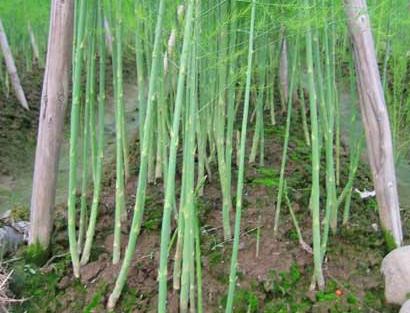
In dry weather, spray water appropriately; generally, germination and emergence occur after 40 days. At this time, remove the plastic film or straw curtains, and set up a 2 m high shade shed above the seedbed, covering it with a shade net to prevent direct sunlight. Keep the seedbed moist; in rainy weather, set up a low arched shed and cover with plastic film to prevent excessive water in the seedbed. Do a good job of drainage and ventilation in the seedbed, and control pests and diseases promptly. During the seedling stage, apply decomposed dilute cake fertilizer water once every 10 days; avoid chemical fertilizers and concentrated fertilizers. After one year of careful maintenance and management, the seedlings can reach 15 cm-25 cm in height and have 2-3 forked branches. Transplanting can be carried out in early April. The planting site should be selected as a wind-sheltered, dry, humus-rich, slightly acidic sandy loam site, deeply plowed 20 cm, and apply 5 kg of decomposed organic fertilizer per square meter. Raise high ridges and dig deep trenches; the ridge width is 100 cm and the trench width is 30 cm. Plant 5 rows per ridge, with a row spacing of 20 cm and a plant spacing of 15 cm.
Transplanting should preferably be chosen on cloudy days, and the seedlings should be planted immediately after being moved, with soil balls required for transplanting. Immediately after transplanting, water once thoroughly, and set up a 2 m high shade shed above; cover with a shade net on sunny days, and remove it on cloudy and rainy days and at night. Strengthen fertilizer and water management during the growing period, generally applying decomposed cake fertilizer water once every 10 days. Do a good job of pest and disease control and management. In summer, strengthen shading and cooling work, and if necessary spray water to cool down, so as to create a cool and moist environment conducive to seedling growth. Taxus is not only a superior material for making high-grade furniture, but also a medicinal material of great medical value, and moreover an excellent tree species for landscaping. With the maturity and development of its artificial breeding and artificial cultivation techniques, the application scope of Taxus will become even broader.
Cover with plastic film and seal for fumigation for 3-5 days, then sow. Spread the seeds evenly on the bed surface, with a sowing rate of about 200 seeds per square meter; after sowing, press flat slightly with a wooden board, cover with 1 cm-2 cm of mixed substrate soil, and cover with straw curtains or plastic film to keep warm and moist.
In dry weather, spray water appropriately; generally, germination and emergence occur after 40 days. At this time, remove the plastic film or straw curtains, and set up a 2 m high shade shed above the seedbed, covering it with a shade net to prevent direct sunlight. Keep the seedbed moist; in rainy weather, set up a low arched shed and cover with plastic film to prevent excessive water in the seedbed. Do a good job of drainage and ventilation in the seedbed, and control pests and diseases promptly. During the seedling stage, apply decomposed dilute cake fertilizer water once every 10 days; avoid chemical fertilizers and concentrated fertilizers. After one year of careful maintenance and management, the seedlings can reach 15 cm-25 cm in height and have 2-3 forked branches. Transplanting can be carried out in early April. The planting site should be selected as a wind-sheltered, dry, humus-rich, slightly acidic sandy loam site, deeply plowed 20 cm, and apply 5 kg of decomposed organic fertilizer per square meter. Raise high ridges and dig deep trenches; the ridge width is 100 cm and the trench width is 30 cm. Plant 5 rows per ridge, with a row spacing of 20 cm and a plant spacing of 15 cm.
Transplanting should preferably be chosen on cloudy days, and the seedlings should be planted immediately after being moved, with soil balls required for transplanting. Immediately after transplanting, water once thoroughly, and set up a 2 m high shade shed above; cover with a shade net on sunny days, and remove it on cloudy and rainy days and at night. Strengthen fertilizer and water management during the growing period, generally applying decomposed cake fertilizer water once every 10 days. Do a good job of pest and disease control and management. In summer, strengthen shading and cooling work, and if necessary spray water to cool down, so as to create a cool and moist environment conducive to seedling growth. Taxus is not only a superior material for making high-grade furniture, but also a medicinal material of great medical value, and moreover an excellent tree species for landscaping. With the maturity and development of its artificial breeding and artificial cultivation techniques, the application scope of Taxus will become even broader.