What are the benefits and effects of sunflower seeds
Sunflower seeds are deeply loved by people for their rich content of unsaturated fatty acids, various vitamins and trace elements, as well as their unique taste, making them a highly favored leisure snack. So do you know the benefits and effects of sunflower seeds? Knowing about this is useful for you.

The benefits and effects of sunflower seeds
The benefits of sunflower seeds
1. Sunflower seeds are rich in trace elements such as unsaturated fatty acids and have notable benefits for strengthening the body.
2. Sunflower seeds contain vitamin B1 and vitamin E, which have positive effects on stabilizing emotions, preventing cell aging, and preventing adult diseases. They can also treat insomnia and enhance memory, and have certain preventive effects on cancer, high blood pressure and neurasthenia.
3. Sunflower seeds can regulate brain cell metabolism and improve their inhibitory function, so they can be used to induce sleep.
4. The rich iron, zinc, manganese and other elements in sunflower seeds give them a role in preventing anemia.
5. The unsaturated fatty acids in sunflower seeds have the effect of lowering cholesterol, and therefore help prevent and treat arteriosclerosis, high blood pressure, coronary heart disease and so on.
The effects of sunflower seeds
1. Sunflower seeds can treat depression, neurasthenia, insomnia and various psychogenic diseases, and can also enhance people's memory.
2. Sunflower seeds have obvious therapeutic effects on cancer, high blood pressure, heart disease, iron deficiency anemia and other diseases. Sunflower seeds taste good, are highly nutritious and easy to absorb.
3. Sunflower seeds are rich in zinc, which can make the skin smooth and clean and delay the formation of wrinkles. Vitamin E has the effect of softening and whitening the skin.
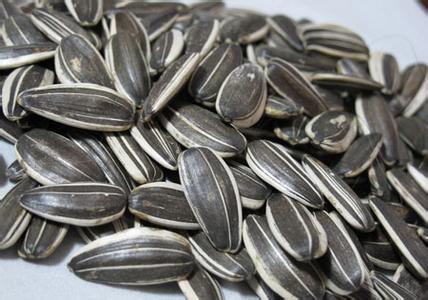
Precautions for eating sunflower seeds
1. Suitable people for raw sunflower seeds: generally everyone can eat them.
2. Suitable for cancer patients; suitable for people with hyperlipidemia, arteriosclerosis and high blood pressure; suitable for people with neurasthenia and insomnia; suitable for people with pinworm infection. This is one of the benefits and effects of raw sunflower seeds.
3. After being roasted they are warm and drying in nature, and eating too many can easily cause symptoms of "internal heat" such as dry mouth, mouth sores and toothache.
4. People with hepatitis should best not eat sunflower seeds. Because it can damage the liver and cause cirrhosis. Do not eat too many at one time, to avoid internal heat. The protein in raw sunflower seeds contains a component that inhibits the testicles; if men eat too many, it can cause testicular atrophy and lead to infertility, so men of childbearing age should not eat too many.
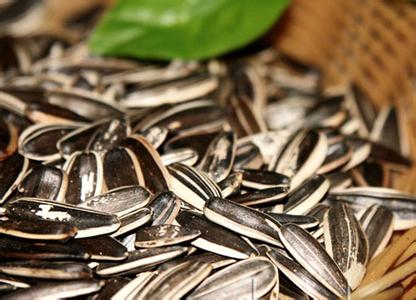
The nutritional value of sunflower seeds
The protein content of sunflower seed kernels is 30%, comparable to soybeans, lean meat, eggs and milk; the content of various sugars is 12%; the fat content is superior to animal fats and plant oils, because it contains unsaturated fatty acids, of which linoleic acid accounts for 55%; potassium, calcium, phosphorus, iron and magnesium are also very rich, especially the potassium content is relatively high, with 100 grams containing up to 920 milligrams of potassium; it also contains vitamin A, B1 and B2; every 15 grams contains 31 milligrams of vitamin E; the most valuable is the oil in sunflower seeds, with the kernel oil content being 50%-55%, making it the second largest oil crop after soybeans.
1. Sunflower seeds contain about 50% fat, most of which is unsaturated fat, and they contain no cholesterol; the linoleic acid content can reach 70%, which helps lower the body's blood cholesterol level and is beneficial for protecting cardiovascular health.
2. The rich trace elements such as iron, zinc, potassium and magnesium give sunflower seeds a role in preventing anemia and other diseases. Sunflower seeds are a good source of vitamin B1 and vitamin E. Recommended reading: The side effects of pumpkin seeds and the nutritional value of pumpkin seeds
3. It is said that eating a handful of sunflower seeds every day can meet the body's daily requirement for vitamin E.
4. They are good for stabilizing emotions, preventing cell aging and preventing adult diseases.
5. They also have the effect of treating insomnia and enhancing memory. They have certain preventive effects on cancer, high blood pressure and neurasthenia.
6. In addition to being rich in unsaturated fatty acids, sunflower seeds also contain various vitamins, folic acid, iron, potassium, zinc and other nutrients essential to the human body. Sunflower seeds contain a large amount of dietary fiber, with every 7 grams of sunflower seeds containing 1 gram, a much higher fiber content ratio than apples.
7. Dietary fiber can reduce the incidence of colon cancer. The iron content in sunflower seeds is twice that of raisins and peanuts, so they can also prevent anemia.

8. The protein in sunflower seeds contains arginine. Arginine is an indispensable component for producing semen. Therefore, for men in their reproductive years, eating some sunflower seeds every day is very beneficial to the body.
9. Research has been conducted on the medical effects of sunflower seeds, confirming that sunflower seeds can treat depression, neurasthenia, insomnia and various psychogenic diseases, and can also enhance people's memory.
10. In addition, sunflower seeds also have certain therapeutic effects on cancer, high blood pressure, heart disease, iron deficiency anemia and so on. Using advanced low-temperature oil pressing technology, sunflower seeds are processed into protein powder that can be eaten. This protein powder is white in color, tastes good, is highly nutritious and easy to absorb. This protein powder can be made into nutritious bread, artificial meat, sausages, canned food and other health foods.
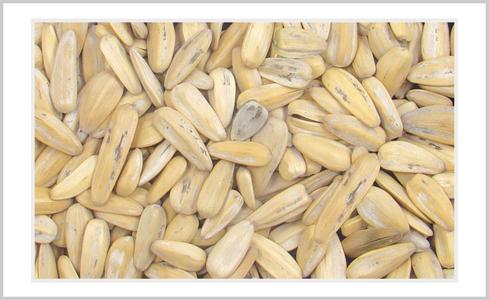
Sunflower seeds should not be eaten in large amounts, and it is best to peel them with your hands when eating. Because cracking them with your teeth can easily cause sores on the tongue and corners of the mouth, and when spitting out the shells a large amount of saliva is also spit out, making taste dull, reducing appetite, and even causing stomach cramps. Saliva helps clear food residue in the mouth, reduces bacterial reproduction and fermentation, and can protect the oral mucosa. According to measurements, cracking 250 grams of sunflower seeds a day will lose 2500 grams of saliva. No wonder people always feel dry mouth and tongue after eating sunflower seeds. In addition, patients with hepatitis should best not eat sunflower seeds, because they can damage the liver and cause cirrhosis.
9. Research has been conducted on the medical effects of sunflower seeds, confirming that sunflower seeds can treat depression, neurasthenia, insomnia and various psychogenic diseases, and can also enhance people's memory.
10. In addition, sunflower seeds also have certain therapeutic effects on cancer, high blood pressure, heart disease, iron deficiency anemia and so on. Using advanced low-temperature oil pressing technology, sunflower seeds are processed into protein powder that can be eaten. This protein powder is white in color, tastes good, is highly nutritious and easy to absorb. This protein powder can be made into nutritious bread, artificial meat, sausages, canned food and other health foods.
Sunflower seeds should not be eaten in large amounts, and it is best to peel them with your hands when eating. Because cracking them with your teeth can easily cause sores on the tongue and corners of the mouth, and when spitting out the shells a large amount of saliva is also spit out, making taste dull, reducing appetite, and even causing stomach cramps. Saliva helps clear food residue in the mouth, reduces bacterial reproduction and fermentation, and can protect the oral mucosa. According to measurements, cracking 250 grams of sunflower seeds a day will lose 2500 grams of saliva. No wonder people always feel dry mouth and tongue after eating sunflower seeds. In addition, patients with hepatitis should best not eat sunflower seeds, because they can damage the liver and cause cirrhosis.