Dumb Cane (Dieffenbachia) Price and Detailed Guide to Growing Methods and Precautions
Dumb Cane Price:
Artificial plants, tropical landscape simulation trees, artificial Dumb Cane wholesale and retail, mixed batches available
Material: artificial material | Craft: artificial craft | Custom processing: Yes | Product number: FYFZDSG... | Type: artificial tree |
Category: Festival supplies Artificial plants
¥335.00
Wholesale artificial plants fake trees green plants living room shopping mall decoration opening gift 1.6m double-dragon Dumb Cane
Material: plastic | Craft: artificial plant | Custom processing: No | Product number: DSGY16 | Type: artificial plant
Category: Festival supplies Artificial plants
¥89.00
Wholesale indoor foliage plant bonsai flowers small potted plant (90#) Dumb Cane
Brand: Jialu | Model: miniature | School: other schools | Type: potted plant | Biological habit: evergreen
Category: Landscape plants Bonsai
¥5.00
Wholesale small potted foliage plants green plant bonsai office creative foliage (A90) Dumb Cane
Main ornamental part: foliage | Flower color series: green series | Leaf color series: green series | Flowering period: 0 | Fruiting period: 0
Category: Landscape plants Other landscape plants
¥5.38
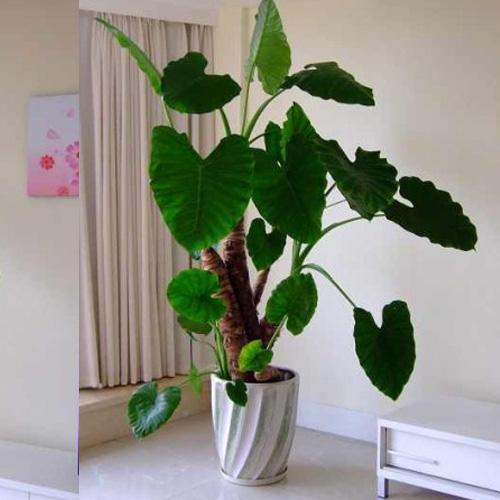
Indoor layout environmental greening hydroponic small potted plant evergreen foliage flower A90 Dumb Cane Grade A
Brand: Hongxiang | Work name: Buddha's Hand Lotus | Model: small and medium | School: Lingnan school | Type: potted plant
Category: Landscape plants Bonsai
¥4.50
Green plant green potted plant formaldehyde-absorbing air-purifying office living room bonsai Dumb Cane
Brand: Xiayang | Work name: Dumb Cane | Model: small and medium | School: other schools | Type: stump bonsai/tree type
Category: Landscape plants Bonsai
¥14.00
Wholesale hot-selling plant Dumb Cane indoor bonsai radiation protection green plant low price
Brand: none | Model: small and medium | School: Yang school | Type: stump bonsai/tree type | Main plant material: trees
Category: Landscape plants Bonsai
¥35.00
Green plant green potted plant formaldehyde-absorbing air-purifying office living room bonsai Dumb Cane
Main ornamental part: foliage | Flower color series: white series | Leaf color series: green series | Flowering period: 0 | Fruiting period: 0
Category: Landscape plants Other landscape plants
¥8.00
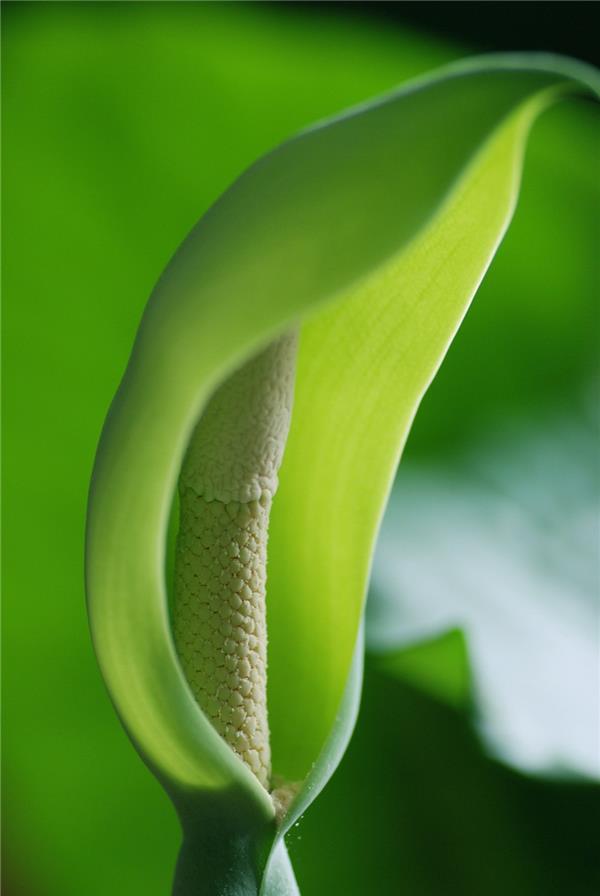
Dumb Cane floor-standing large artificial flower living room study office decoration green plant plastic 60cm tall
Material: plastic | Craft: processed | Product number: Dumb Cane 1
Category: Festival supplies Artificial plants
¥25.00
Hydroponic Dumb Cane potted plant soil-cultivated indoor foliage potted flower
Main ornamental part: foliage | Flower color series: green series | Garden use: landscape tree, street tree, shade tree, protective tree, hedge, shrub | Novel creative project: sign up
Category: Landscape plants Other landscape plants
¥13.40
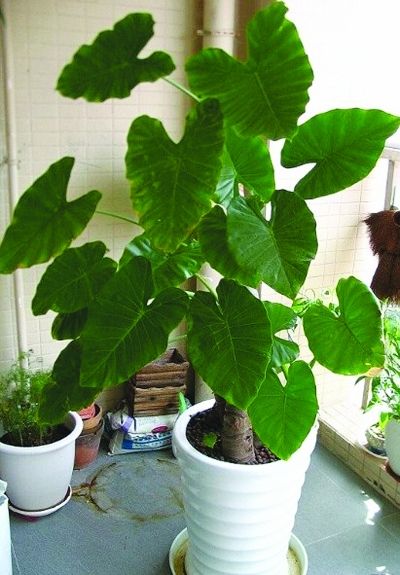
Dumb Cane growing methods:
1. Temperature: likes warmth, grows rapidly above 25°C, the most suitable temperature for growth is 25-30°C. It has a certain cold resistance; the overwintering temperature only needs to be maintained above 2°C.
2. Light: likes semi-shade, not tolerant of intense sunlight exposure. From May to September it should be shaded, blocking about 50% of sunlight. At other times it should be given sufficient sunlight. It is not tolerant of excessive shade, otherwise the leaf stalks become thin and long, and not only is the plant shape unattractive, but it also breaks easily.
3. Watering: because the leaves are large and consume more water, it is afraid of drought. It likes a slightly moist soil environment; during the growth period, watering should follow "alternating dry and wet but leaning toward moist," and watering should be thorough; even watering a bit more is fine. Especially on hot sunny summer days, even more attention should be paid to the water supply to meet the plant's water requirements. Because the leaf surface is large, in the morning water droplets often appear at the leaf tips, which is quite strange, hence the name "Dumb Cane." However, it requires that the pot soil must usually be kept moist to ensure the plant absorbs sufficient water, relying on the plant's root pressure to transport water to the leaf tips and excrete it; when the pot soil is dry, there will be no water to drip. In winter, water should be controlled, keeping the pot soil in a slightly moist state, as long as the leaves do not become soft and drooping; if the pot soil is too wet, it easily causes root rot.
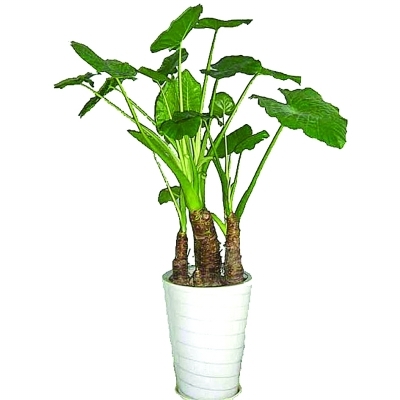
4. Environmental humidity: likes a humid environment, avoid dry air. During the growing season, on sunny and dry days, water should often be sprayed on the branches, leaves and surroundings to maintain a relatively high air humidity.
5. Fertilizing: likes fertilizer. Because the growth volume is large, nutrients need to be supplemented in time so that the stems grow thick and strong and the leaves are large, deep green and glossy; when there is a lack of fertilizer, the leaves are small and yellow. During the growth period, a nitrogen-based fertilizer should be applied once about every 10 days. After the beginning of autumn, stop applying nitrogen fertilizer and apply 2-3 times phosphorus and potassium fertilizer. Stop fertilizing in winter.
6. Pruning: yellow leaves should be cut off at any time. Because the leaf stalks are long, when moving, placing and maintaining the plant, avoid breaking the leaf stalks. If they are broken, they should be cut off in time.
7. Repotting: repot once every 1-2 years. It does not have high requirements for soil, but likes fertile, loose and well-drained sandy loam soil; the substrate can be prepared from materials such as leaf mold, garden soil, peat soil and river sand. If sufficient base fertilizer is applied, the leaves can grow large and plump. Because the leaves are large but few in number and the leaf stalks are long, when moving the plant and maintaining it, avoid damaging the leaves, otherwise the ornamental value will be reduced.
8. Propagation: seeding, cuttings, division, etc.
(1) Seeding: wild plants often bear seeds; sow in spring, the suitable germination temperature is 25-28°C, and they germinate 20-25 days after sowing.
(2) Cuttings: carried out in April. Cut the thick stems into stem segments about 10 cm long with
several bud eyes as cuttings; after drying slightly, insert them obliquely or lay them flat in the seedbed; when laying flat, the depth should be just enough to bury the stem segment; the cuttings can also be inserted directly into pots. After insertion, keep the substrate moist and the environmental temperature at 25-27°C, and after 4-5 weeks they can take root and survive.
(3) Division: potted plants easily produce many small plantlets at the base, and in April, in combination with
repotting, division can be carried out; after separating the small plantlets from the mother plant, plant them separately. Division is best carried out when the temperature reaches 20°C or higher; on the basis of keeping the substrate moist, new buds can emerge in about 20 days.
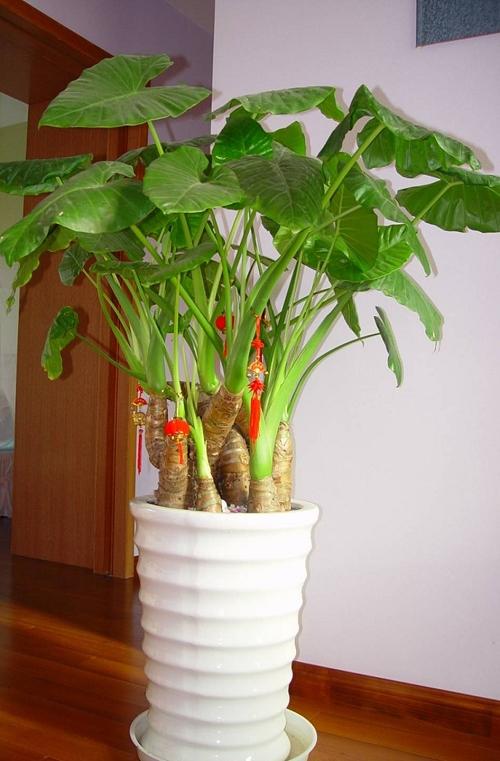
Dumb Cane precautions:
1. Flower lovers should be reminded that the white sap in the stems of Dumb Cane is toxic, and the dripping water is also toxic. Accidental contact with or accidental ingestion of its sap will cause discomfort in the throat and mouth, and a burning pain in the stomach. Special attention should be paid to preventing young children from accidentally eating it. However, Dumb Cane is not a carcinogenic plant.
2. Precisely because Dumb Cane is toxic, skin contact with its sap will cause itching or strong irritation, and eye contact with the sap can cause severe conjunctivitis, or even blindness. Accidentally eating the stems and leaves will cause symptoms of nausea and pain, and in severe cases can also cause suffocation, leading to death from cardiac paralysis. Therefore, contact with Dumb Cane should be minimized as much as possible, and families with children had best not grow it.
It does not have high requirements for soil, but likes fertile, loose and well-drained sandy loam soil; the substrate can be prepared from materials such as leaf mold, garden soil, peat soil and river sand. If sufficient base fertilizer is applied, the leaves can grow large and plump. Because the leaves are large but few in number and the leaf stalks are long, when moving the plant and maintaining it, avoid damaging the leaves, otherwise the ornamental value will be reduced.8. Propagation: seeding, cuttings, division, etc.
(1) Seeding: wild plants often bear seeds; sow in spring, the suitable germination temperature is 25-28°C, and they germinate 20-25 days after sowing.
(2) Cuttings: carried out in April. Cut the thick stems into stem segments about 10 cm long with
several bud eyes as cuttings; after drying slightly, insert them obliquely or lay them flat in the seedbed; when laying flat, the depth should be just enough to bury the stem segment; the cuttings can also be inserted directly into pots. After insertion, keep the substrate moist and the environmental temperature at 25-27°C, and after 4-5 weeks they can take root and survive.
(3) Division: potted plants easily produce many small plantlets at the base, and in April, in combination with
repotting, division can be carried out; after separating the small plantlets from the mother plant, plant them separately. Division is best carried out when the temperature reaches 20°C or higher; on the basis of keeping the substrate moist, new buds can emerge in about 20 days.
Dumb Cane precautions:
1. Flower lovers should be reminded that the white sap in the stems of Dumb Cane is toxic, and the dripping water is also toxic. Accidental contact with or accidental ingestion of its sap will cause discomfort in the throat and mouth, and a burning pain in the stomach. Special attention should be paid to preventing young children from accidentally eating it. However, Dumb Cane is not a carcinogenic plant.
2. Precisely because Dumb Cane is toxic, skin contact with its sap will cause itching or strong irritation, and eye contact with the sap can cause severe conjunctivitis, or even blindness. Accidentally eating the stems and leaves will cause symptoms of nausea and pain, and in severe cases can also cause suffocation, leading to death from cardiac paralysis. Therefore, contact with Dumb Cane should be minimized as much as possible, and families with children had best not grow it.