How to graft fruit trees? A detailed explanation of fruit tree grafting methods
Fruit tree grafting is one of the methods of asexual propagation of fruit trees, that is, taking a branch or bud from a plant of a superior variety and joining it to a suitable part of another plant, so that the two combine to form a new plant. The branch or bud that is joined on is called the scion or scion bud, and the plant to which the scion or scion bud is joined is called the rootstock. A new plant propagated by grafting can both maintain the superior traits of its mother plant and make use of the favorable characteristics of the rootstock (stress resistance, adaptability, early fruiting, etc.).
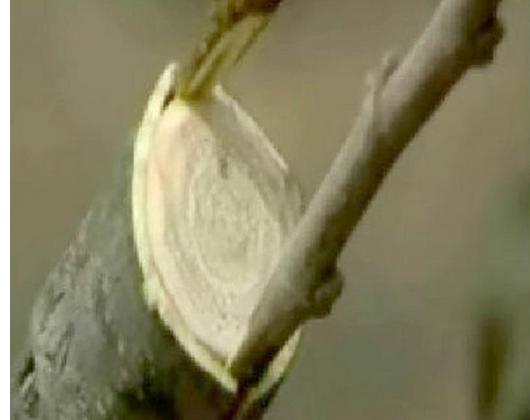
There are many grafting methods. According to how the scion is used, they are divided into bud grafting and branch grafting; according to the grafting site, they are divided into root grafting, rootstock grafting, double grafting, side grafting, and top grafting; according to the form of the union, there are cleft grafting, cut grafting, bark grafting, chip budding, tongue grafting, approach grafting, etc., but the basic grafting methods are bud grafting and branch grafting.
(1) Bud grafting: a propagation method using a bud patch as the scion, including "T"-shaped budding, chip budding, and square budding.
1. "T"-shaped budding:
(1) "T"-shaped budding without wood: generally carried out after the new shoots of the scion stop growing, when the bark of the rootstock and scion is easy to peel. The scion for budding should be selected from well-developed new shoots with plump buds. After the scion is cut, leave about 1 cm of petiole, cut off the leaves to reduce water evaporation, and it is best to use it immediately after cutting.
(2) "T"-shaped budding with wood: this is essentially single-bud branch grafting. It is carried out in spring when the rootstock buds begin to sprout. The scion does not need to be sealed with wax. Select a plump lateral bud, and 1 cm above the bud on the opposite side, cut downward from top to bottom into a long cut surface of 3-5 cm, tapering to a point at the lower end. Then use pruning shears to cut off the scion bud together with the wood. The scion bud is a shield-shaped bud patch that is thick at the top and thin at the bottom. Then make a T-shaped cut through the bark at a smooth place on the rootstock, deep enough to reach the wood. Pry open the bark, immediately insert the bud patch into the bark, and wrap it tightly with plastic strips, leaving the bud eye exposed. It can survive 15 days after grafting. Cut off the rootstock above the bud to promote sprouting of the grafted bud.
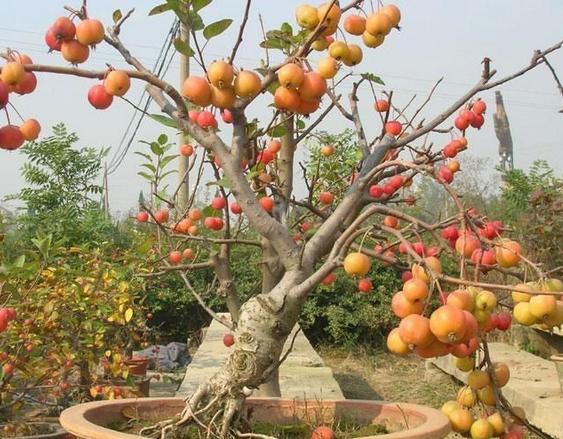
2. Chip budding: chip budding is used when it is difficult to peel the bark of both the rootstock and the scion.
Select a vigorous scion, make a downward and inward slanted cut 1 cm above the bud, reaching 1 cm below the bud, then make another downward and inward slanted cut 0.5 cm below the bud to the bottom of the first cut surface, remove the bud patch, and at a smooth place on the rootstock, use the same method of cutting the bud patch to make a cut the same size as the bud patch with wood, remove the cut-off part of the rootstock, "fit" the bud in, align the grafted bud with the rootstock cut, and then tie it tightly with plastic strips.
3. Square budding: mainly used for grafting walnut and persimmon trees. Use a double blade to make a horizontal cut above and below the bud, so that the cuts of the two blades are exactly 1 cm above and below the bud, then use a single blade on one side to make a vertical cut on the left and right of the bud, deep enough to reach the wood, with the bud patch 1.5 cm wide. Use the same method to cut off a piece of bark at a smooth part of the rootstock, quickly insert the grafted bud patch so that its top, bottom, and one side are aligned and closely joined, and then tie it tightly from bottom to top with plastic strips.
(2) Branch grafting: a propagation method using a branch section as the scion. The branch grafting season is mostly around Awakening of Insects to Grain Rain, when the rootstock buds begin to swell but have not yet sprouted. Some tree species must wait until after sprouting to the leaf-expansion stage or later, such as bark grafting of Chinese chestnut, cleft grafting of walnut, or green branch grafting of grape. The advantages of branch grafting are a high survival rate and fast growth of the grafted seedling, but it uses more scion and requires the rootstock to be thick.
1. Cut grafting: this method is suitable for relatively thin rootstocks. At a suitable grafting site, cut off the rootstock, and the cut or saw cut should be flat. Then use a grafting knife to make a vertical cut at about one third of the cross-section of the rootstock, with a depth slightly less than the large cut surface of the scion. Then cut the scion into small sections with 2-3 plump buds. Cut one side of the lower part of the scion into a large slanted surface about 3 cm long (on the same side as the terminal bud), and cut the other side into a small cut surface about 1 cm long. The cut surfaces must be flat. Quickly insert the scion into the cut with the large slanted surface facing inward and the small slanted surface facing outward, so that the cambium of the rootstock and scion are pressed tightly together, and then tie it well with plastic strips.
2. Side grafting method: mostly used to fill in gaps in the plant, generally grafting on bare parts of branches and trunks to increase the number of inner canopy branches and fill the space. When grafting, first make a T-shaped cut in the bark of the rootstock, deep enough to reach the wood. Above the horizontal cut, shave the bark into a triangular or semicircular slope to make it easy to insert the scion and fit it tightly. The cut site is generally on a slightly raised place or on the outer side of a bend. When the rootstock is upright or relatively thick, the T-shaped cut is better made slightly slanted. The scion for side grafting should be selected as slightly longer, slightly thicker, and somewhat curved.
There are also bark side grafting and side grafting with a base branch, mainly used for grafting Chinese chestnut.
(1) Bark side grafting: this method is mainly used to supplement branches in the bare inner canopy of young and mature trees. The specific method is: at the part of the rootstock where a branch needs to be added (generally add one branch every 75 cm), first shave the old bark of the rootstock thin to fresh phloem, then cut a T-shaped opening. At 1-2 cm above the horizontal cut, use a grafting knife to cut downward a crescent-shaped slanted surface down to the T-shaped horizontal cut, deep enough to reach the wood, so as to avoid a "pillow" after the scion is inserted. The scion should be longer, generally about 20 cm, and it is best to choose a curved scion. The cut surface should be a horse-ear shape 5-8 cm long, with the back cut to the phloem. Then insert the scion into the rootstock and wrap it tightly with plastic strips without exposing the wound.
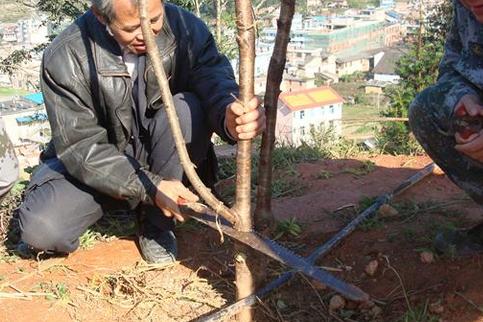
(2) Side grafting with a base branch: this is actually a new method improved from bark side grafting. Its advantages are that the base angle naturally opens wide and the rootstock does not need a crescent-shaped knife cut above the "T" opening, so there is no need to worry about a "pillow." The specific method is to shave the old bark of the rootstock thin. For rootstocks that have not formed old peeling bark, no shaving is needed; directly cut a "T"-shaped opening at the selected site, deep enough to reach the wood. The scion is selected as a branch with two one-year-old branches on a two-year-old mother branch. Cut it off 3 cm from where the one-year-old branches arise on the two-year-old mother branch, leaving two one-year-old branches and a 3 cm section of two-year-old base branch. On the branches, choose one one-year-old branch to keep as the scion, and cut off the other branch 2 cm from the branching point. The cut-off branch can be used as a scion for bark grafting. Then, from the lower part of the retained one-year-old branch up to the two-year-old base branch, cut it into a horse-ear shape, with the one-year-old branch thick and the two-year-old base branch thin. The prepared one-year-old scion with a base branch can be directly inserted into the "T"-shaped opening of the rootstock, and wrapped with plastic cloth. The survival rate is high, and the retention rate is also high.
3. Cleft grafting method: mostly used when the rootstock is relatively thick. Generally, a well-developed branch of a 1-year-old vigorous branch is selected as the scion, and it is carried out before spring sprouting.
4. Bark grafting: also called under-bark grafting. It needs to be carried out when the rootstock buds swell and the bark separates. The scion is inserted between the bark and the wood on the cut surface of the rootstock. Depending on the size of the cut surface area, multiple scions can be inserted.
At the grafting site on the rootstock, choose a smooth place and cut it off. The cut or saw cut should be flat to facilitate healing. First cut a long cut surface 3-5 cm long at the lower part of the scion, making the lower end slightly pointed, then lightly shave off the bark on the opposite side of the cut surface. Leave 2-3 buds on the upper part of the scion, and the terminal bud should be left on the back side of the large cut surface. At a smooth place below the rootstock cut, cut a vertical incision slightly shorter than the long cut surface of the scion, deep enough to reach the wood. Gently pry the bark apart to both sides, then face the long cut surface of the scion toward the wood and insert it from the middle of the bark incision, leaving 0.5 cm of white on the long cut surface. When the rootstock diameter is more than 2 cm, insert 1; when 2-4 cm, insert 2; when 4-6 cm, insert 3; when 6-8 cm, insert 4.
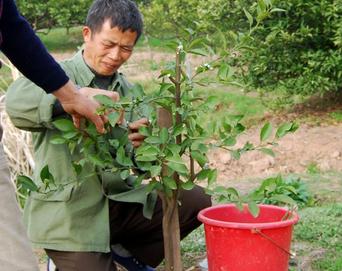
5. Tongue grafting: also called double tongue grafting. This method is used when the rootstock and scion are similar in thickness. Cut a horse-ear-shaped cut surface 3.5-4.5 cm long on the rootstock, and at one third of the length from the upper end of the cut surface, cut vertically downward a cut about 2 cm long. The scion is cut in the same way as the rootstock. Then align and insert the large and small cut surfaces of the rootstock and scion until they fit completely, with the two tongue pieces clamping each other tightly. If the rootstock and scion are not equal in thickness, align the cambium on one side, then wrap tightly with plastic strips.
6. Bark-tongue grafting: when grafting, saw off the upper part from a straight section of the branch to be grafted. The diameter of the rootstock cut surface must be more than 3 cm. Determine the number of scions to insert according to the thickness of the rootstock. Generally, when the rootstock cut surface diameter reaches 3-4 cm, insert 2 scions. The scion length is about 15 cm, and there must be 2-3 plump buds at the upper end of the cut surface. The slanted cut surface is in a long horse-ear shape, about 5-8 cm long. Before grafting, at the part of the rootstock cut surface where the scion is to be inserted, according to the shape of the scion cut surface, gently shave off the old bark to expose new bark, with the length and width of the cut surface slightly larger than the scion cut surface. Then pinch open the bark at the front end of the scion cut surface, slowly insert the wood of the scion between the wood and phloem of the rootstock, place the bark of the scion on the young bark of the rootstock, leave the cut surface slightly exposed, and then tie it well.
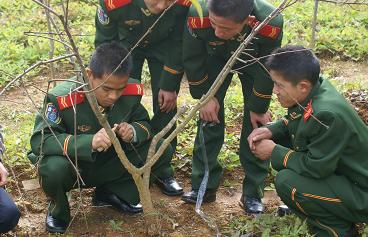
7. Bridge grafting method: mainly used to rebuild conducting tissue after scraping treatment of rot disease. In one bridge grafting method, the upper end of a root sucker close to the main trunk, preferably on the same side as the scraped area, is grafted to the upper end of the wound after scraping. Another method is to use a branch with both ends grafted to the upper and lower ends of the scraped area. After the bridge graft survives, promptly remove the sprouts on the scion.
The above is the fruit tree grafting introduced to everyone by the editor.
(2) Side grafting with a base branch: this is actually a new method improved from bark side grafting. Its advantages are that the base angle naturally opens wide and the rootstock does not need a crescent-shaped knife cut above the "T" opening, so there is no need to worry about a "pillow." The specific method is to shave the old bark of the rootstock thin. For rootstocks that have not formed old peeling bark, no shaving is needed; directly cut a "T"-shaped opening at the selected site, deep enough to reach the wood. The scion is selected as a branch with two one-year-old branches on a two-year-old mother branch. Cut it off 3 cm from where the one-year-old branches arise on the two-year-old mother branch, leaving two one-year-old branches and a 3 cm section of two-year-old base branch. On the branches, choose one one-year-old branch to keep as the scion, and cut off the other branch 2 cm from the branching point. The cut-off branch can be used as a scion for bark grafting. Then, from the lower part of the retained one-year-old branch up to the two-year-old base branch, cut it into a horse-ear shape, with the one-year-old branch thick and the two-year-old base branch thin. The prepared one-year-old scion with a base branch can be directly inserted into the "T"-shaped opening of the rootstock, and wrapped with plastic cloth. The survival rate is high, and the retention rate is also high.
3. Cleft grafting method: mostly used when the rootstock is relatively thick. Generally, a well-developed branch of a 1-year-old vigorous branch is selected as the scion, and it is carried out before spring sprouting.
4. Bark grafting: also called under-bark grafting. It needs to be carried out when the rootstock buds swell and the bark separates. The scion is inserted between the bark and the wood on the cut surface of the rootstock. Depending on the size of the cut surface area, multiple scions can be inserted.
At the grafting site on the rootstock, choose a smooth place and cut it off. The cut or saw cut should be flat to facilitate healing. First cut a long cut surface 3-5 cm long at the lower part of the scion, making the lower end slightly pointed, then lightly shave off the bark on the opposite side of the cut surface. Leave 2-3 buds on the upper part of the scion, and the terminal bud should be left on the back side of the large cut surface. At a smooth place below the rootstock cut, cut a vertical incision slightly shorter than the long cut surface of the scion, deep enough to reach the wood. Gently pry the bark apart to both sides, then face the long cut surface of the scion toward the wood and insert it from the middle of the bark incision, leaving 0.5 cm of white on the long cut surface. When the rootstock diameter is more than 2 cm, insert 1; when 2-4 cm, insert 2; when 4-6 cm, insert 3; when 6-8 cm, insert 4.
5. Tongue grafting: also called double tongue grafting. This method is used when the rootstock and scion are similar in thickness. Cut a horse-ear-shaped cut surface 3.5-4.5 cm long on the rootstock, and at one third of the length from the upper end of the cut surface, cut vertically downward a cut about 2 cm long. The scion is cut in the same way as the rootstock. Then align and insert the large and small cut surfaces of the rootstock and scion until they fit completely, with the two tongue pieces clamping each other tightly. If the rootstock and scion are not equal in thickness, align the cambium on one side, then wrap tightly with plastic strips.
6. Bark-tongue grafting: when grafting, saw off the upper part from a straight section of the branch to be grafted. The diameter of the rootstock cut surface must be more than 3 cm. Determine the number of scions to insert according to the thickness of the rootstock. Generally, when the rootstock cut surface diameter reaches 3-4 cm, insert 2 scions. The scion length is about 15 cm, and there must be 2-3 plump buds at the upper end of the cut surface. The slanted cut surface is in a long horse-ear shape, about 5-8 cm long. Before grafting, at the part of the rootstock cut surface where the scion is to be inserted, according to the shape of the scion cut surface, gently shave off the old bark to expose new bark, with the length and width of the cut surface slightly larger than the scion cut surface. Then pinch open the bark at the front end of the scion cut surface, slowly insert the wood of the scion between the wood and phloem of the rootstock, place the bark of the scion on the young bark of the rootstock, leave the cut surface slightly exposed, and then tie it well.
7. Bridge grafting method: mainly used to rebuild conducting tissue after scraping treatment of rot disease. In one bridge grafting method, the upper end of a root sucker close to the main trunk, preferably on the same side as the scraped area, is grafted to the upper end of the wound after scraping. Another method is to use a branch with both ends grafted to the upper and lower ends of the scraped area. After the bridge graft survives, promptly remove the sprouts on the scion.
The above is the fruit tree grafting introduced to everyone by the editor.