Introduction to Spider Plant Care Methods: Teach You to Easily Grow Spider Plants Well
Anyone who has grown spider plants knows that spider plants can be propagated by methods such as cuttings, division, and sowing. Let's take a detailed look together!
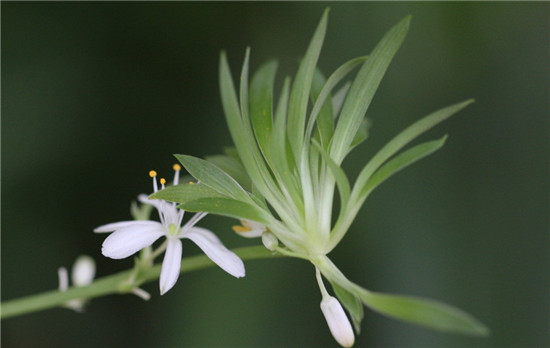
Cuttings and division propagation can be done at any time from spring to autumn. Spider plants are highly adaptable and have a high survival rate, so they are generally very easy to propagate. For cuttings, simply take a 5-10 cm stolon with new buds and insert it into the soil; roots will form in about a week, and after about 20 days it can be transplanted into a pot, watered thoroughly, and placed in a cool place for care.
Spider plant is a perennial evergreen herbaceous flowering plant with fibrous roots. It has varied forms and is also highly shade-tolerant and easy to manage. It is often used as a hanging potted plant for indoor decoration or garden landscaping. The following points should be mastered for its care:
1. Temperature regulation: Spider plants prefer a warm and humid climate and are not cold-tolerant. They grow fastest at 20-24°C, stop growing above 30°C, and their leaves easily turn yellow with dry tips.
2. Light regulation: When cultivated outdoors in summer, attention should be paid to shading so that the light is not too strong; otherwise, sunscald is very likely to occur.
3. Water and fertilizer regulation: During the peak growing seasons of spring and autumn, watering should be sufficient, and the potting soil should be kept moist regularly. Also, frequently spray the branches and leaves with clean water close to room temperature to prevent dry tips, but do not allow waterlogging.
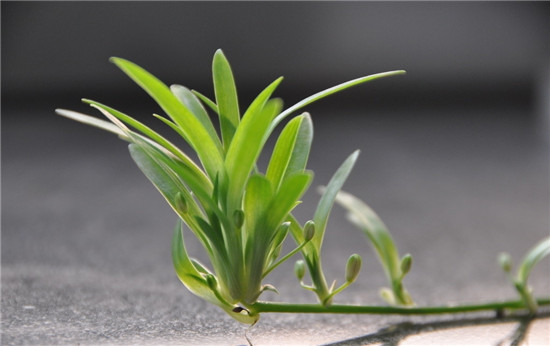
4. Pruning and repotting: As the plant grows larger, to maintain a good plant shape, old leaves at the base should be pruned frequently.
5. Pest control: Dense spider plant clumps with poor ventilation are susceptible to scale insect damage, so prevention should be the main approach.
Precautions for Spider Plant Care
1. Spider plant is a fertilizer-tolerant plant. Insufficient nutrients will cause the leaves to turn yellow, and the tips are prone to scorching and aging.
2. In spring and autumn, partial shade is preferable; in summer, it is suitable to receive light in the morning and evening and be shaded at noon, avoiding direct sunlight. In winter, expose it to more sunlight. During the growing period, keep the potting soil moist, but do not allow waterlogging.
3. Repot once every spring (mid-to-late March).
4. In summer, avoid direct sunlight. Keep the potting soil moist regularly. Apply liquid fertilizer once every 15-20 days.
5. After mid-October, hang the flowerpot indoors in a position close to the sunny side and convenient for viewing. In winter, water after the surface of the potting soil is dry to a depth of about 1 cm.
6. When the climate is dry in summer and autumn, increase the air humidity around the plant through measures such as spraying water.
7. In winter, keep the potting soil on the dry side. If the potting soil is too wet, it can induce gray mold and cause leaf rot.
8. Indoor light should not be too dim, otherwise the leaf color will become pale or yellow-green.
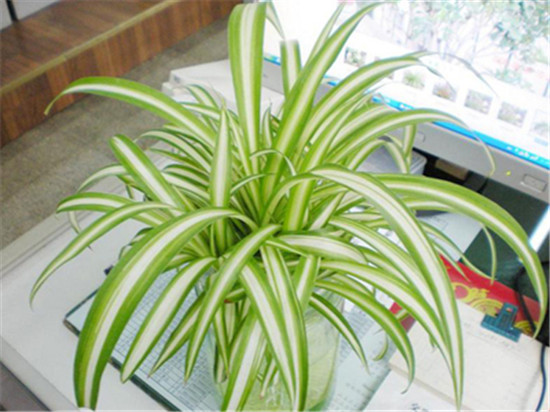
9. When watering, avoid pouring water into the center of the plant, otherwise it can easily cause the tender leaves to rot.
10. Excessive fertilization exceeds the plant's needs. At first, the leaves become glossy and uneven; later, the root system rots and the leaves turn yellow. Fertilization should be stopped, more clean water should be applied, or the pot should be turned out, the roots cleaned, and new soil replaced.
The above is the full content of the spider plant care methods and introduction to spider plant care that I have summarized for everyone. I hope this article can help everyone. Please also continue to follow us.