What Plant Is Aglaia odorata? Introducing Aglaia odorata
Aglaia odorata is an evergreen shrub or small tree of the Meliaceae family, native to southern Asia and now widely cultivated throughout the tropical regions of the world. Let us take a look at an introduction to Aglaia odorata.
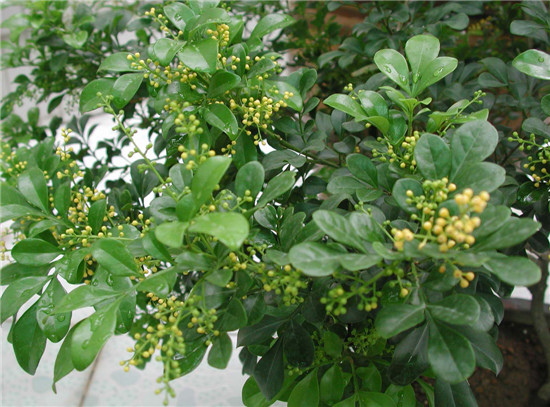
Aglaia odorata has many dense branches, and the tips of young branches bear star-shaped rusty scales that later fall off. It has odd-pinnate compound leaves arranged alternately, with a narrow wing along the leaf rachis; the 3-5 leaflets are opposite, obovate to oblong-elliptic, with a blunt tip and wedge-shaped base, hairless on both sides, entire margins, and conspicuous veins. In addition, Aglaia odorata bears axillary panicles, and the flowers produced are yellow and very fragrant. The calyx is 5-lobed, with rounded lobes. The corolla has 5 petals, oblong or nearly round, longer than the calyx. The staminal filaments are united into a tube, shorter than the petals. The pistil's ovary is egg-shaped and densely covered with yellow coarse hairs. Later, Aglaia odorata also produces berries; the berries are egg-shaped or spherical and have star-shaped scales. The seeds have a fleshy aril. The flowering period of Aglaia odorata is from July to August each year, and some bloom in all four seasons.
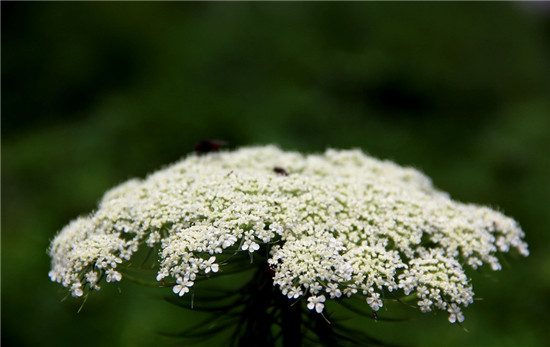
Aglaia odorata prefers a warm, humid environment with plenty of sunlight; it is relatively intolerant of cold and slightly tolerant of shade, and its optimum growth temperature is 20°C-25°C. Moreover, the soil for growing Aglaia odorata should preferably be loose, fertile, slightly acidic soil, and the winter temperature should not be lower than 10°C. Furthermore, during the growth and development period, Aglaia odorata needs to be placed outdoors in a sunny place for care, and attention should be paid to appropriately applying more liquid fertilizer containing more phosphorus; it is best to apply alum fertilizer water made by soaking and decomposing crushed bone meal, fish bones, chicken bones, etc., and frequently supplement with some chemical fertilizer containing more phosphorus or fermented rice-washing water, etc. This helps Aglaia odorata form flower buds and produce more flowers, golden yellow in color and with a fresh fragrance.
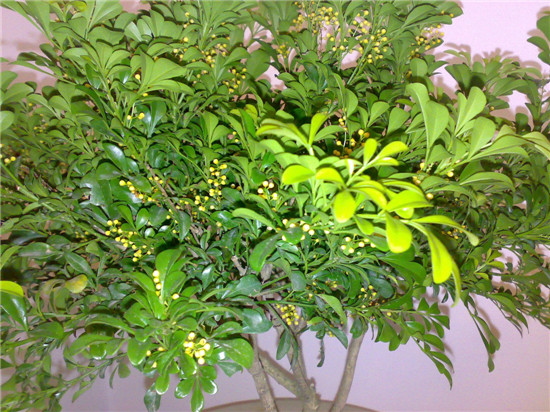
How to Grow Aglaia odorata
Aglaia odorata likes a warm, humid environment with plenty of sunlight, is not tolerant of cold, and is slightly tolerant of shade. The soil should preferably be loose, fertile, slightly acidic soil, and the winter temperature must not fall below 10 degrees. It grows year-round in open woodlands or shrublands at relatively low altitudes.
Temperature: The temperature suitable for the growth of Aglaia odorata is 20 degrees to 25 degrees. Generally, this temperature is taken as the standard, and when its flowering period arrives, if the temperature is kept at around 30 degrees, the flowers it produces will have a strong fragrant scent.
Fertilizing: Aglaia odorata relatively likes fertilizer, but more liquid fertilizer containing more phosphorus should be applied; it is best to apply alum fertilizer water made by soaking and decomposing crushed bone meal, fish bones, chicken bones, etc., and frequently supplement with some chemical fertilizer containing more phosphorus or fermented rice-washing water, etc.
Potting soil: For growing Aglaia odorata, a ceramic pot is generally used, and for the soil, a loose soil with good drainage and aeration can be chosen, such as a culture soil based mainly on leaf mold. As for repotting, it can be done once every one or two years; at other times there is no need to pay much attention to the potting soil.
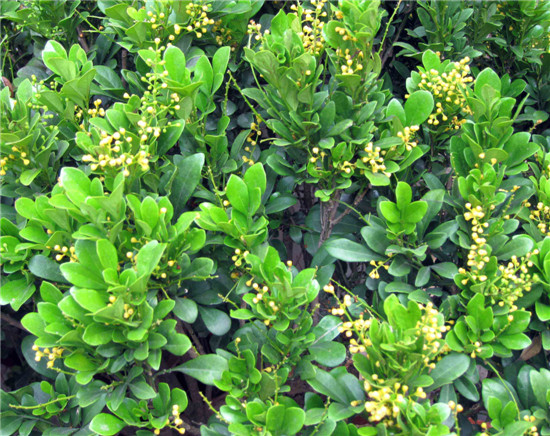
Notes on Growing Aglaia odorata
1. When Aglaia odorata is first potted, after watering it thoroughly once, it is advisable to water it sparingly within half a month to encourage new roots to grow.
2. For potted Aglaia odorata, generally the pot and soil need to be changed once every two years. Do not break up the old soil; remove part of the old soil where there are no roots and cut off rotten roots. When adding new soil, appropriately add some phosphorus fertilizer as a base fertilizer, but not too much. After potting, place it in a cool place for care, and after about a week move it to a sunny place. Changing the soil is generally best done about a week after it is brought out of the house in spring.
3. Aglaia odorata is afraid of cold, and overwintering is relatively difficult. When the temperature is below 12°C, it enters dormancy, and fertilizing should be stopped and watering reduced.
4. In early spring of the next year, wait until the temperature is stable before bringing it out of the house, so as to avoid the spring cold freezing the plant to death.
5. Newly purchased Aglaia odorata may easily drop leaves and wither because its growing environment differs from the indoor environment, such as due to the effects of temperature and light.
The above is all the content I have summarized for everyone on what Aglaia odorata is. I hope this article can help everyone. Please also continue to follow us.