Hydroponic Lucky Bamboo: Growing Methods and Cultivation Techniques
Asparagus fern is a plant with considerable ornamental and medicinal value. Asparagus fern is also known as cloud-pine, spiny asparagus, and cloud bamboo. Next, let us take a look at how to grow asparagus fern.
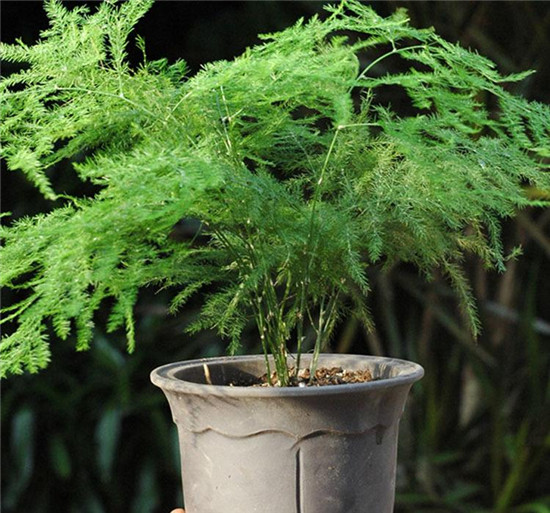
Asparagus fern prefers a warm, ventilated, semi-shaded and semi-humid environment. It is not cold-tolerant and dislikes direct sunlight. It grows best in sandy soil rich in humus with good drainage. The key to cultivating asparagus fern is watering. Too much watering and overly wet potting soil can easily cause root rot and yellowing and dropping of leaves. Too little watering and overly dry potting soil can easily cause yellowing, scorching and dropping of leaf tips.
Therefore, watering should normally be determined by the weather, the plant's growth and the condition of the potting soil. The correct approach is: do not water when the soil is not dry, and water thoroughly when you do water. Do not give "half-hearted water", that is, watering only moistens the soil surface while the lower layer of potting soil remains dry. In hot, dry weather, spray the leaves with water to increase humidity and lower temperature. In winter, water less, and keeping the room temperature above 5°C is sufficient. Asparagus fern is sensitive to smoke and dust, so the placement location should be well ventilated.
I. Propagation Methods of Asparagus Fern
Asparagus fern is generally propagated by sowing or division. Sowing is best done in March-April in spring, and germination occurs 30-40 days after sowing. It can flower and bear fruit after 4 years of normal growth. Asparagus fern 3-5 years old can be propagated by division, but when dividing, a sharp blade must be used to cut the connection point of the rhizome; otherwise, after the plant is damaged, it recovers slowly and grows unevenly, which affects its ornamental effect.
II. Preparing Potting Soil Suitable for Asparagus Fern Growth
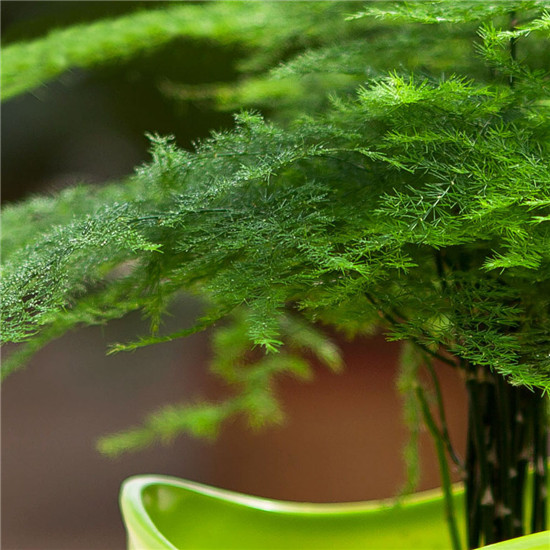
Asparagus fern is suited to growing in warm, humid soil rich in humus with good drainage. Asparagus fern is sensitive to smoke and dust; if exposed to toxic gases, its branches and leaves easily turn yellow. For this reason, during care, attention should be paid to placing it in a clean environment. Asparagus fern prefers fertile soil. If the soil is not changed and fertilizer not added for a long time, nutrients will fall short of demand, and branches and leaves will turn yellow. At this point, apply a diluted decomposed liquid fertilizer or compound chemical fertilizer once a week, and water and loosen the soil promptly; in this way, it will soon turn from yellow to green. If fertilizer is applied too concentratedly or undecomposed fertilizer is applied, it easily causes "fertilizer burn" to the roots, leading to dried and falling leaves. In this case, remove the plant from the pot to remove the fertilizer, rinse the root ball with clean water, and then replace it with new potting soil.
III. How to Water Asparagus Fern
If potted asparagus fern is watered too much, or the soil is too sticky and drains poorly, the areas between the leaves will turn scorched yellow and fall off, affecting its lifespan. Generally, water only when the potting soil is dry. In spring and autumn, watering should be reduced, adhering to not watering until dry; in winter, watering should be controlled. Too much watering and overly wet potting soil easily cause root rot and yellowing and dropping of leaves. When watering, note that the water temperature should be as close as possible to the surrounding temperature to reduce the stimulation to the root system from unsuitable water temperature. In hot, dry weather, spray the leaves with water.
IV. Fertilization Methods for Asparagus Fern
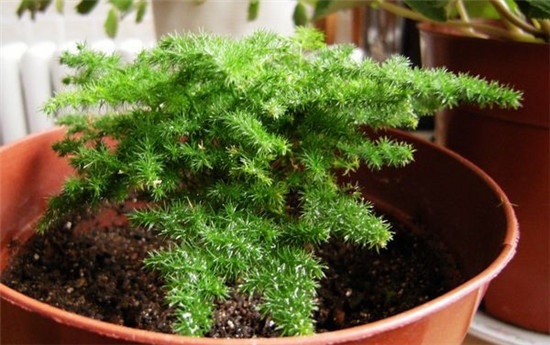
Although asparagus fern is not a heavy feeder, it still cannot do without fertilizer. Potted asparagus fern is limited by the potting soil, so nutrients must be replenished promptly to meet its growth requirements. Fertilization for asparagus fern should be light and frequent; never apply concentrated fertilizer, otherwise the branches and leaves easily turn yellow. In the spring and summer growing seasons, nitrogen fertilizer is the main choice. A diluted decomposed liquid fertilizer can be applied once a month. Once the plant's form is established, fertilization should be appropriately controlled to avoid excessive growth that affects the beauty of the plant's shape.
V. Light Suitable for Asparagus Fern Growth
When cultivating asparagus fern, never expose it to scorching sun. In the hot seasons of summer and autumn, it should be placed in a shaded, ventilated spot. During the flowering period, it fears both wind and rain. At this time, pay attention to good ventilation; otherwise, flowers will drop and no seeds will form. For potted plants, on sunny days it is suitable to place the pot outdoors to receive sunlight, which helps photosynthesis.
VI. How to Control the Growth Height of Asparagus Fern
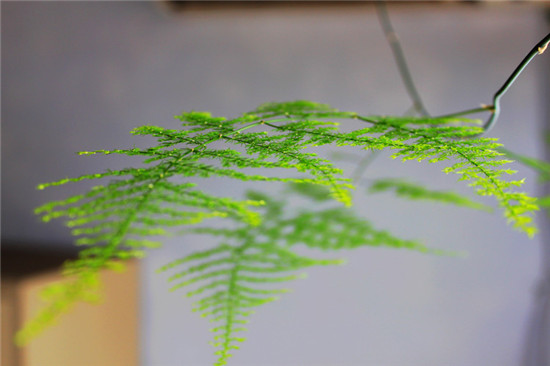
Asparagus fern has soft, delicate leaves and stems with nodes like bamboo; its posture is elegant and unrestrained, making it very popular. However, potted asparagus fern is best kept low and compact. As the years of growth increase, asparagus fern sometimes grows taller and taller, becoming sprawling and losing its refined charm. We can take advantage of the spring peak growth period: when new shoots are seen to be too thick and strong, cut them off; the newly sprouted shoots will then be finer and smaller. Each time you prune, they become finer, until you are satisfied. In this way, the goal of controlling its growth height can be achieved, always maintaining a beautiful plant shape.
The above is my complete summary of how to grow asparagus fern and how to grow potted asparagus fern. I hope this article can help everyone. Please also continue to follow us.