How to Grow and Care for Pothos and Spider Plants
Pothos (Epipremnum aureum) originates from Central and South America. To keep our pothos and spider plants alive longer and healthier, there are many things to keep in mind when growing pothos. Let's take a look together!
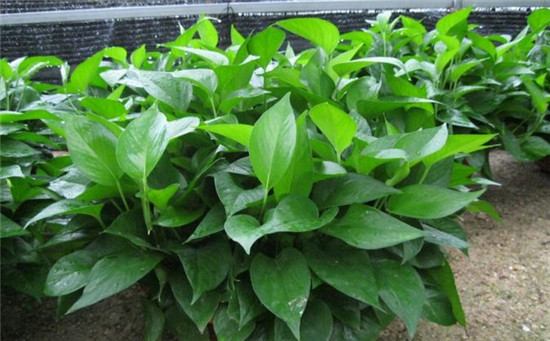
Pothos originates from Central and South America. Its vines grow several meters long, with aerial roots at the nodes. As the plant ages, the stems thicken and the leaves grow larger. The leaves are alternate, green, with a few leaves showing slight yellow mottling, entire, heart-shaped. It is a large evergreen climbing plant that grows in tropical regions, often climbing over rocks and tree trunks in rainforests, and can grow into a huge climbing plant.
It likes warm, humid environments and requires loose, fertile, well-drained soil. Potted pothos should use fertile, loose, well-drained leaf mold soil, preferably slightly acidic. Pothos is extremely shade-tolerant and can be placed year-round in a bright spot indoors. In dimly lit rooms, it should be moved every half month to a brighter environment to recover for a period, otherwise the internodes tend to elongate and the leaves become smaller. Pothos likes hot and humid environments. The overwintering temperature should not be lower than 15°C. The potting soil should be kept moist, and the leaves should be misted frequently to raise air humidity and encourage aerial root growth. During the vigorous growing season, apply liquid fertilizer once a month. For plants kept indoors for a long time, the leaves at the base of the stems tend to drop, reducing their ornamental value. In May and June, when temperatures warm up, prune and renew the plant along with cuttings to encourage new shoots from the base of the stems.
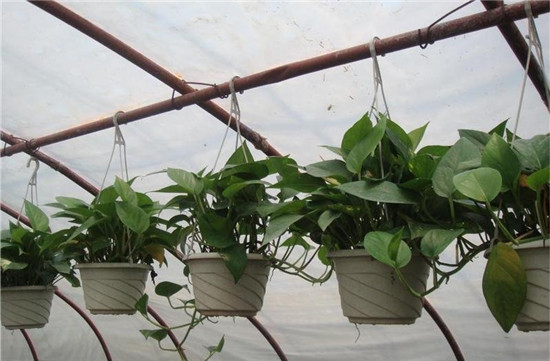
In winter, pothos can overwinter safely above 10°C, and generally grows normally above 20°C. Therefore, an ordinary home environment is quite suitable for pothos growth. The original growing conditions of pothos are in forests shaded by towering trees, so its sun-loving tendency is not strong. However, in the northern autumn and winter, to make up for the lack of temperature and photosynthesis, its light exposure should be increased. The method is to place the pothos in the brightest spot indoors, or move it to a sealed balcony to sunbathe at noon. At the same time, when temperatures are low, open windows as little as possible, because the leaves can be frostbitten within a very short time.
How to Grow Pothos and Spider Plants
1. Temperature: Pothos and spider plants like hot and humid environments. Pothos can overwinter safely above 10°C, and generally grows normally above 20°C. Therefore, when growing pothos and spider plants in winter, pay attention to keeping them warm, minimize window opening, and avoid frostbiting the pothos leaves. In addition, avoid large temperature differences and do not place pothos near heat sources.
2. Light: Pothos and spider plants like shade and cannot be exposed to direct sunlight for long periods, otherwise the leaf edges will be scorched. However, note that you should not place pothos in a completely shaded environment; provide pothos and spider plants with enough light for photosynthesis.
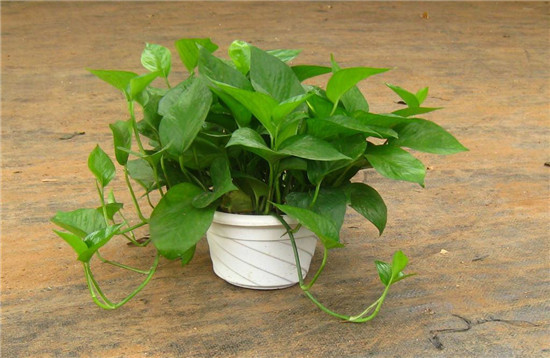
3. Water: Water spider plants so the soil stays moist; never let the potting soil dry out, otherwise it easily causes yellowing pothos leaves and poor plant shape. But water in moderation; overwatering causes waterlogging in the pot, leading to root rot and withered leaves. In winter, when temperatures are low, watering can be reduced, and during the growing season, water appropriately more. Also, note to mist the leaf surfaces to wash off dust, which helps keep the leaves glossy and emerald green.
4. Fertilizer: To fertilize pothos leaves, use a dedicated fertilizer. In autumn and winter, pothos mostly grows slowly, so reduce fertilization. Before winter arrives, mainly apply liquid inorganic fertilizer, about once every 15 days. After winter arrives, fertilization is mainly by foliar spraying.
5. Soil selection for potted pothos: For potted pothos, use fertile, loose, well-drained, slightly acidic leaf mold soil.
6. Pest and disease control: Treat pests and diseases promptly when discovered. In addition, regularly wiping the leaves can play a certain role in preventing pests and diseases.
Precautions for Growing Pothos and Spider Plants
1. After the frost-damaged leaves of pothos turn yellow and fall off, the plant will sprout again, so there is no need to worry too much when growing it.
2. Generally, newly bought pothos has an adaptation period of about 1 month, and yellow leaves at the bottom are normal. However, remember: do not directly pull off yellow or dead leaves; cut them off from the middle of the leaf stalk. This can avoid the yellowing of upper leaves caused by direct removal.
3. When growing pothos and spider plants, provide appropriate ventilation.
4. If the pothos leaves are severely yellow, be sure to control watering and place the pothos in a well-ventilated, bright spot.
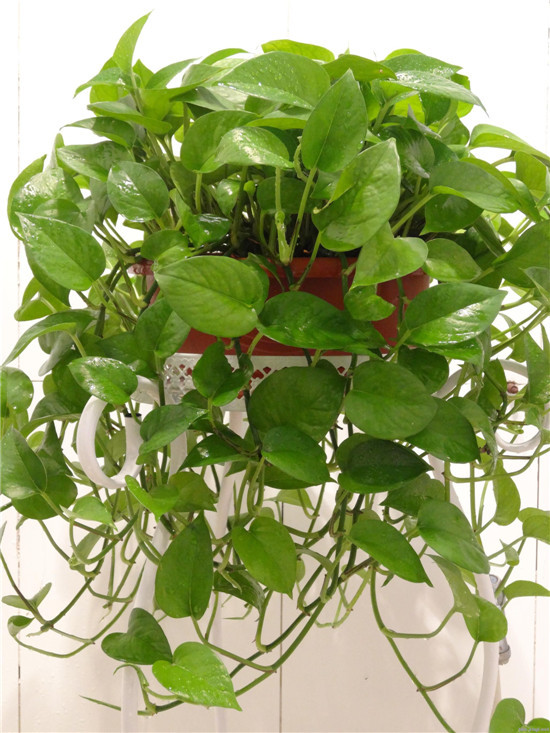
5. When pothos grows very long and climbs over the top of the support pole, it should be cut off, or the head should be turned upside down to let it climb downward; do not let it grow at will.
The above is the full content of growing pothos and spider plants and caring for pothos and spider plants that I have summarized for everyone. I hope this article can help you. Please also continue to follow us.
Or turn the head upside down to let it climb downward; do not let it grow at will.The above is the full content of growing pothos and spider plants and caring for pothos and spider plants that I have summarized for everyone. I hope this article can help you. Please also continue to follow us.