Can Drip Guanyin be grown in water? Introduction to hydroponic growing methods
Drip Guanyin (Alocasia macrorrhizos) is a fairly common foliage plant with the advantages of fast growth and easy survival, so many people not only grow it in soil but also want to grow it in water. Here we will discuss the methods for growing Drip Guanyin in water.
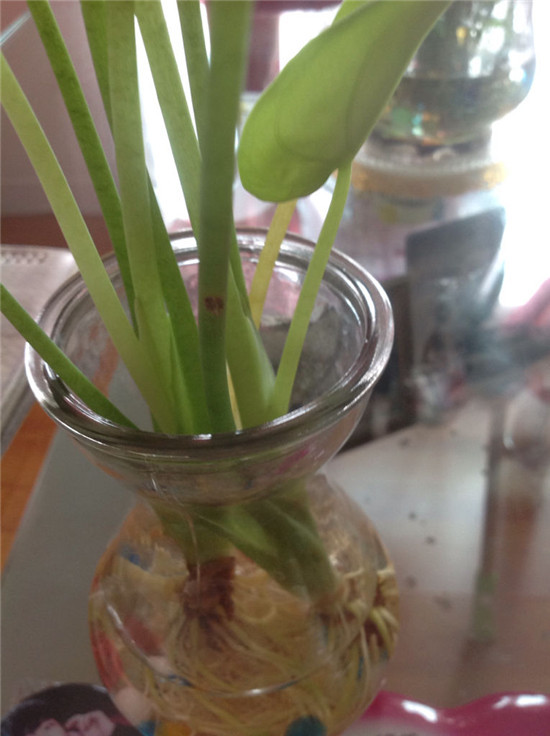
Drip Guanyin, of the Araceae family and Alocasia genus, also known as Drip Lotus and Buddha's Hand Lotus, is a perennial evergreen herbaceous plant with medicinal value.
Hydroponic methods for Drip Guanyin
1. Choose the Drip Guanyin you want to grow in water, then rinse the roots, and remember to rinse them clean.
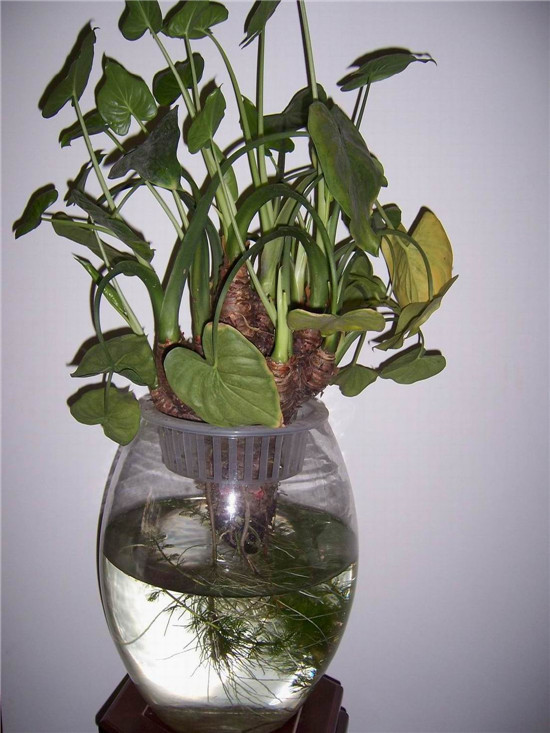
2. Because the stem and root tissues of Drip Guanyin are relatively loose, it has high requirements for water quality. Be careful to keep the water clear and sanitary, otherwise the stem and roots are prone to rot.
3. In summer, increase the frequency of water changes, and keep air humidity no lower than 60%. Spray water frequently to create a relatively cool and moist environment for it. In winter, to keep its leaves dark green, generally spray with warm water once a week.
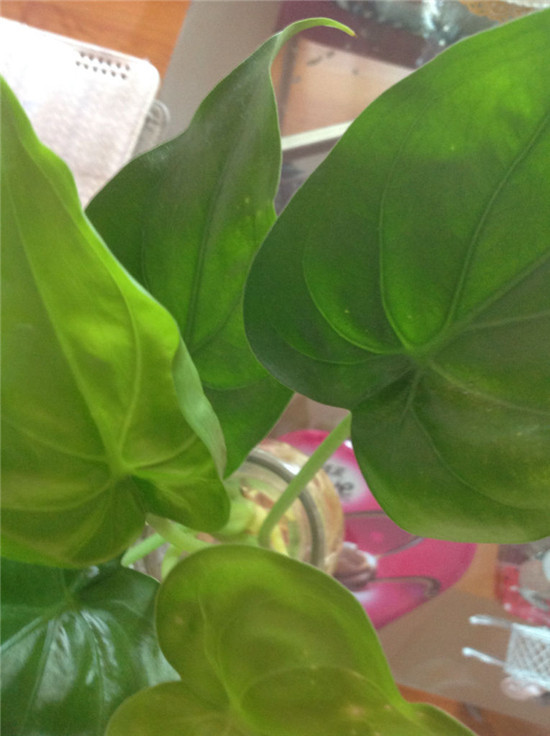
4. The water level only needs to cover 2/3 of the roots. The roots of the plant need to breathe oxygen, so they must not be completely submerged. Frequently clean the inner wall of the container to prevent the growth of blue-green algae.
5. The sap in the stems and leaves of Drip Guanyin is toxic. Pay attention during care and management: it must not be ingested, and contact with the skin will cause itching and redness and swelling. Rinse promptly with water, or wear plastic gloves to make handling safer.
6. Regularly add an appropriate amount of nutrient solution; it is available at all flower markets now. At the beginning of hydroponic growing, do not add nutrient solution before new roots have grown.
Precautions
Flower lovers should be reminded that the white sap in the stem of Drip Guanyin is toxic, and the water dripping from it is also toxic. Accidental contact with or ingestion of its sap will cause discomfort in the throat and mouth, and a burning pain in the stomach. Special care should be taken to prevent young children from ingesting it by mistake. However, Drip Guanyin is not a carcinogenic plant.
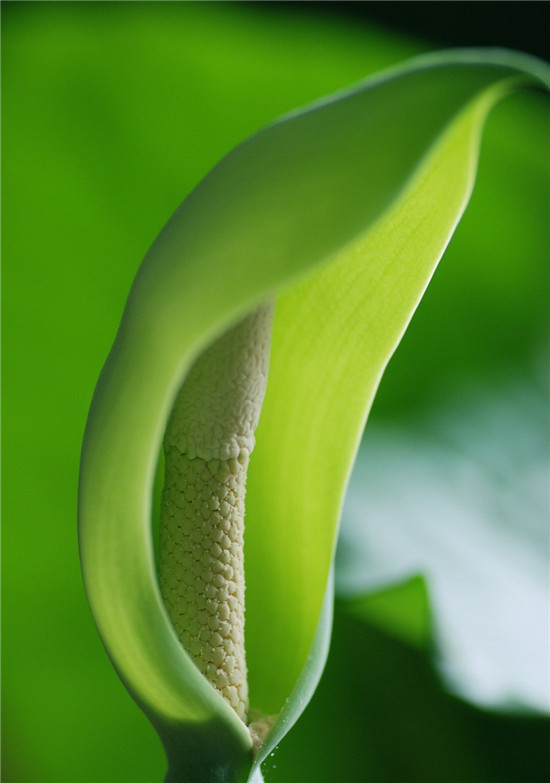
Precisely because Drip Guanyin is toxic, skin contact with its sap will cause itching or strong irritation, and eye contact with the sap can cause severe conjunctivitis, or even blindness. Mistakenly eating the stems and leaves will cause symptoms of nausea and pain, and in severe cases can also cause suffocation, leading to death from cardiac paralysis. Therefore, contact with Drip Guanyin should be minimized as much as possible, and families with small children had best not plant it.
Diseases of Drip Guanyin show on the leaves, generally in two types: one is leaf spot disease, and the other is anthracnose. For leaf spot disease, spray the leaf surface with an 800-fold dilution of chlorothalonil or carbendazim, 2-3 times in a row, with 7 days between each application. For anthracnose, spray the leaf surface with a 500-fold dilution of 75% thiophanate-methyl, once every 7 days, 2-3 times in a row, which can basically bring it under control. Because Drip Guanyin is a foliage plant, once the leaves become diseased, it will inevitably affect its ornamental effect, so prevention should be the priority.
On the stems, there is a type of wilt disease caused by bacterial infection. This disease is not easy to detect at first, and once discovered it is already very serious. If you find that the stem is leaning to one side, or there are wilting spots, then it has definitely developed wilt disease. You can use a small knife to cut out the diseased part; the boundary between the diseased part and the healthy part is very obvious, and generally it can be broken off by hand. If the diseased part is less than one third of the stem, you can apply a layer of chlorothalonil solution to the healthy part, keep it dry, apply it again after ten days, and it can basically heal after 20 days.
The most serious pest of Drip Guanyin is mites, that is, what is usually called red spider mites. Red spider mites generally live on the underside of leaves. They not only suck the nutrients from the leaves but also spread various viruses, seriously affecting the growth of the plant, so you must check frequently and treat immediately once discovered. Drugs such as mite clear, saomanging and imidacloprid can be used for treatment.
The above is all the content I have summarized for everyone on whether Drip Guanyin can be grown in water. I hope this article can help everyone. Please also continue to follow us.