Reasons for Yellowing Leaves on Alocasia and How to Treat Them
Alocasia (Alocasia macrorrhizos) is a common ornamental plant that does an excellent job of raising indoor air humidity. Let us now take a look at the reasons why its leaves turn yellow.
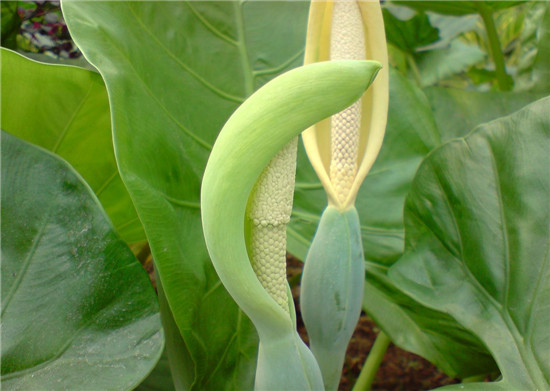
Reasons for yellowing leaves on Alocasia:
1. Spider mites. You can check whether the leaf surface has white speckles, a waxy feel, a rough texture, and no glossy sheen. If so, spider mites are the culprit. The solution is to wash the plant with soapy water twice, with two days between each washing, and that will take care of it.
2. If the soil is too poor and lacks nutrients, the leaves will also turn yellow. Therefore, it is very necessary to add nutrients to the soil in time by applying some nitrogen and phosphorus fertilizer and organic fertilizer.
3. Alocasia is fairly well adapted to a warm and humid climate. Because winter temperatures are low, leaving it outdoors for a long time easily causes cold damage and yellowing leaves. In this case, place it indoors at a constant temperature and in a spot with ample light.
4. A heavy buildup of dust on the leaves blocks the leaves from absorbing light and causes them to turn yellow. Therefore, maintain the leaves regularly and wipe them with clean water.
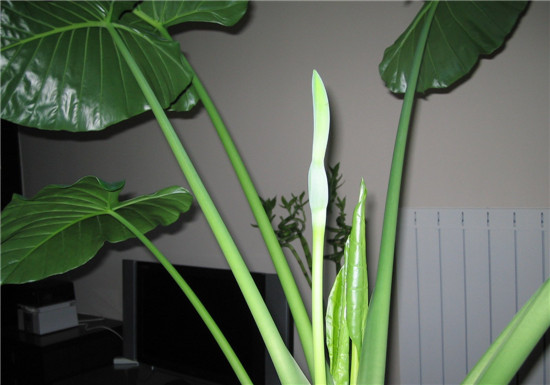
5. Not watering for a long time will also cause yellowing leaves due to drought. So keep the soil moist at all times, and when watering, make sure to water thoroughly rather than just wetting the soil surface.
What to do if Alocasia has root rot:
Although Alocasia is not strict about its potting soil, sticky soil with poor aeration tends to hold water and is very prone to rhizome rot. Therefore, choose a potting soil that drains well, is fertile, and is slightly acidic.
Root rot often occurs in hydroponically grown Alocasia because the stem tissue of Alocasia is fairly loose; if the water quality is poor, it easily causes root rot and stem rot. The solution is to keep the water in the bottle clean, clean the slime off the tuber and roots when changing the water or nutrient solution, and cut away the rotted roots. Some gardeners also suggest putting the fibrous roots of the Alocasia in water while keeping the bulbous part of the roots separated from the water. Once rot is found on the bulbous part, cut it off as soon as possible, wash it clean, and continue keeping it separated from the water; this is a fairly good way to prevent Alocasia root rot.
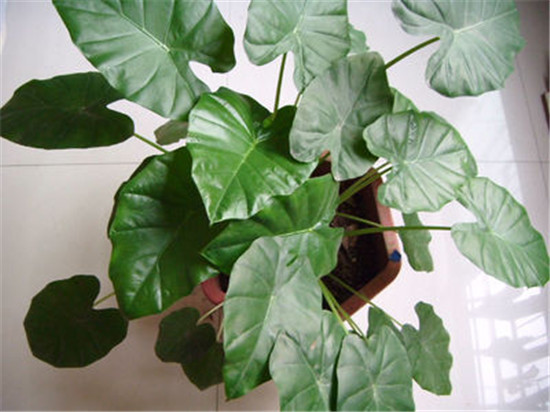
How to grow Alocasia:
Alocasia is an ornamental flowering plant that likes warmth, moisture, and ample sunlight. Its peak flowering period is from February to April, and its dormant flowering period runs from November to May or June of the following year.
The growing temperature for Alocasia is 20-30°C, and it can tolerate low temperatures down to 8°C. Alocasia likes a semi-shaded environment, so it should be placed somewhere that is both shaded and well ventilated.
Alocasia is especially fond of moisture. During the growing season it requires not only moist potting soil but also air humidity of no less than 60%. In summer, when temperatures are high, increase misting; in winter, control watering, and misting once a week with warm water is enough to keep its leaves a deep green, otherwise Alocasia is prone to root rot.
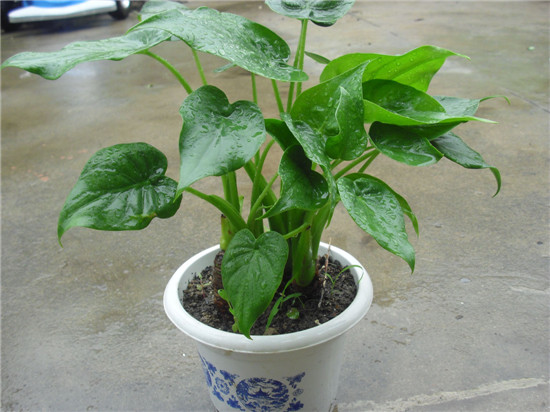
Alocasia can be grown in a nutrient soil mixed from leaf mold, peat soil, river sand, and a small amount of thoroughly composted cake fertilizer; it can also be grown hydroponically. Alocasia likes fertilizer, so from March to October, apply a liquid fertilizer once every half month, and the proportion of nitrogen can be appropriately increased; when the temperature is below 15°C, stop fertilizing.
The above is the complete content of my summary of the reasons for yellowing leaves on Alocasia and how to handle them. I hope this article can help everyone. Please also keep following us.