What are the uses of asparagus fern? What are the benefits of asparagus fern?
Asparagus fern, also called cloud-pine, is a common perennial herbaceous plant and a well-known ornamental plant. Let's take a look at the uses and benefits of asparagus fern.
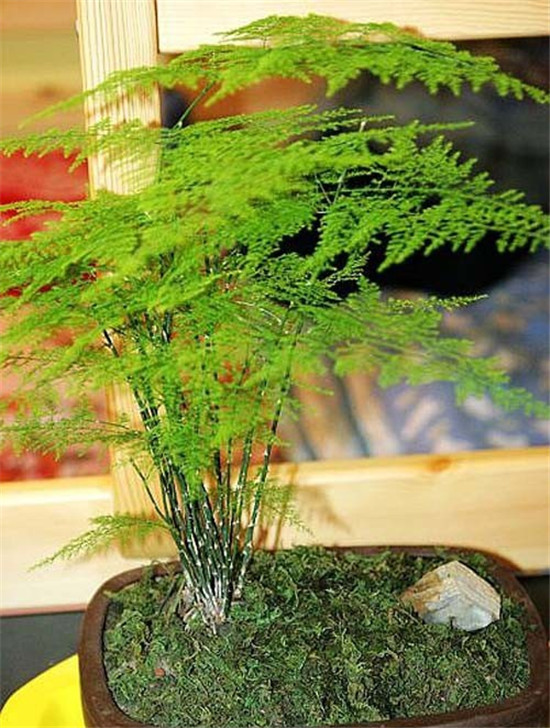
Asparagus fern is fairly shade-tolerant, and a semi-shaded environment is generally the most suitable for growing it. But when winter temperatures are low, it must be given good light conditions so it can withstand the cold and survive the winter while staying green.
It likes fertilizer but dislikes concentrated fertilizer. It is best to water it once a week with diluted organic fertilizer solution, or you can use a special fertilizer for soilless cultivation. Both a lack of fertilizer and concentrated fertilizer will cause yellowing and withered leaves in asparagus fern. Stop fertilizing when the temperature is above 20°C or below 10°C in winter.
It likes moisture but fears waterlogging, so watering requirements are relatively high. You should pay close attention to the frequency of watering, and absolutely never wait until the soil is completely dry before watering. Keep the soil moist without letting it dry out completely, and always water thoroughly each time. Too much water easily causes yellow leaves. If there is a saucer under the pot, be sure to promptly pour out any accumulated water in it, to avoid the bottom being blocked by water and affecting air circulation. The water used for watering should preferably be close to the ambient temperature where the plant is growing; if the temperature difference is too great, yellow leaves are likely to appear.

The methods for propagating asparagus fern are generally sowing and division. Sowing is done in March-April, sown in spots in a 10 cm shallow pot, covered with soil and then watered thoroughly, covered with glass, and kept at 20-25°C. It needs 20-30 days to germinate, and when the seedlings are 5 cm tall they can be potted. Division generally uses larger plants and is done together with repotting and changing the soil; simply pull them apart and plant separately. Just be careful not to damage the roots too severely, otherwise recovery will be affected.
The uses and benefits of asparagus fern:
1. The uses of asparagus fern
Asparagus fern, also called cloud-pine, thorny asparagus, and cloud bamboo, is an evergreen foliage plant with high ornamental value. It is Asparagus plumosus of the Liliaceae family, genus Asparagus. The roots of asparagus fern can be used as medicine; they have the effect of treating acute bronchitis and relieving cough, and have the benefit of moistening the lungs. It is mainly grown in pots for its foliage, and is also an important material for cut foliage.
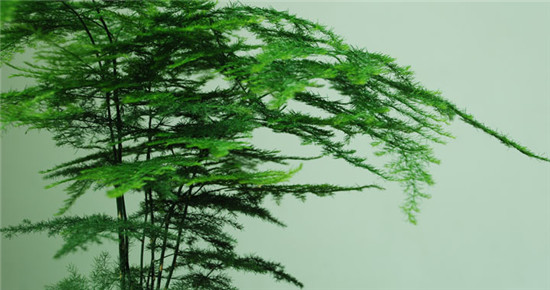
Asparagus fern is said to improve cultural refinement, and it can have a certain regulating effect on people with liver disease, depression, or low mood. At night, besides absorbing harmful gases such as sulfur dioxide, nitrogen dioxide, and chlorine, asparagus fern can also secrete gases that kill bacteria, reducing the occurrence of infectious diseases such as colds, typhoid, and laryngitis, which is very beneficial to human health.
2. The benefits of asparagus fern
What are the benefits and uses of asparagus fern? Let me continue explaining to everyone. Asparagus fern tastes bitter, but good medicine tastes bitter. It truly has the benefits of cooling the blood and detoxifying, and promoting urination to treat strangury. The usage is to take 5-8 qian of asparagus fern, decoct in water and take with rock sugar. How do you identify the roots of asparagus fern?
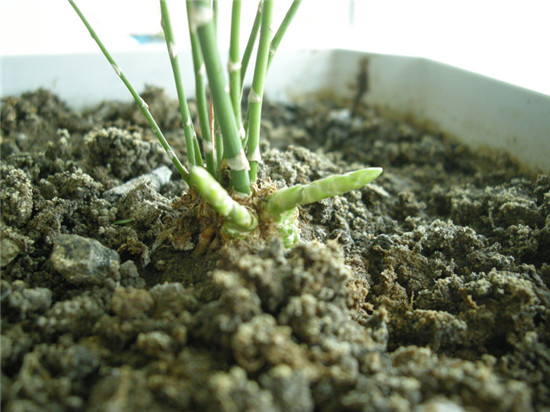
The surface is yellowish-white, with wrinkles of varying depth, and has slender branch roots. The texture is relatively flexible and not easy to break, and the cross-section is yellowish-white. It has a faint fragrance and a bitter taste.
Besides what has been introduced, asparagus fern has some other benefits for us. At night, besides absorbing harmful gases such as sulfur dioxide, nitrogen dioxide, and chlorine, it can also secrete gases that kill bacteria, thus reducing the occurrence of infectious diseases such as colds, typhoid, and laryngitis in humans, which is very helpful to our lives.
The above is all the content I have summarized for everyone on what the uses of asparagus fern are and what the benefits of asparagus fern are. I hope this article can help everyone. Please also continue to follow us.