How to Grow Pothos? Detailed Guide to Planting Methods and Care Tips
Pothos is an evergreen perennial herbaceous plant of the genus Scindapsus in the Araceae family. Pothos has excellent effects on greening the environment and absorbing polluted air. Next, let us take a look at how to grow pothos.
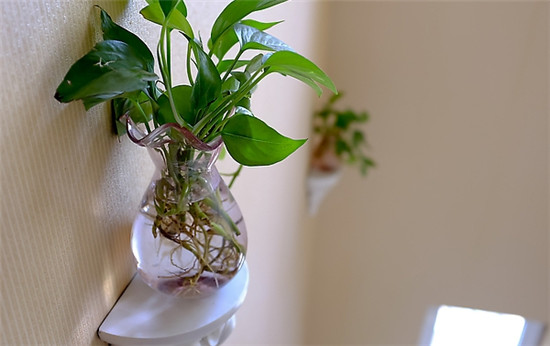
Planting Potted Pothos
For potted pothos, use fertile, loose, well-draining leaf mold soil, preferably slightly acidic. Pothos is extremely shade-tolerant and can be placed in a sunny indoor spot year-round. In dimly lit indoor areas, it should be moved to a brighter environment every half month for a period of recovery; otherwise, the internodes tend to elongate and the leaves become smaller.
Pothos prefers a hot and humid environment. The overwintering temperature should not be lower than 15°C. The potting soil should be kept moist, and the leaves should be misted frequently to raise air humidity, which benefits the growth of aerial roots. During the vigorous growth period, apply liquid fertilizer once a month. For plants kept indoors for a long time, the leaves at the base of the stems tend to drop, reducing their ornamental value. In May and June when temperatures warm up, pruning and renewal can be done together with cuttings to encourage new shoots to sprout from the base of the stems.
Pothos is usually propagated by cuttings and stem layering. In late spring and early summer, select healthy pothos vines and cut 15 cm to 30 cm stems, remove the leaves from the basal 1 to 2 nodes, being careful not to damage the aerial roots, then insert them into plain sand or coal cinders to a depth of 1/3 of the cutting. Water thoroughly and place in a shaded spot. Mist the leaves daily or cover with plastic film to retain moisture. As long as the environment is kept at no less than 20°C, the survival rate is above 90%.
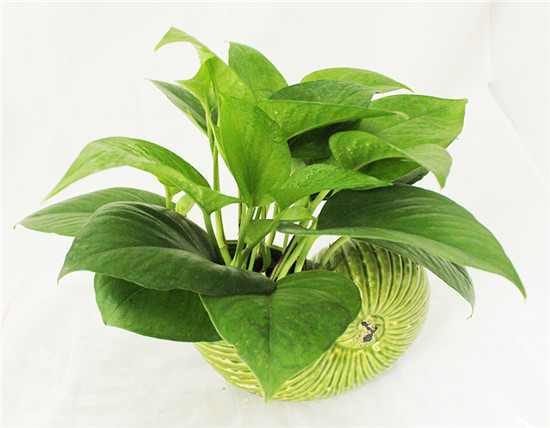
Propagation Methods for Hydroponic Pothos
1. Hydroponic pothos is mainly propagated by cuttings. In late spring and early summer, cut 15 cm to 30 cm stems, remove the leaves from the basal 1 to 2 nodes, and plant directly in potting soil, 3 to 5 stems per pot. Water thoroughly and place in a cool, ventilated spot. Keep the potting soil moist. Roots and sprouts will appear in about one month, and within the same year it will grow into a plant with ornamental value. Cuttings taken in spring and summer root easily; for making a totem pole, tip cuttings with large leaves must be used, as this shapes up faster. Hydroponic pothos can also be grown in water, but the plants are smaller compared to soil-grown ones. Newly cut hydroponic pothos grown in water generally takes about a week to develop roots.
2. In northern regions during autumn and winter, to compensate for the lack of temperature and photosynthesis, its light exposure should be increased. The method is to place the hydroponic pothos in the brightest spot indoors, or move it to a sealed balcony to bask in the sun at noon. At the same time, when temperatures are low, open windows as little as possible, because leaves can be frostbitten in a very short time. At a room temperature above 10°C, hydroponic pothos can safely overwinter; at a room temperature above 20°C, hydroponic pothos can grow normally. Generally, households can reach this temperature without much trouble. What needs attention is avoiding excessive temperature differences, and also making sure the leaves do not come close to heating equipment.
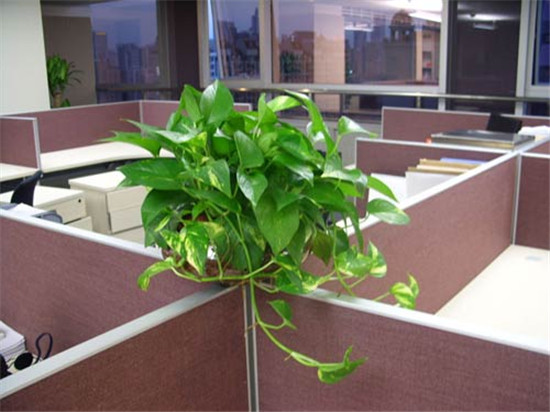
Pothos cultivation mainly requires attention to the following aspects:
1. Provide the Light Needed for Pothos Growth
When cultivating pothos, place it in a bright indoor spot, or move it to a balcony to bask in the sun at noon. Although pothos is not strongly phototropic, in winter its light exposure should be increased to ensure it can carry out normal photosynthesis.
2. Control the Temperature for Pothos Growth
When cultivating pothos in winter, the temperature should preferably be above 10°C, and excessive temperature differences should be avoided. Especially when temperatures are low, a careless mistake in cultivation may cause the pothos leaves to be frostbitten.
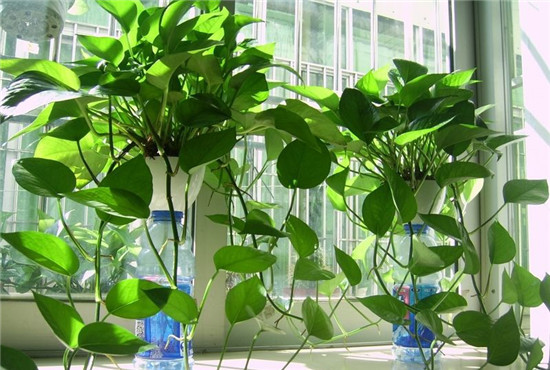
3. Humidity Requirements for Pothos Growth
When cultivating pothos, pay attention to the ambient humidity. Increasing humidity benefits the growth of pothos. A humidifier or misting can be used to supplement humidity for pothos. However, it should be done in moderation to avoid affecting the respiration and photosynthesis of pothos.
4. Water Control for Pothos Growth
The amount of watering for pothos in autumn and winter should be strictly controlled according to room temperature. When the temperature is lower in winter, watering should be reduced, and the amount can be controlled at 1/4-1/2 of the original.
5. Fertilization Management for Pothos
Before winter arrives, pothos can be fertilized appropriately. Fertilization is mainly foliar feeding, and the fertilizer is mainly a liquid inorganic fertilizer. Fertilizing once about every 15 days is best.
The above is all the content I have summarized for you on how to grow pothos. I hope this article can help everyone. Please also continue to follow us.