What to do when asparagus fern leaves turn yellow? Causes and solutions
When growing asparagus fern indoors, yellowing leaves are a fairly common occurrence. There are many possible reasons for asparagus fern leaves turning yellow, so let us summarize them one by one.
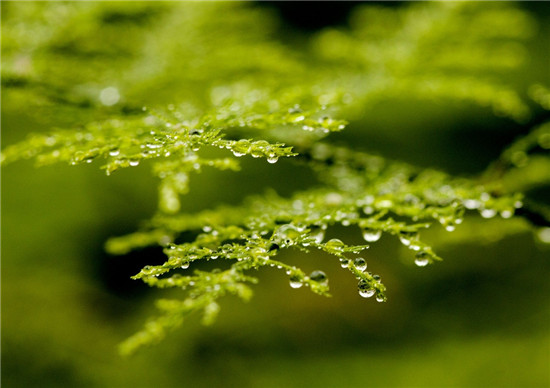
Asparagus fern is a shade-loving plant that prefers a warm and humid climate; it can neither tolerate cold nor endure summer heat. In winter, the temperature must not drop below 10°C. If it falls below 5°C, it will suffer cold damage. If the summer temperature exceeds 5°C, growth will stop and the "leaves" will turn yellow. It has fairly strict requirements for light conditions: it can neither be shaded all year round nor withstand direct sun exposure, and half a day in the blazing sun will also cause it to wither and yellow. Therefore, asparagus fern should be moved indoors for cultivation and placed in scattered light to grow, avoiding direct sunlight. Keep the soil fertile with good drainage and aeration, and control the indoor temperature above 5°C in winter so it can survive the winter safely.
Investigating the reasons for asparagus fern leaves turning yellow, it may be caused by too strong light, overly rapid water evaporation, the potting soil being too dry, or poor aeration in the pot; in severe cases, leaf drop and withering may also occur. To make asparagus fern lush with green color and upright stems, attention should be paid to applying more nitrogen and potassium fertilizer. Generally apply once about every half a month, and at the same time always ensure sufficient moisture in the pot.
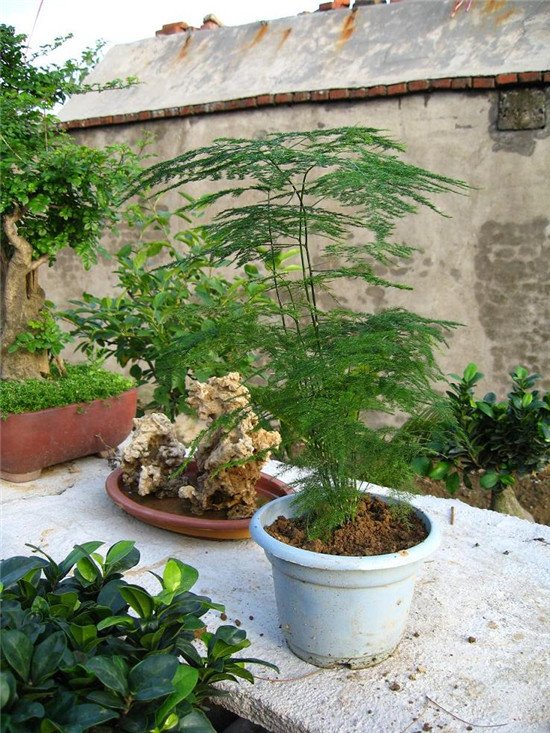
The main causes of asparagus fern leaves turning yellow are the following 6 aspects:
1. Strong light exposure. Asparagus fern prefers semi-shade for cultivation, and in summer it should not be exposed to strong direct sunlight, otherwise the branches and leaves will wither and yellow. The solution is to move the flowerpot to a shady place and spray more water on the branches and leaves to increase humidity.
2. Improper watering. Although asparagus fern likes moisture, it can also become waterlogged from being too wet, so during cultivation it is best to keep the potting soil alternating between dry and moist. Generally, do not water until it is dry, and when watering, water thoroughly, but do not allow too much standing water on the pot surface. If overwatering occurs, you can temporarily stop watering and instead only spray water on the leaf surface to keep the asparagus fern moist.
3. Improper fertilizing. Fertilizing too heavily or applying unmatured fertilizer will both cause asparagus fern leaves to turn yellow and drop. And if the nutrients in the potting soil are too poor, it will likewise cause asparagus fern leaves to turn yellow. So when fertilizing, pay attention to light application; you can fertilize more times with a smaller amount each time, and use matured fertilizer. For situations that have already occurred, changing the potting soil can solve it. It is worth noting that fertilizing is not suitable during the low-temperature period in winter and the high-temperature period in summer.
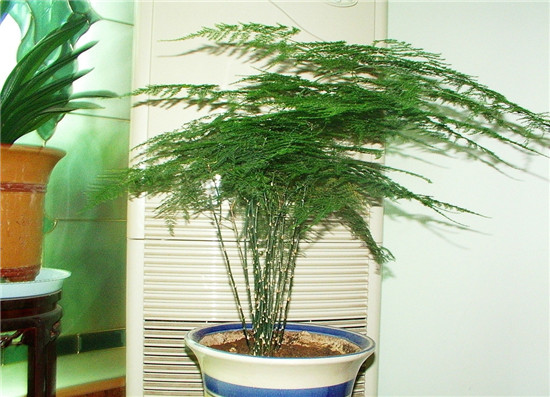
4. Gas poisoning. Asparagus fern is very afraid of smoke and dust. If it is often exposed to harmful gases such as smoke and dust, the asparagus fern will show poisoning symptoms of yellowing branches and leaves. When this happens, promptly move the flowerpot away from its original position and increase the work of sprinkling water on the leaf surface to remove dust.
5. Insect pests. Scale insects are the most common pest in asparagus fern cultivation. When scale insects are found, they should be promptly wiped off with a wet cloth strip; in severe cases, buy [insecticide] from a pharmacy for control, and promptly change the potting soil. When changing the potting soil, the old and residual roots can be cut off to reduce nutrient consumption.
6. Inadequate winter management. In asparagus fern cultivation, it should be kept at a certain temperature, especially in winter it should be placed in a sunny position. If asparagus fern is placed for a long time in a place lacking light, poorly ventilated and cold, it is very easy for the asparagus fern leaves to wither and dry up. In winter, the temperature for asparagus fern cultivation generally must not be lower than 12°C, and it should be placed in a place with better light, and watering can be appropriately reduced.
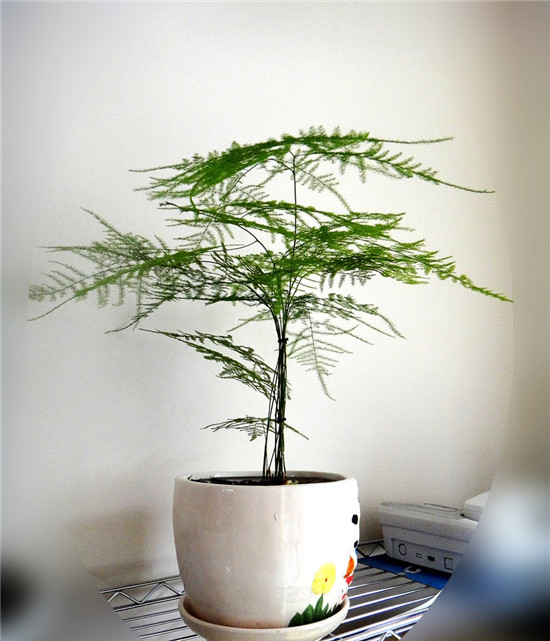
The above is all the content I have summarized for everyone on what to do when asparagus fern leaves turn yellow and how to solve it. I hope this article can help everyone. Please also continue to follow us.