Is Pothos Toxic? Analyzing the Toxicity of This Green Plant
Pothos is a fairly common ornamental plant. Can pothos be kept indoors? Let's take a look together!
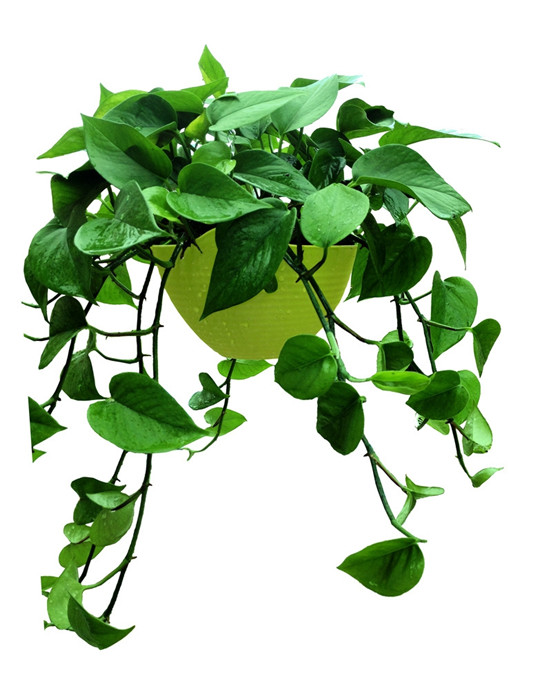
The sap of pothos is mildly toxic, but as long as it is not eaten, it has no effect on the body. Many people now know that Alocasia (elephant's ear) is toxic. In fact, pothos, like Alocasia, belongs to the Araceae family, and its toxic part is mainly its sap. The sap is toxic; touching the skin can cause redness and itching, and accidental ingestion can also cause a sore throat.
It is a fact that pothos is toxic, but growing it at home is no problem, because as long as you do not eat the sap of pothos, it will not cause poisoning. Although the sap of pothos is toxic, it is only mildly toxic. During cultivation, even if you touch the leaves of pothos, as long as you do not directly eat them, it will not affect your body. In addition, many people now grow pothos hydroponically. If you touch the water it is grown in, as long as you do not drink it, there is generally no harm.
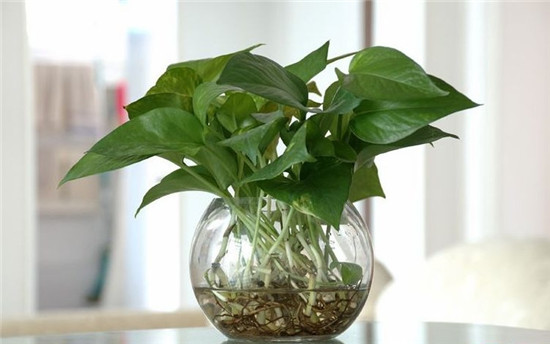
Of course, accidental ingestion is one aspect, and contact is also an issue to watch out for when growing it. As a plant with mildly toxic sap, accidental ingestion may cause allergic reactions. Therefore, during everyday cultivation, everyone should be especially careful not to put it in the mouth, and it is best not to let food come into contact with pothos.
Regarding the effect of pothos sap on the body, experts say that the sap of pothos is toxic. Whether it is an adult or a child, contact with the skin may cause redness, swelling and itching, and accidental ingestion may also cause a sore throat. For toxic plants such as pothos, the toxins mainly come from the sap in the plant's stems. Even if they are grown at home or in the office, as long as you do not directly touch the sap with your hands, it will not cause poisoning.
The benefits of pothos include:
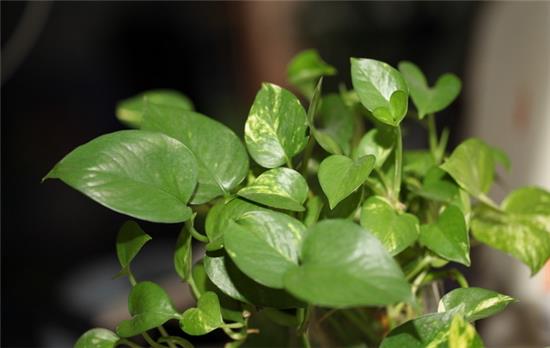
1. Pothos is one of the very best indoor decorative plants, a climbing vine grown for its foliage. Its stems are slender and soft, and its leaves are delicate and elegant. Place a pot on top of a cabinet and let its vines hang down freely, or once the vines hang too long, loop and hang them into a ring, just like an emerald relief. This not only makes full use of space and purifies the air, but also adds a green decoration with lively lines and bright colors to a dull cabinet surface, full of vitality and adding a warm touch of charm to the room.
2. Environmental scientists have found that one pot of pothos in a room of 8-10 sq m is equivalent to an air purifier, effectively absorbing harmful gases in the air such as formaldehyde, benzene and trichloroethylene. Pothos not only has strong vitality, but when placed indoors, its air-purifying ability is no less than that of ivy and spider plant.
3. We can see that the plants usually placed on the windowsill in ordinary homes are pothos, because it is especially small in size and fits perfectly on the windowsill, neither crushing the windowsill nor blocking the owner's view of the beautiful scenery beyond it. Pothos can let in the wind and keep the room ventilated. Why is that? Plants themselves also breathe, absorbing carbon dioxide and giving off oxygen. Pothos is usually placed by the window; when it is too windy outside, it blocks some of the wind, and when there is no wind, it also releases fresh oxygen on its own. The oxygen enters the space we live in, making us more energetic and the indoor air fresher.
How to grow pothos and things to note:
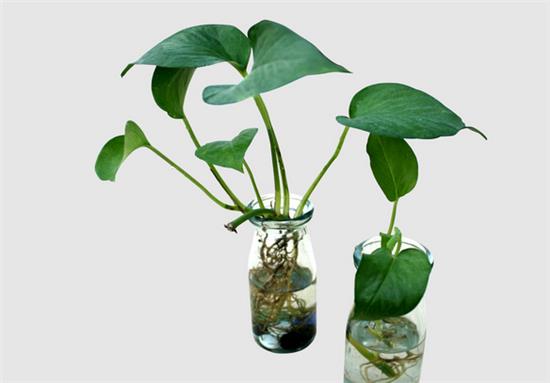
1. Water more. Pothos likes moisture, so water it more to keep the potting soil moist. In summer, not only should you water more, but you should also frequently spray water on the leaves. However, exactly how much water to give should be determined according to the amount of potting soil and the size of the plant.
2. It cannot be exposed to strong sun. Pothos grows in forests shaded by towering trees, so its light preference is not strong, and it cannot be exposed to the sun, otherwise new leaves will become smaller and the leaf color dull, and the leaf edges are easily scorched. But it also needs moderate exposure to sunlight for photosynthesis.
3. At a suitable temperature. If the temperature is too low, pothos may get frostbitten. A room temperature of around 20°C is recommended, and you should also be careful not to let the leaves get close to heating equipment. As long as the temperature does not drop below 10°C, pothos can safely overwinter.
4. Fertilizing. Because it is grown indoors, the plant itself has a hard time accessing nutrients. It is recommended to apply fertilizer once every half month. You can buy fertilizer specially made for pothos on the market. Or ask the florist to help choose fertilizer.
5. Maintain air humidity. Pothos grows faster in environments with higher air humidity. It is recommended to maintain indoor humidity, and you can use a humidifier to increase air humidity.
The above is all the content I have summarized for you on whether the green plant pothos is toxic. I hope this article can help everyone. Please also continue to follow us.
let them help choose fertilizer.5. Maintain air humidity. Pothos grows faster in environments with higher air humidity. It is recommended to maintain indoor humidity, and you can use a humidifier to increase air humidity.
The above is all the content I have summarized for you on whether the green plant pothos is toxic. I hope this article can help everyone. Please also continue to follow us.