What is the flower language of white hyacinth? A complete guide to the flower language of common flowers
What is the flower language of white hyacinth? A complete guide to flower language
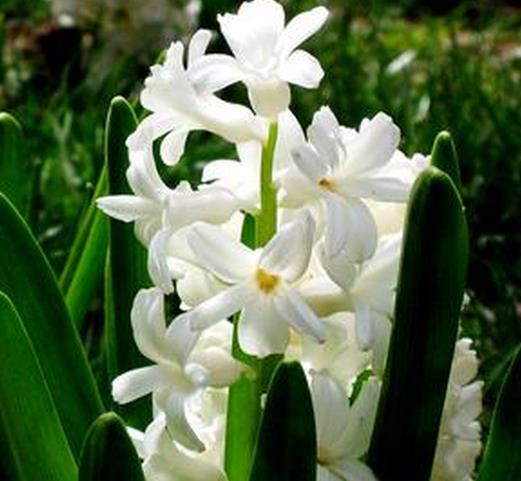
Introduction to the flower language of hyacinths in other colors
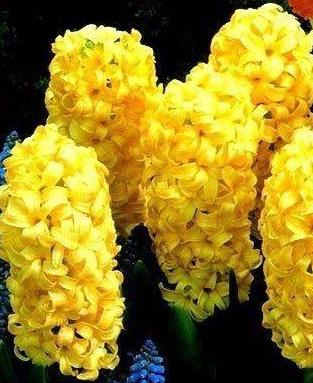
The flower language of yellow hyacinth
The flower language of yellow hyacinth is happiness and bliss, and being with you is very happy. People born on January 16 have the yellow hyacinth as their birthday flower, and its flower language is competition. The flower motto is: you have an enterprising side, and also an emotional side.
The flower language of blue hyacinth
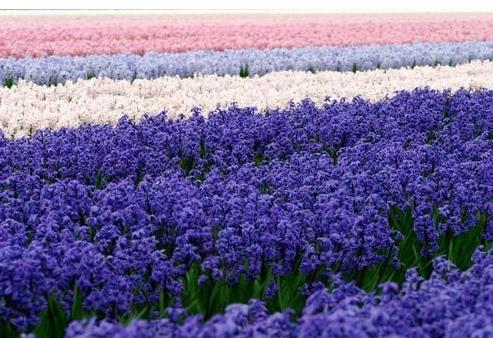
The blue hyacinth is the ancestor of all hyacinths, and its flower language is perseverance, chastity, being as happy as seeing you, and noble richness. The flower language of the dark blue hyacinth is being somewhat melancholy because of love. The blue hyacinth is also the birthday flower of February 6, and its flower language is life.
More flower language of hyacinth
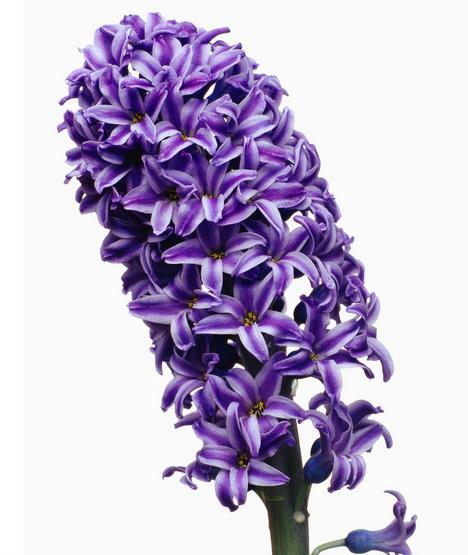
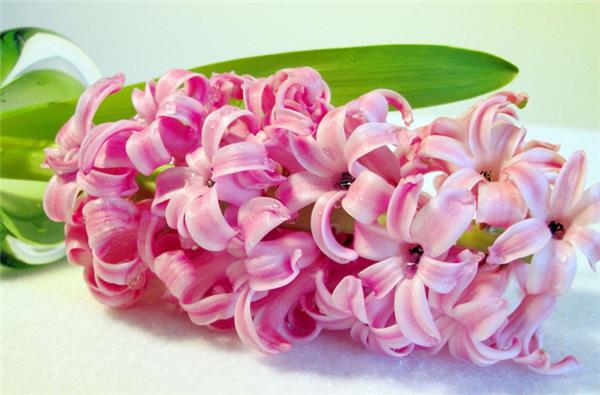
Besides the flower language listed above, hyacinth has more interpretations of its flower language. For example, the flower language of purple hyacinth: sadness, jealousy, melancholy love (with my love, you will surely be happy), apology (sorry, please forgive me), regret; the flower language of light purple hyacinth: gentle temperament, romantic feelings, sadness; the flower language of red hyacinth: thank you, love that moves me (your love fills my heart); the flower language of peach-red hyacinth: passion; the flower language of pink hyacinth: admiration, romance.
Legend has it that the sun god Apollo fell in love with Hyacinthus, but this provoked the jealousy of the west wind god, so the west wind god turned Apollo and Hyacinthus into a pair of hyacinths. Because the flower stems of hyacinth bear strings of small bell-like flowers, and when the wind blows, each flower shows a posture as if flying, people believe this is Apollo and Hyacinthus presenting beauty to the world.
Europeans have a special feeling for hyacinth. Legend has it that Venus, the goddess of beauty and love, most loved to gather the dew attached to hyacinth petals to make her skin more beautiful and smooth. In the UK, the blue hyacinth has always been indispensable in bridal bouquets or floral decorations at weddings, representing the purity of the newlyweds and the wish for happiness.
The hyacinth flower thus also became a token of chastity between lovers. The flower language of the love he gives is: steadfastness, gazing, which is precisely the eternal annotation of love.
The flowering period of hyacinth, counted from the opening of the first flower, is generally about two weeks. It usually blooms between March and June. Its growth cycle is dormancy in summer, rooting in autumn and winter, sprouting in early spring, blooming in March, and the plant withering in early June.
After the hyacinth has bloomed once, cut off the withered roots and leaves, place it in a cool place or plant it in soil, then plant it in the ground or in a pot again in September, apply base fertilizer and topdressing to encourage the mother bulb to split and help the daughter bulbs grow. Only when they have grown to a certain size can they bloom again. You can also take it out to plant again the following spring, and it can bloom once more.
1. Bulb selection: Since the nutrients needed for hyacinth to bloom are mainly supplied by the nutrients stored in the scale leaves of the bulb, only by choosing bulbs with undamaged outer skins, fleshy scales that are not excessively shrunken, and that are relatively hard, heavy, and plump can you produce abundant and beautiful flowers.
2. Soil requirements: For growing hyacinth, the soil should be fertile with high organic matter content. It is best to use well-drained sandy soil. Before planting, moisten the soil and let it sit for a day before planting. Frequent topdressing is required during the growing period. For ground planting, loosen the soil promptly after seedlings emerge. You can choose to apply topdressing once in winter, and once each before flowering in spring and after the flowers fade.
3. Light: For growing hyacinth, maintain sufficient sunlight to ensure normal growth. If the light is too weak, it will lead to weak hyacinth plants, small flower buds, early flower fading, yellowing leaves, and so on. At this time, you can use an incandescent lamp about 1 m away for supplemental light; but too strong light can also cause scorching of leaves and petals or shorten the flowering period. Before the bulb sprouts, it should not be placed under direct sunlight.
4. Temperature and humidity regulation: Too high a temperature will lead to abnormal growth of hyacinth and a high rate of blind flowers. It is best to keep it below 15°C. Humidity can be increased by misting and sprinkling water on the ground, and ventilation can also be used to reduce humidity; while too low a temperature will cause frost damage to the flower buds. During the growth of hyacinth, the root system grows best when the bulb is at a low temperature of 2-6°C. Soil humidity should be kept between 60-70%. If too high, root respiration is inhibited and rot easily occurs; if too low, the aboveground part wilts or even dies.
At the same time, keep the water in the bottle clean and change the water once a week. If nutrient solution has been added, decide the number of water changes according to the degree of water turbidity. When the bulb's sprout grows to 5 cm, place the whole bottle in a dark place. After the root system has fully grown, move it to a warm south-facing windowsill with sufficient scattered light, and add water frequently so that the water reaches the bulb.
4. Temperature and humidity regulation: Too high a temperature will lead to abnormal growth of hyacinth and a high rate of blind flowers. It is best to keep it below 15°C. Humidity can be increased by misting and sprinkling water on the ground, and ventilation can also be used to reduce humidity; while too low a temperature will cause frost damage to the flower buds. During the growth of hyacinth, the root system grows best when the bulb is at a low temperature of 2-6°C. Soil humidity should be kept between 60-70%. If too high, root respiration is inhibited and rot easily occurs; if too low, the aboveground part wilts or even dies.
At the same time, keep the water in the bottle clean and change the water once a week. If nutrient solution has been added, decide the number of water changes according to the degree of water turbidity. When the bulb's sprout grows to 5 cm, place the whole bottle in a dark place. After the root system has fully grown, move it to a warm south-facing windowsill with sufficient scattered light, and add water frequently so that the water reaches the bulb.