Is Dieffenbachia (Alocasia) poisonous? How toxic is Dieffenbachia?
Dieffenbachia, originally called taro (Alocasia macrorrhizos), is often placed in living spaces in modern home decor, but is Dieffenbachia poisonous, and is it suitable for the bedroom? Let's take a look together!
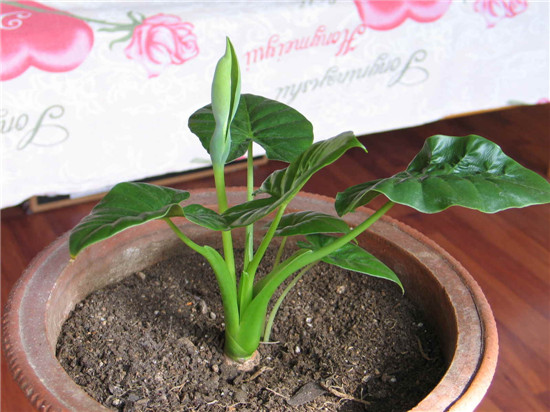
Dieffenbachia is commonly known as "taro" (Alocasia macrorrhizos), a perennial evergreen plant. Its corm and leaves both have medicinal value, but its sap is toxic, so care must be taken to prevent it from dripping into the eyes or being swallowed by mistake, which can cause throat swelling or eye inflammation. In fact, many plants kept in homes have a certain degree of toxicity, so when growing toxic plants and flowers, you should keep an appropriate distance, do not casually play with or touch them, and certainly do not put their branches, leaves or fruits in your mouth.
Is Dieffenbachia poisonous?
Answer: First of all, Dieffenbachia is poisonous. Dieffenbachia is an Araceae plant, and most plants in this family are toxic, such as lucky bamboo (Dracaena), Monstera deliciosa and pothos. The toxic part of Dieffenbachia is mainly the white sap in the stem, which is toxic, and the water it drips is also toxic. If its sap is swallowed by mistake, it will cause discomfort in the throat and mouth, and in severe cases it can even cause suffocation, leading to death from cardiac paralysis.
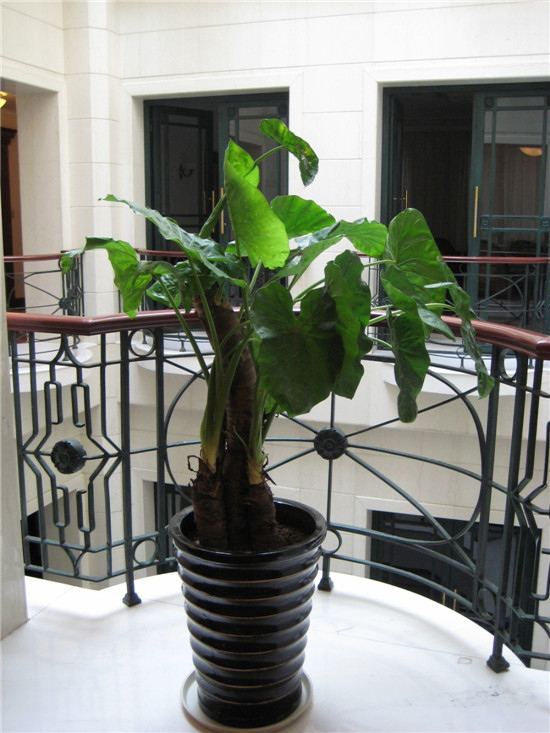
After reading the previous paragraph, flower lovers may sigh and think that Dieffenbachia is so toxic that it is better not to grow it. Don't worry, next we will discuss whether Dieffenbachia can be grown at home.
We know that many plants are both medicine and poison. Dieffenbachia has medicinal value, but at the same time it is also somewhat toxic. Dieffenbachia belongs to the Araceae family, and most plants in this family are toxic, such as lucky bamboo (Dracaena), Monstera deliciosa and pothos, which are common in residents' homes, but they can also purify the air. For these flowers that are commonly grown in winter, as long as they are not easily put into the mouth, you can safely coexist with them.
The white sap in the stem of Dieffenbachia is toxic, and the water it drips is also toxic. If the sap is touched or swallowed by mistake, it will cause discomfort in the throat and mouth, and in severe cases it can even cause suffocation, leading to death from cardiac paralysis. Skin contact with its sap can cause itching or strong irritation, and eye contact with the sap can cause severe conjunctivitis, or even blindness, so contact with Dieffenbachia should be minimised.
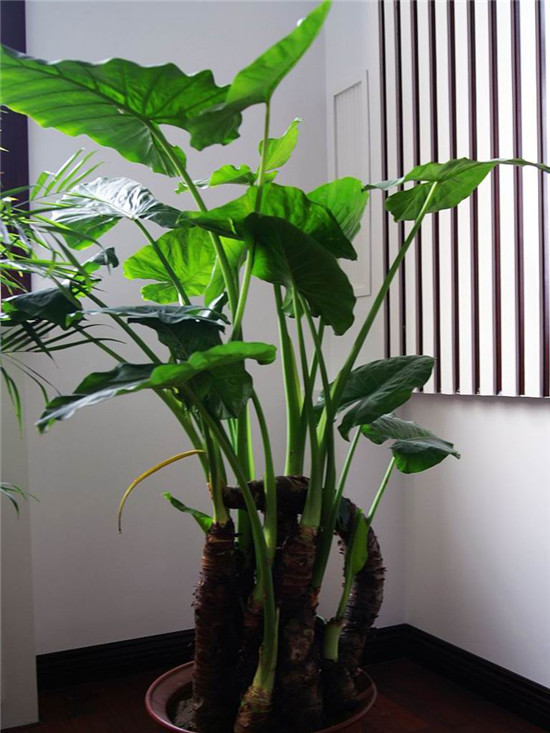
Dieffenbachia is indeed poisonous, but Dieffenbachia is a very common foliage plant, and many flower lovers have a pot of Dieffenbachia at home. Then flower lovers may wonder: since Dieffenbachia is poisonous, why still keep it at home? What flower lovers may not know is that although Dieffenbachia is poisonous, its toxicity is passive, that is, as long as the rhizome or the sap of the rhizome is not eaten, it will not cause harm to the human body. As for the water dripped by Dieffenbachia, the author has touched it with their hand, and there was no problem (to be cautious, flower lovers with an allergic constitution should not let their skin touch it), so flower lovers do not need to worry too much.
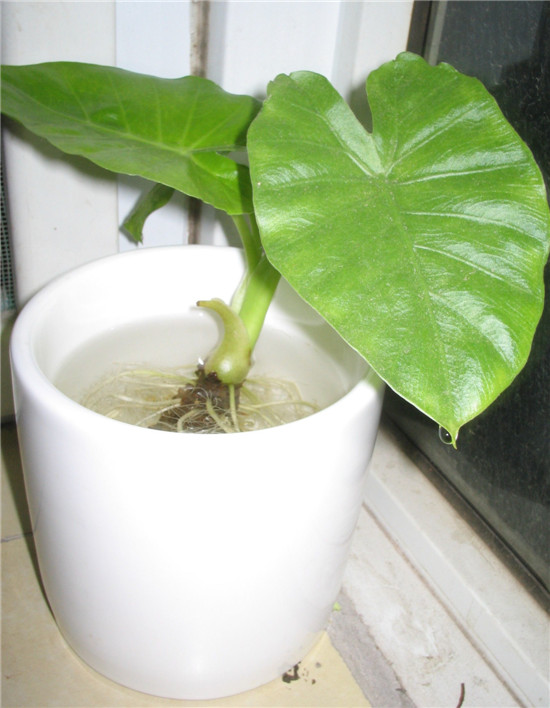
Finally, Dieffenbachia is a foliage potted plant very worth growing, with advantages such as staying evergreen all year round, growing fast and being easy to care for. During care, just remind the children in the family not to swallow it by mistake.
The above is all of my summary of whether Dieffenbachia is poisonous and how toxic Dieffenbachia is. I hope this article can help everyone. Please also continue to follow us.