How to Grow Alocasia (Dumb Cane): A Detailed Guide to Practical Care Methods
Alocasia is a green leafy plant, and when water is plentiful, let's take a look together at how to care for Alocasia.
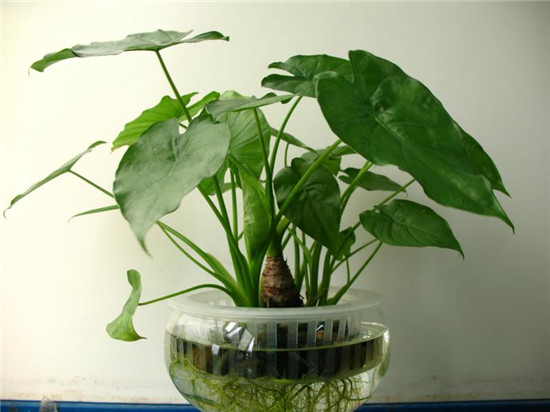
How to Grow Alocasia
1. Suitable growing temperature for Alocasia: 20-25°C is the most suitable growing temperature for Alocasia. When room temperature is below 18°C, Alocasia will enter a dormant period and stop growing. Alocasia likes a warm, humid, semi-shaded environment. During cultivation, you must pay special attention to seasonal changes. Especially now that summer is approaching, be particularly careful to place Alocasia in a semi-shaded, well-ventilated spot, and mist the leaves of Alocasia multiple times to maintain air humidity. Avoid excessively high temperatures that could cause Alocasia to develop problems. Alocasia is not very cold-resistant; depending on the temperature differences between north and south, it needs to be moved indoors in autumn and winter.
2. How to fertilize Alocasia: The fertilizing cycle for Alocasia is once a month. Every 2 weeks, a supplementary feeding must be given to Alocasia. The potting soil of Alocasia also needs to be moistened. Fertilizing requirements: use nitrogen-based fertilizer mixed with thin liquid fertilizer containing phosphorus and potassium. When top-dressing, avoid pouring the fertilizer water onto the leaf sheaths, as this will cause Alocasia to rot. If you want Alocasia's leaves to be large and green, applying some ferrous sulfate will achieve this. If you want Alocasia to grow attractively, avoid nutrient deficiency; once deficiency occurs, Alocasia's stem will shrivel and become bare. Alocasia plants you usually see come in large and small sizes. If you want to keep Alocasia small and attractive, when the seedling grows to your desired height, such as 40cm, spray the entire plant with a 2% paclobutrazol solution; in the later growth of Alocasia, you will find that its growth height will not exceed 40cm. If Alocasia continues to grow, you can spray the entire plant again. Generally, spraying once about every half a year can achieve the height-control effect.
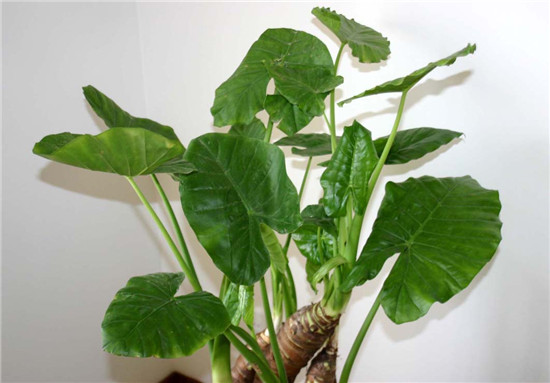
3. Watering precautions: In summer, you can water Alocasia more. People often say that the stems of their Alocasia rot. This is caused by waterlogging. If you give Alocasia too much water, this situation will occur, so you must grasp the right amount when watering. In winter, Alocasia enters a long dormant period, so in winter you should control watering and stop fertilizing.
4. Lighting issues for Alocasia: For plants that like semi-shade, direct sunlight is the biggest taboo. When the leaves of your Alocasia droop, it may be due to nutrient deficiency. At this time, you need to add some liquid fertilizer to Alocasia. When Alocasia enters its flowering period, ensure 3-5 hours of light daily. Otherwise, the buds will turn green and the leaf stalks will elongate, affecting its appearance.
What causes Alocasia leaves to turn yellow?
Answer: The potting soil of Alocasia has been too wet or too dry for a long time, failing to water as soon as the soil dries. Pouring "half water," that is, watering not thoroughly, without water seeping out from the bottom of the Alocasia pot. Exposure to cold in winter, Alocasia's roots have been frostbitten. Alocasia's leaf surface has not been misted and cleaned for a long time, allowing dust to accumulate, which hinders photosynthesis. After overwintering, Alocasia is rushed out of the room and placed in a warm, sunny spot, unable to adapt to the sudden climate change. Alocasia has been placed in a poorly ventilated environment for a long time.
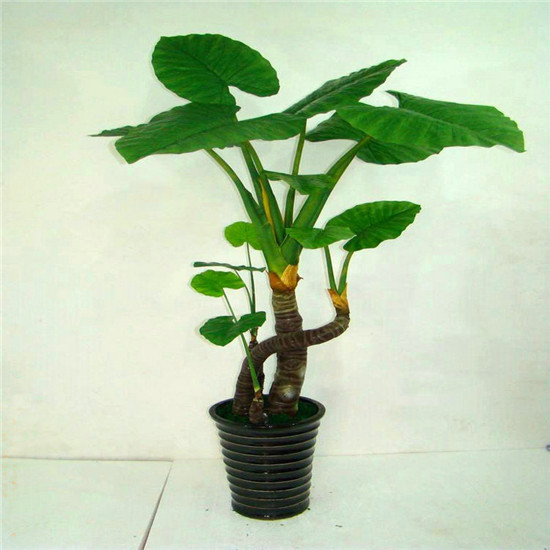
What should you do if you get poisoned by touching Alocasia sap?
Answer: It is recommended to use vinegar for detoxification. Rinse with plenty of clean water. The toxic components are calcium oxalate and sapotoxin; skin itching occurs after contact with the sap; contact with the eyes can cause blindness. Folk remedy: boil vinegar with a little ginger juice, take orally or gargle to detoxify. If poisoning symptoms are obvious, it is recommended to go to the hospital for medical treatment.
What should you do if Alocasia roots rot?
Answer: Alocasia is prone to root rot in summer, mainly caused by potting soil being too wet. Pull up the Alocasia, cut off the rotten roots; wear rubber gloves when cutting the roots (Alocasia is toxic! Those with skin allergies should be careful). Cut off a bit of the healthy tissue near the rotten part. Let it dry, and replant after the wound heals, planting it in plain sand or sandy soil. Do not water for the time being; wait until the potting soil is completely dry before watering. Do the same from then on: no watering until dry. Also, place it in a well-ventilated area.
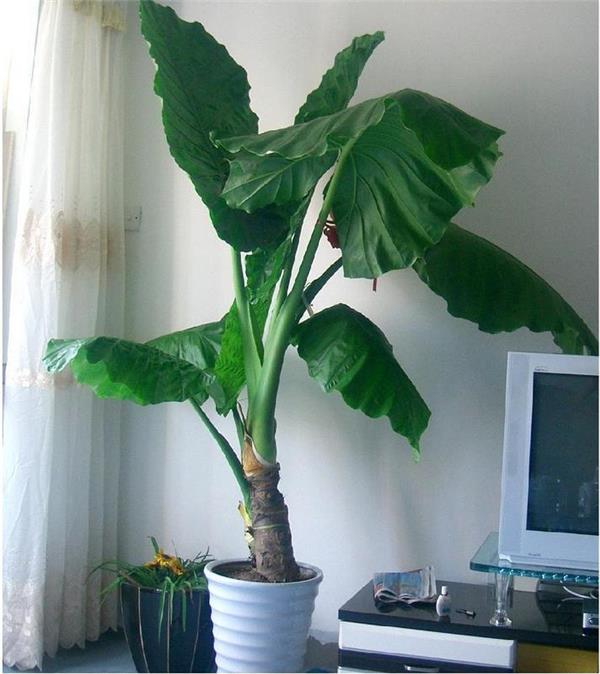
How should you care for Alocasia?
Answer: In winter, its transpiration will decrease. If it is a newly transplanted seedling, after the original soil it came with is moistened, just keep the environment around the seedling humid; use a spray bottle to mist the surrounding environment. If it is an older plant, touch the surface soil with your hand and water only when it is dry, but do not water too much, because when the temperature is below 18°C, Alocasia goes dormant and hardly grows, so it does not need much water; otherwise the roots will rot.
The above is the complete content of my summary on how to grow Alocasia and the care methods for Alocasia. I hope this article can help everyone. Please also continue to follow us.