A summary of the effects and uses of pothos flowers, explained in one article
Pothos is not only highly ornamental when in bloom; its dried flowers are also used as a Chinese herbal medicine. Next, let us take a look at the effects and uses of pothos.
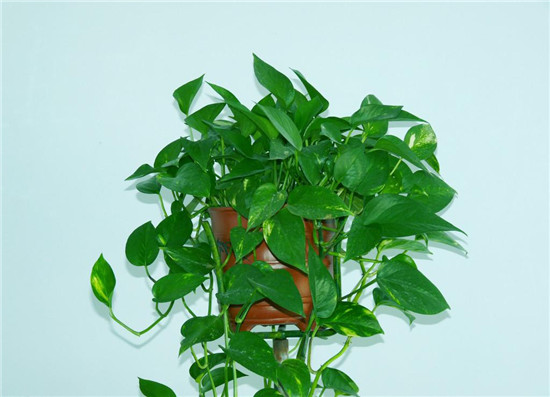
Pothos flower is also called tengyu and shiganzi. It is a vine in the Araceae family. The leaf surface has many irregular yellow spots. Its inflorescence resembles that of Monstera deliciosa. It is native to the Solomon Islands and is now widely cultivated around the world. It is propagated by cuttings. It likes a warm, humid, and semi-shady environment. Grow it in pots with well-drained soil.
Pothos is one of the very best indoor decorative plants, a climbing vine grown for its foliage. Its stems are slender and soft, and its leaves are delicate and elegant. Place a cachepot high on top of a cabinet and let its trailing vines hang down freely, or after the trailing vines grow too long, loop and hang them into a circle, like an emerald relief. This not only makes full use of space and purifies the air, but also adds a lively-lined, brightly colored green decoration to a dull cabinet surface. It is full of vitality and adds a touch of warmth and charm to the room.
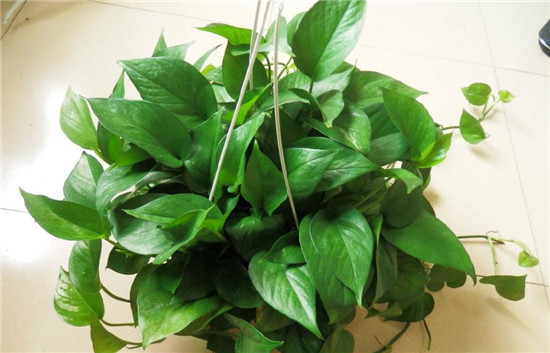
Origin and habits: Pothos is native to Central America and South America. It likes warm, humid environments and requires loose, fertile, well-drained soil.
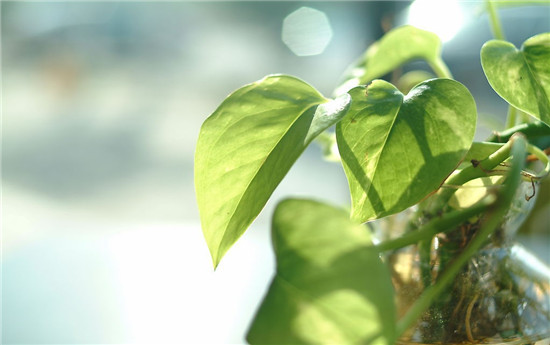
Morphological characteristics: Pothos vines grow several meters long, with aerial roots at the nodes. As the plant ages, the stems thicken and the leaves also grow larger and larger. The leaves are alternate, green, with a few leaves also slightly mottled with yellow, entire, and heart-shaped.
The effects of pothos flower
1. Lower blood sugar, balance the sugar content in the blood, and effectively reduce and prevent the occurrence of complications.
2. Lower blood lipids, effectively reduce the levels of cholesterol and triglycerides in the blood, and achieve a blood-clearing effect.
3. Lower blood pressure, stabilize blood pressure, and effectively prevent stroke, acute coronary heart disease, and severe renal failure. It helps prevent cardiovascular and cerebrovascular diseases and other non-infectious diseases.
4. For coronary heart disease, it invigorates blood circulation, softens arterial blood vessels, and has the effect of dilating blood vessels and increasing coronary artery flow.
5. Promote qi and invigorate blood circulation, and have antibacterial and anti-inflammatory effects. It has good medicinal effects on vascular inflammation, high fever with convulsions, and sore swollen throat.
6. Enhance the body's immunity; long-term use has an anti-cancer effect.
How to consume pothos flower:
1. Steep 4-5 pothos flowers in boiling water every morning and evening. After steeping 3 to 4 times, replace them.
2. Simple method for lowering the three highs: When brewing pothos flower tea, it is best to use a transparent glass cup. Each time put in 4-6 pieces, then pour in boiling water to brew. If there are many people drinking, use a transparent teapot, put in 10-15 pieces each time, pour in boiling water and steep for 3-5 minutes, then pour the tea into each person's transparent glass cup.
3. Middle-aged and older people, obese people, and patients with hypertension, diabetes, and coronary heart disease can also drink it as boiled water in daily life. Each time you drink it, do not finish it all at once; leave one-third of a cup of tea, then add fresh tea, steep for a moment, and then drink. Generally, there is an obvious effect in 1-2 months, with absolutely no exaggeration.
The above is all the content of the summary of the effects and uses of pothos flower that I have compiled for everyone. I hope this article can help everyone. Please also continue to follow us.