Is the cactus ball poisonous? Let's see whether it is a poisonous plant
Everyone knows that the cactus ball has a heat-clearing effect, but many people do not really understand whether the cactus ball is poisonous. Next, let's take a look at whether the cactus ball is a poisonous plant.
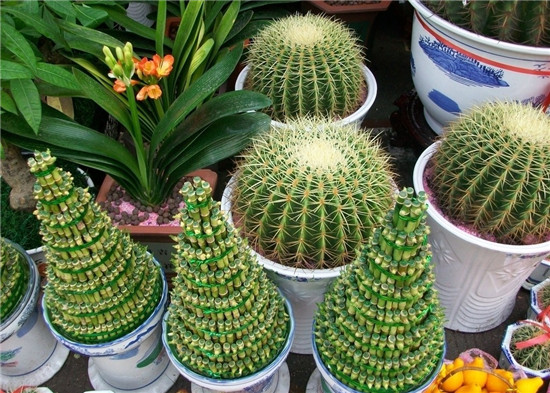
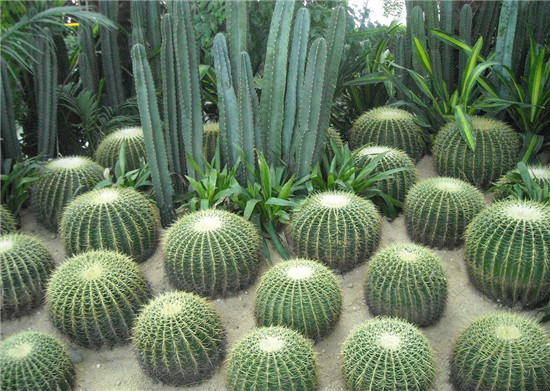
The cactus ball is a drought-tolerant herbaceous plant with bristles, growing in dry, rain-scarce, highly hot desert areas, with a long lifespan. Its shape is mostly spherical, and it has high ornamental value. At the same time, it can also resist radiation and purify the air, making it a very popular ornamental potted plant indoors, and many people grow it. However, its spines are relatively sharp and can easily prick people.
After placing a cactus ball indoors, it needs to be cared for, and during this process, people can easily be pricked by the cactus ball's sharp spines, and some people will experience symptoms such as red, swollen, painful skin and itching. This is an allergic phenomenon, and it cannot be arbitrarily concluded that the cactus ball is poisonous.
In fact, the cactus ball also has ornamental, health-care, environmental-protection and medical value. It can not only resist radiation, purify the air and have high ornamental value, but can also treat many diseases. There are diverse varieties of cactus balls, and some varieties can even be eaten. The flesh of edible cactus balls has the effect of clearing heat and detoxifying when eaten.
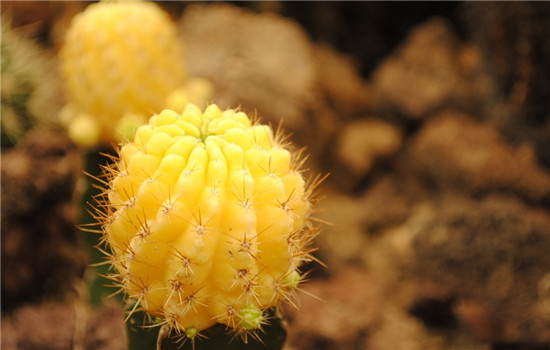
However, the spines of some cactus balls contain toxins, and after being pricked, the human body will show the above skin allergy symptoms, which should be treated promptly. The simplest method is to first remove the spines; then, disinfect with alcohol and apply some ointments such as Piyanping, and it will generally heal after 2-3 days. If it does not work or the condition worsens, it is recommended to seek medical attention promptly.
At present, many colorful cactus balls have appeared on the market. They are slightly more expensive, but very popular with consumers. In fact, the bright colors of these cactus balls are mostly dyed on later with chemical agents. If bought and placed indoors, they will release toxic gases, which are harmful to human health, and their lifespan is not long either, making them very poor value.
It can be seen from this that, on the whole, the cactus ball is not toxic. It is only that the spines of some varieties of cactus balls contain a certain toxicity, but the toxicity is not great, and at most it will only cause skin allergies, with little impact on the grower.
The role of cactus fruit in biological dietary therapy:
1. Rich in carbohydrates, an important substance constituting the body, storing and providing heat energy, the necessary energy source for maintaining brain function, regulating fat metabolism, providing dietary fiber, sparing protein, detoxifying, and enhancing intestinal function.
2. Rich in protein, it helps maintain potassium-sodium balance and eliminate edema. It improves immunity. It lowers blood pressure, buffers anemia, and is beneficial to growth and development.
3. Rich in cellulose, it gives a feeling of fullness and is beneficial to weight loss. After eating, it can stimulate the gastrointestinal tract and can prevent and treat diseases such as constipation and hemorrhoids.
4. Rich in fat, it maintains body temperature and protects internal organs, provides essential fatty acids, promotes the absorption of these fat-soluble vitamins, and increases the feeling of fullness.
The role of cactus fruit in traditional Chinese dietary therapy:
1. Promoting qi and activating blood circulation: promoting the flow of qi and blood in the human body, suitable for treating blood stasis syndrome.
2. Removing dampness and reducing heat: bitter in taste, it can clear the heart and purge fire, clear heat and relieve restlessness, and can eliminate heat toxins in the blood. It is suitable for people who are prone to internal heat to eat.
3. Antioxidant: it has antioxidant activity, can reduce the peroxidation reaction caused by computer radiation, and promote cell growth.
4. Nourishing the face and caring for the skin: contains a large amount of carotene, helps maintain the normal function of skin cell tissues, stimulates skin metabolism, and keeps the skin moist, smooth and delicate.
The above is all the content I have summarized for everyone on whether the cactus ball is a poisonous plant. I hope this article can help everyone. Please also continue to follow us.