Can cacti really protect against radiation?
The cactus is a plant people are very familiar with; you can see it in flower markets, and it is a common plant for everyone. But did you know that cacti can protect against radiation? Let us find out together.
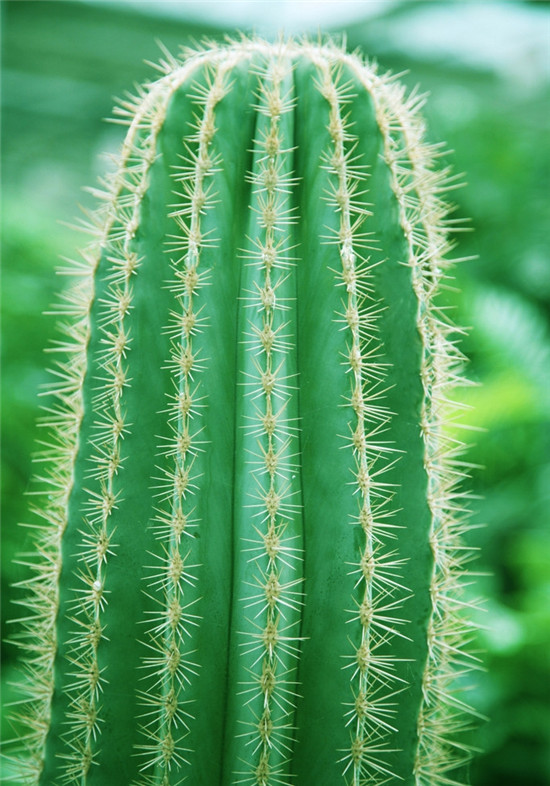
We live in a world full of radiation. In fact, radiation is not as frightening as we imagine. As long as an object's temperature is above absolute zero (-273.15°C), it will radiate its own energy outward in the form of waves. Whether it can cause serious harm to us depends on whether it can disrupt the stability of the human body's atomic structure. Fortunately, in daily life it is very hard for us to come into contact with ionizing radiation that can cause genetic mutations and thereby cancer or birth defects. What we commonly come into contact with is non-ionizing radiation, which does not disrupt the stability of the human body's structure. Its effects on us include thermal effects and induced currents. Computer radiation is a type of electrical appliance radiation and belongs to the thermal effect of non-ionizing radiation, but the thermal effect it can release is not enough to harm the human body, so we need not worry about computer radiation.
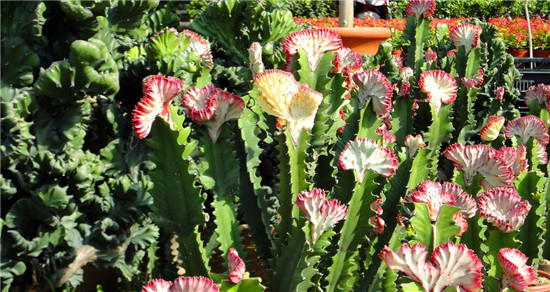
Since we need not worry about computer radiation, can cacti really protect against radiation? The reason people consider cacti masters at radiation protection is that they withstand the sun's thermal effect in the desert. However, whether they are stronger than other plants has not been confirmed, and being able to withstand the sun's thermal effect does not mean they can absorb the thermal effect of non-ionizing radiation. There is no scientific basis for cacti protecting against radiation. The only thing that can be confirmed is that if a cactus could shield people from the sun like a towering tree, it could also block the sun's thermal effect. But simply placing a cactus next to a computer cannot make the thermal effect of the non-ionizing radiation released by the computer turn a corner and be absorbed by the cactus, because non-ionizing radiation exists in the form of electromagnetic waves, and it all radiates in straight lines and cannot turn corners. So the rumor that cacti protect against radiation collapses on its own. Still, placing a pot of green plants (a cactus will do too) can purify the air through the plants' photosynthesis, and when your eyes are tired from staring at a computer, looking at green plants can also relieve eye fatigue. That is also a good choice.
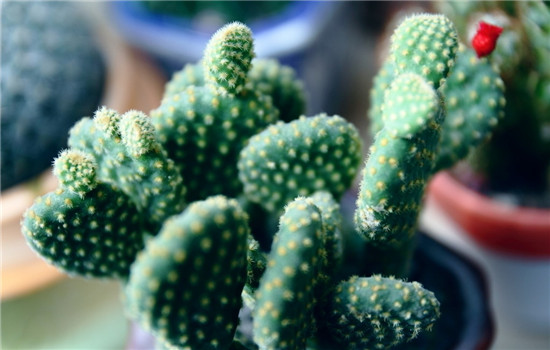
The benefits of cacti
1. The night-time "oxygen bar" cactus ball
Cacti generally begin respiration when it is cool at night. They open the stomata on their leaves, absorb carbon dioxide, and then release oxygen. For a room this is like adding an air freshener and can purify indoor air, so it is an ideal indoor flower.
2. A master at absorbing dust
The tiny cactus family plant, though inconspicuous, is also quite good at absorbing dust. Placing a cactus ball indoors can purify the environment. Generally, hydroponic cacti are more environmentally friendly and clean, and the effect is better.
3. Edible cacti have many benefits
There are many kinds of cacti. Edible cacti are very nutritious, containing large amounts of vitamins and minerals, and have the effects of lowering blood sugar, blood lipids and blood pressure. The tender stems of edible cacti can be eaten as a vegetable, the fruit is a sweet-tasting fruit, and the old stems can also be processed into health products and medicines with effects such as removing blood lipids and lowering cholesterol.
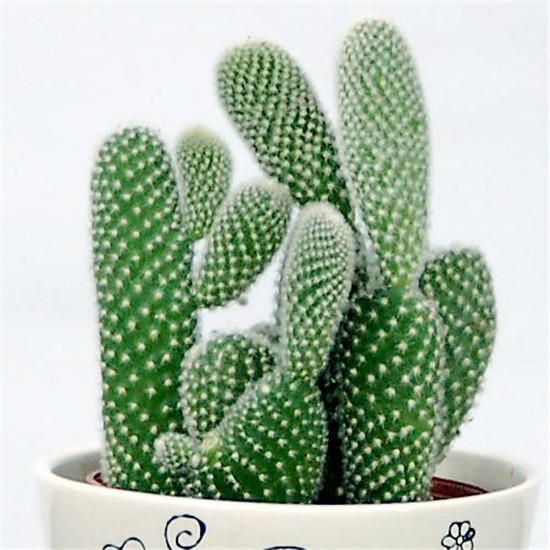
Points to note when growing cacti
1. In the three seasons of spring, autumn and winter, the sunlight is not strong and the temperature is not high, so the water in cactus leaves evaporates less, and therefore you should not water too much. An appropriate amount is enough. In summer the temperature rises, so increase watering a little, but not too frequently. Misting the cactus with a moderate amount of water is enough. Always keep the place where the cactus is kept humid and not dry, and you can spray a small amount of water with a spray bottle at any time.
2. Cacti like to grow in soil that is rich in nutrients and loose and airy. Usually it is best to use a specially prepared soil mix: vermiculite : fine sand : decomposed humus = 2:2:1, then stir it evenly. The resulting growing medium should barely form a ball when squeezed in the hand, and crumble apart when the hand is opened. This kind of soil is more suitable for cactus growth.
3. As for watering, no matter the season, water thoroughly when you water. "If it is not dry, do not water; when you water, water thoroughly." That is, you do not need to water frequently, but each time you water, every part of the soil should be soaked through. Do not water only down to the middle part. That will easily cause rot.
4. Spring, summer and autumn are the growing seasons for cacti. In winter the plant enters dormancy and stops growing. At this stage do not water too much; just keep the potting soil moist. In winter the plant absorbs little water, and overwatering easily causes root rot. Cacti are fairly light-loving, so take them out to sunbathe more often. They cannot stay in a shady place for a long time, but they also should not be exposed to strong sun for a long time. Morning sunlight is best.
5. Do not water newly planted cacti at first. Just mist them several times a day. Only after half a month can you water a small amount, and only after a month, when new roots have grown, can you water normally.
6. Apply a dilute, decomposed liquid fertilizer once every 10 days to half a month. In winter, do not fertilize.
The above is the full content I have summarized for you on whether cacti can protect against radiation. I hope this article can help everyone. Please also continue to follow us.
Do not water only down to the middle part. That will easily cause rot.4. Spring, summer and autumn are the growing seasons for cacti. In winter the plant enters dormancy and stops growing. At this stage do not water too much; just keep the potting soil moist. In winter the plant absorbs little water, and overwatering easily causes root rot. Cacti are fairly light-loving, so take them out to sunbathe more often. They cannot stay in a shady place for a long time, but they also should not be exposed to strong sun for a long time. Morning sunlight is best.
5. Do not water newly planted cacti at first. Just mist them several times a day. Only after half a month can you water a small amount, and only after a month, when new roots have grown, can you water normally.
6. Apply a dilute, decomposed liquid fertilizer once every 10 days to half a month. In winter, do not fertilize.
The above is the full content I have summarized for you on whether cacti can protect against radiation. I hope this article can help everyone. Please also continue to follow us.