What are the effects and benefits of Roughhaired Holly?
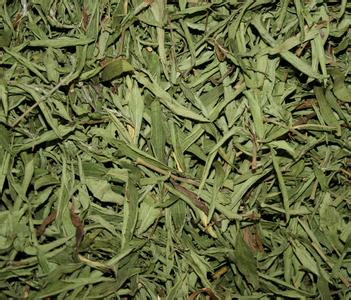
Roughhaired Holly is both a tea and a medicinal herb. Today we will learn about the effects of Roughhaired Holly.
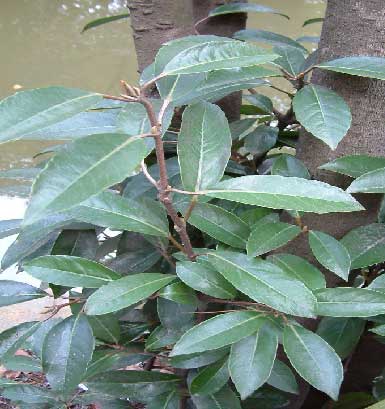
Effects of Roughhaired Holly
When Roughhaired Holly leaves are used as medicine, such as for lowering blood pressure, lowering blood lipids, promoting bowel movements, reducing internal heat, soothing the throat, and treating gum and tooth inflammation, the concentration and duration of drinking vary depending on the individual's constitution and condition. Generally speaking, patients with more severe conditions and higher body weight should drink relatively larger doses and for a longer time, and vice versa. Usually, a higher drinking concentration brings faster results; a lower drinking concentration brings slower results. Generally speaking, when Roughhaired Holly is used as medicine, the concentration is 2-3 times that of when it is used as tea. The method of drinking is: divide the day into morning, afternoon, and evening, brewing 2-3 sticks each time, and keep drinking until there is no flavor, then chew and eat the tea buds. Absorption through the gastric mucosa makes the drinking effect more obvious. If you feel the condition has somewhat eased, you can appropriately lower the concentration; if you feel the condition has not improved significantly, you can appropriately increase the dosage. For patients with conditions such as high blood pressure, high blood lipids, and high blood sugar, after drinking Roughhaired Holly to bring down blood pressure, blood lipids, and blood sugar, the drinking concentration can be appropriately lowered, but it should not be stopped completely, to avoid recurrence of the condition. If the concentration of Roughhaired Holly is appropriate, it can still bring down blood pressure and blood lipids within twenty to thirty days. This is precisely where the value of Roughhaired Holly lies.
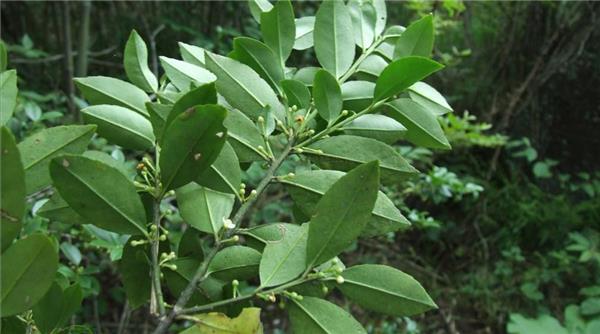
Benefits of Roughhaired Holly
Functions and indications: Disperses wind-heat, clears the head and eyes, relieves excessive thirst. Used for headache, toothache, red eyes, fever with excessive thirst, and dysentery. Promotes digestion and resolves phlegm, relieves excessive thirst, promotes urination and defecation, removes greasiness, disperses liver wind, treats tinnitus and deafness, invigorates blood circulation, and cools the uterus.
The medicinal effects of Roughhaired Holly leaves are very obvious. Traditional Chinese medicine believes that it has the effects of dispersing wind-heat, clearing the head and eyes, and relieving excessive thirst, and can be used to treat headache, toothache, red eyes, fever with excessive thirst, dysentery, and other conditions. Modern pharmacological research has proven that Roughhaired Holly not only contains multiple amino acids essential to the human body, vitamins, and trace elements such as zinc, manganese, and rubidium, but also has effects such as lowering blood lipids, increasing coronary artery blood flow, increasing myocardial blood supply, and resisting atherosclerosis. It has good preventive and therapeutic effects on symptoms such as dizziness, headache, chest tightness, fatigue, and insomnia in patients with cardiovascular and cerebrovascular diseases, and is therefore favored by middle-aged and elderly people.
Benefits of Roughhaired Holly Tea
Clears heat and detoxifies, invigorates blood and unblocks vessels. Treats wind-heat cold, lung-heat panting and coughing, laryngeal edema, tonsillitis, dysentery, coronary heart disease, hemiplegia caused by cerebrovascular accident, thromboangiitis obliterans, erysipelas, scalds, central retinitis, uveitis, and acute suppurative skin inflammation. Used for coronary atherosclerotic heart disease, acute myocardial infarction, and thrombotic angiitis obliterans; external use for treating burns, scalds, and chilblains.
1. Roughhaired Holly can treat coronary atherosclerotic heart disease.
Roughhaired Holly has a relatively good therapeutic effect on angina pectoris. In treating myocardial infarction, Roughhaired Holly may have the effect of inhibiting the excitation of ectopic cardiac rhythm foci, can reduce or eliminate arrhythmias, maintain the normal rhythm of the heart, and keep the cardiac output at a good level, thereby maintaining good blood pressure and preventing the occurrence of shock and heart failure. However, some observations did not find significant effects on the above items. Roughhaired Holly seems not very ideal in improving coronary circulation, or its effect is relatively slow. After taking the medication, most patients' clinical symptoms such as chest tightness and pain, headache, dizziness, and limb numbness disappeared or significantly improved; however, the relationship between therapeutic effect and the severity of the condition seems not great. According to traditional Chinese medicine classification, the therapeutic effect is relatively poorer for the qi-yin deficiency type. The onset time of using Roughhaired Holly alone is relatively slow; adding new acupuncture therapy can advance the onset time and can strengthen the effect of eliminating or reducing chest tightness and pain.
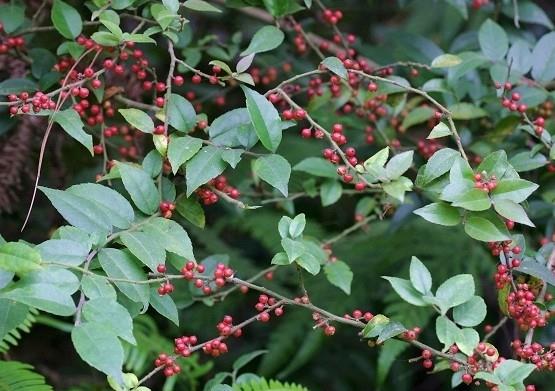
2. Antitussive and expectorant effects: The water decoction of Roughhaired Holly root has an antitussive effect on coughing induced by sulfur dioxide in mice, and the phenol red method in mice proved an expectorant effect.
A higher drinking concentration brings faster results; a lower drinking concentration brings slower results. Generally speaking, when Roughhaired Holly tea is used as medicine, the concentration is 2-3 times that of when it is used as tea. The method of drinking is: divide the day into morning, afternoon, and evening, brewing 2-3 sticks each time, and keep drinking until there is no flavor, then chew and eat the tea buds. Absorption through the gastric mucosa makes the drinking effect more obvious. If you feel the condition has somewhat eased, you can appropriately lower the concentration; if you feel the condition has not improved significantly, you can appropriately increase the dosage. For patients with conditions such as high blood pressure, high blood lipids, and high blood sugar, after drinking Roughhaired Holly tea to bring down blood pressure, blood lipids, and blood sugar, the drinking concentration can be appropriately lowered, but it should not be stopped completely, to avoid recurrence of the condition. If the concentration of Kuding tea is appropriate, it can still bring down blood pressure and blood lipids within twenty to thirty days. This is precisely where the value of Roughhaired Holly tea lies.
Side Effects of Roughhaired Holly
The medicinal effect of Roughhaired Holly leaves is somewhat milder, but they can still be drunk, and there are not many toxic side effects. However, special attention should be paid to the fact that any medication varies from person to person, and some groups of people cannot drink it. For example, patients with chronic bleeding tendencies such as hemorrhoids, gastric ulcers, and chronic vascular coagulopathy cannot drink it, because it has the effect of invigorating blood and unblocking collaterals, and drinking it can only worsen the condition. In addition, pregnant women and women during menstruation should not drink it either. When other members of the public drink it at home, they can directly take an appropriate amount and steep it in water. When children take it, the dosage needs to be reduced.
No serious side effects were found during the course of medication. A small number of cases showed prolonged coagulation time and prothrombin time, and some had bleeding tendencies, such as nosebleeds, gum bleeding, petechiae and ecchymoses on the skin, increased menstrual flow, and occult blood in stool. After oral administration of Roughhaired Holly, some cases felt stomach bloating, loss of appetite, dry mouth, or nausea and vomiting, and dry or loose stool. Bald Roughhaired Holly was once used to treat 31 cases of this disease. After 1-2 months of observation, the total effective rate was 64.5%, and the markedly effective rate was 35.5%. The effect on controlling angina pectoris was relatively fast and obvious. Among 26 cases, 17 achieved marked effectiveness, and in most cases angina pectoris disappeared or basically disappeared within 3-5 weeks, while the other 9 cases also improved.
You can appropriately increase the dosage. For patients with conditions such as high blood pressure, high blood lipids, and high blood sugar, after drinking Roughhaired Holly tea to bring down blood pressure, blood lipids, and blood sugar, the drinking concentration can be appropriately lowered, but it should not be stopped completely, to avoid recurrence of the condition. If the concentration of Kuding tea is appropriate, it can still bring down blood pressure and blood lipids within twenty to thirty days. This is precisely where the value of Roughhaired Holly tea lies.
Side Effects of Roughhaired Holly
The medicinal effect of Roughhaired Holly leaves is somewhat milder, but they can still be drunk, and there are not many toxic side effects. However, special attention should be paid to the fact that any medication varies from person to person, and some groups of people cannot drink it. For example, patients with chronic bleeding tendencies such as hemorrhoids, gastric ulcers, and chronic vascular coagulopathy cannot drink it, because it has the effect of invigorating blood and unblocking collaterals, and drinking it can only worsen the condition. In addition, pregnant women and women during menstruation should not drink it either. When other members of the public drink it at home, they can directly take an appropriate amount and steep it in water. When children take it, the dosage needs to be reduced.
No serious side effects were found during the course of medication. A small number of cases showed prolonged coagulation time and prothrombin time, and some had bleeding tendencies, such as nosebleeds, gum bleeding, petechiae and ecchymoses on the skin, increased menstrual flow, and occult blood in stool. After oral administration of Roughhaired Holly, some cases felt stomach bloating, loss of appetite, dry mouth, or nausea and vomiting, and dry or loose stool. Bald Roughhaired Holly was once used to treat 31 cases of this disease. After 1-2 months of observation, the total effective rate was 64.5%, and the markedly effective rate was 35.5%. The effect on controlling angina pectoris was relatively fast and obvious. Among 26 cases, 17 achieved marked effectiveness, and in most cases angina pectoris disappeared or basically disappeared within 3-5 weeks, while the other 9 cases also improved.