What are the characteristics of cactus fruit? A detailed explanation
Cactus fruit and dragon fruit belong to the same family, so it is often mistaken by others, but they are different. Next, let us take a look at this cactus fruit.
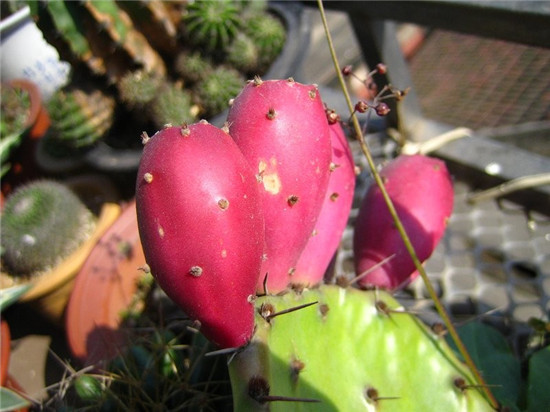
Cactus fruit looks very much like dragon fruit. Generally, when we eat dragon fruit, we eat all its seeds, because its seeds are very small and crunch like eating sesame seeds. The seeds of cactus fruit are a little harder than those of dragon fruit.
The fruit of the cactus is called cactus fruit. Generally, the growth period of cactus fruit is relatively long, bearing fruit only once every three to four years, and each time it bears few fruits. The skin of the fruit is also covered with a layer of barbed spines. However, its nutritional value is very high. The flesh is rich in trace elements, protein, amino acids, vitamins, polysaccharides, flavonoids and pectin, etc.; it is edible and very beneficial.
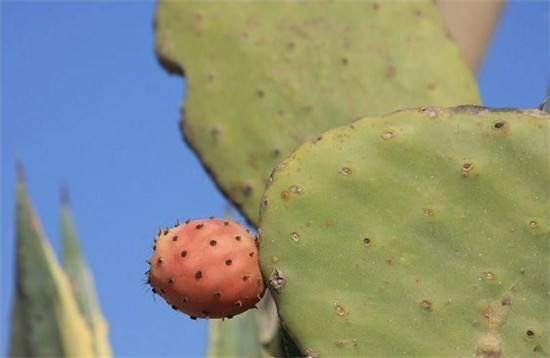
Cactus fruit has the effects of promoting the flow of qi and blood circulation, removing dampness and reducing heat, and promoting tissue regeneration; Indigenous peoples and Mexicans have used it as food and medicine for thousands of years. The skin of cactus fruit is covered with barbed spines, which not only makes it difficult to harvest, but also makes its growth period long and its yield scarce. Cactus fruit can promote the expansion and regeneration of normal human fibroblasts, and is of great significance to the healing of both internal and epidermal wounds.
After cactus fruit is cut open, it reveals its purple-red flesh, the same color as kiwi fruit, and it is also covered with cactus fruit seeds, just like looking at a dragon fruit. The skin and flesh of cactus fruit are both purple-red, and the taste is just like lemon, extremely sour. Mexicans use it as a seasoning for dishes, or make it into dried fruit. Cactus fruit has many small seeds, which can actually be eaten. When we make juice, we usually filter out all these seeds, because the seeds affect the texture. Although they can be eaten, it is not suitable to eat too many, because eating too many will cause indigestion and easily lead to constipation!
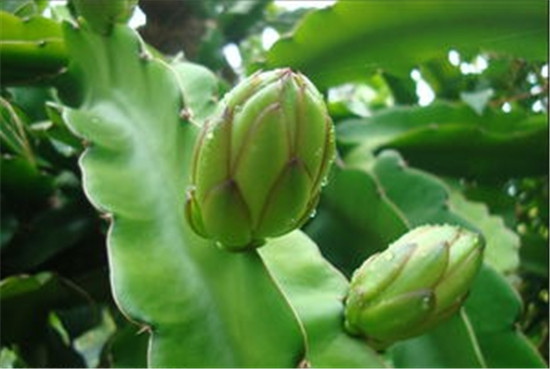
Cactus fruit is very rich in nutritional elements, such as high amounts of vitamin A, B1, B12, D3, etc.; it also contains rich antioxidants, such as riboflavin and anthocyanins. These nutritional elements have excellent benefits for both the inside and outside of the body, and the antioxidant capacity of cactus fruit is 7 times higher than that of vitamin C. These elements are excellent nutrients for nourishing and caring for the skin.
In addition, cactus fruit extract has magical effects such as accelerating wound healing, making the skin soft and delicate, preventing dry skin, and reducing wrinkles. It can also promote the proliferation and regeneration of normal human fibroblasts, and is very helpful for the healing of both internal and epidermal wounds. The carbohydrates it is rich in are important substances that make up the body, store and provide heat energy; they are necessary energy for maintaining brain function, regulate fat metabolism, provide dietary fiber, detoxify, and enhance intestinal function.
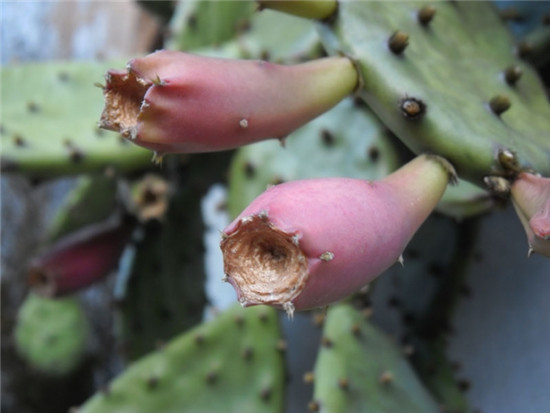
The protein that cactus fruit is rich in helps maintain potassium-sodium balance, eliminate edema, improve immunity, lower blood pressure, buffer anemia, and benefit growth and development. Cellulose gives a feeling of fullness and is beneficial for weight loss; after eating, it can stimulate the gastrointestinal tract and can prevent and treat diseases such as constipation and hemorrhoids. Moreover, it is also rich in fat, which can maintain body temperature and protect internal organs, promote the absorption of these fat-soluble vitamins, and increase satiety. It is a rare plant.
The above is all the content I have summarized for you about the characteristics of cactus fruit. I hope this article can help everyone. Please also continue to follow us.