Do Cactus Ball Plants Bloom? A Detailed Explanation of Cactus Ball Blooming
Cactus ball, commonly known as grass ball, also called changshengqiu, is a perennial succulent herbaceous plant of the Cactaceae family. Next, let us take a look at whether cactus balls bloom.
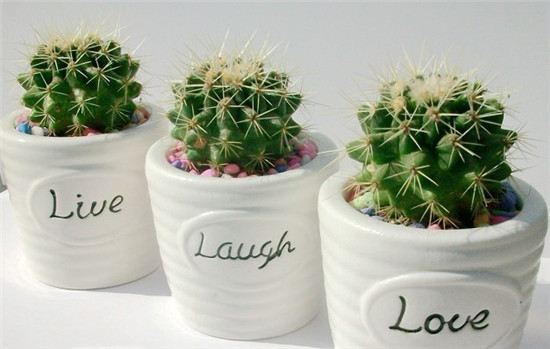
The stem of the cactus ball is spherical or oval, green, with flowers growing among the spines along the vertical ribs. Cactus balls generally bloom in the early morning or evening, lasting from a few hours to one day. The cactus ball is a plant whose stem, leaves and flowers all have high ornamental value, and it is an artistic masterpiece among hydroponic flowers. The cactus ball can absorb electromagnetic radiation, is a natural air freshener, and also has the effect of adsorbing dust and purifying the air.
The sphere often produces many small offsets from its sides, with a graceful and elegant form. In terms of appearance, cactus balls can be divided into woolly types, warty types, treasure types, hairy column types, strong-spined types, sea urchin types, top-flowering types, and so on. The spines and hairs of cactus balls also vary in length, shortness, sparseness and density; the hair colors include red, yellow, golden yellow and so on. Because of their peculiar forms, delicate and colorful flowers, and ease of cultivation, cactus balls are loved by people.
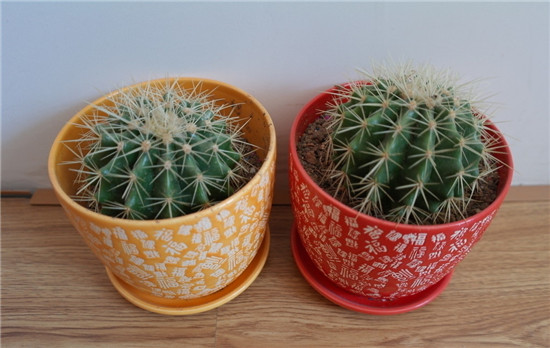
Cactus balls are divided into varieties; some varieties bloom easily, while others do not. For ordinary cactus balls, that is, the common grass ball, if raised very robustly and given suitable sunlight, they generally bloom in 3-5 years. For other cactus balls that love to bloom, the small offsets they produce can bloom quickly after being cut and planted, generally the next year or after another two years of cultivation, and this also varies by variety or individual (because many cactus balls sold in horticulture are seed hybrids, so there are individual differences). In addition, there is the factor of the cultivation environment. Varieties that do not bloom easily are generally large balls, with very large spheres or ones that will later develop into columnar forms; because their vegetative development period is very long, even in a suitable environment they must be cultivated for several years, over ten years, or even several decades before blooming.
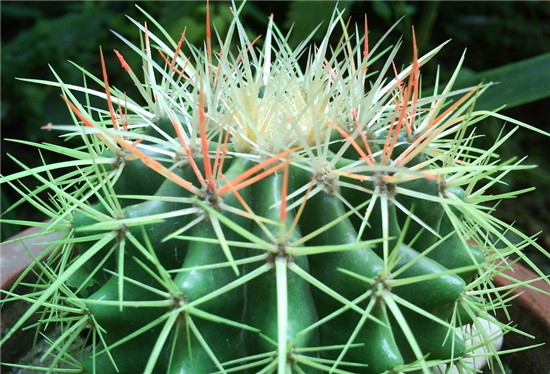
Cactus balls definitely bloom, so when do cactus balls bloom? Generally, the blooming period of cactus balls is from June to October. Cactus plants have their own patterns for blooming, and these patterns may have gradually formed through natural evolution. Understanding these patterns helps us to properly care for this type of plant.
1. Blooming has little to do with plant size (unless the plant is very small); as long as the season for blooming has arrived, most will develop buds and bloom. This category includes: Schlumbergera truncata, Hatiora rosea, Christmas cactus, Echinocactus, Gymnocalycium, certain cactus balls (those types that wrinkle in winter), and so on. This type of plant is easy to grow, as long as it grows vigorously.
2. The plant must be cultivated until it is relatively large before it will bloom. This category includes: grass ball, Schlumbergera, large-spined cactus ball, some species of Mammillaria, and so on.
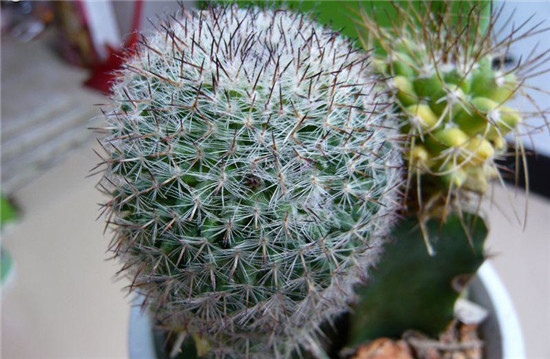
3. The plant needs to endure cold, drought or dormancy conditions before it will bloom; if it is kept too vigorous, it becomes difficult for it to bloom. This category includes: white sandal, Jolly ball, and so on. When cultivating this type of plant, attention should be paid to creating the conditions, and attention should be paid to temperature, water, fertilizing and other aspects, otherwise it is unfavorable for blooming.
4. Among cactus balls, those that develop buds from new areoles at the top are very likely to develop buds and bloom during the growing season, while balls that develop buds from the sides require certain conditions to do so.
The above is the full content I have summarized for everyone on whether cactus balls bloom. I hope this article can help everyone. Please also continue to follow us.